Have you ever looked at your zucchini plant, overflowing with summer squash, and wondered if you could use more than just the fruit? You might be surprised to learn that there's a lesser-known edible part: the stalk! Yes, that sturdy stem supporting your prolific zucchini can be a delicious addition to your kitchen creations, reducing waste and adding a unique flavor to your meals. Exploring the Edibility of Zucchini Plant Stalk Many gardeners are familiar with the delight of harvesting fresh zucchini, but few consider the potential of the zucchini plant stalk. Understanding the nutritional value, preparation techniques, and safety considerations surrounding zucchini stalks can unlock a whole new culinary dimension for your garden bounty. So, is the zucchini stalk edible? The short answer is yes, but with a few important caveats. We need to consider the age of the plant and potential bitterness. Mature zucchini stalks, especially those from older plants,...
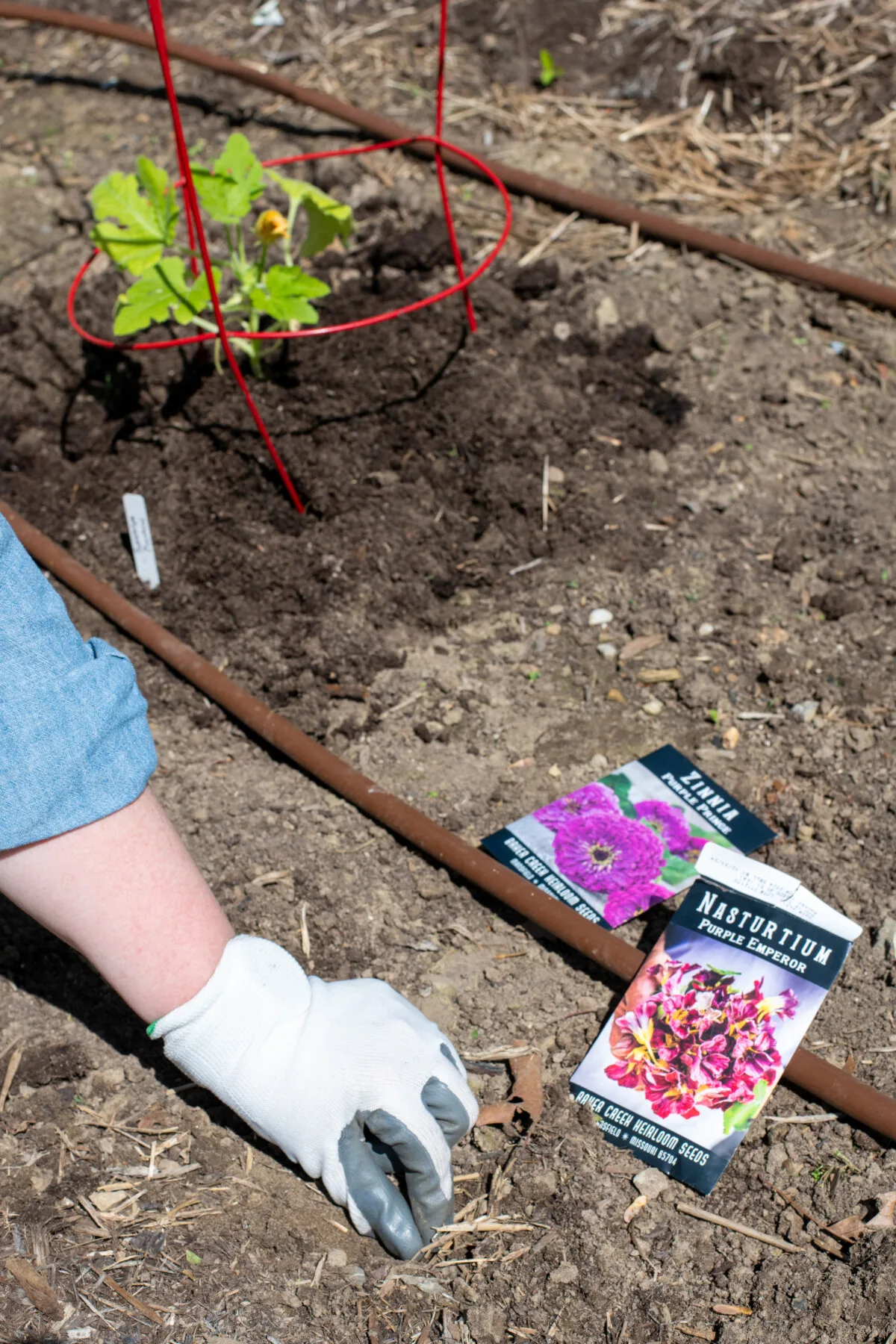
Ever strolled through your garden, admiring your thriving zucchini plants, and wondered how to make them even happier? The secret lies in companion planting – the art of pairing plants that boost each other's growth. Zucchini, with its sprawling leaves and prolific fruit, can be a bit of a diva, but with the right companions, it can truly shine.
Companion Planting 101: Boosting Your Zucchini Harvest
Companion planting isn't just a whimsical gardening fad; it's a time-tested technique rooted in understanding how different plants interact. Some plants attract beneficial insects, others deter pests, and some even enrich the soil. By strategically planting certain species together, you can create a miniature ecosystem that promotes healthy growth and abundant yields. When considering what to plant next to zucchini, think about what challenges your zucchini faces, such as pest pressure or nutrient deficiencies.
Understanding Zucchini's Needs and Challenges
Zucchini, a member of the squash family, is a relatively heavy feeder, meaning it requires a good amount of nutrients, especially nitrogen, phosphorus, and potassium. It's also susceptible to certain pests and diseases, including squash bugs, squash vine borers, powdery mildew, and aphids. When considering what are good companion plants for zucchini, you should consider these facts.
Also Zucchini plants need plenty of sunlight and well-drained soil to thrive. They can also be quite space-hungry, so you'll want to choose companions that won't be overshadowed or compete too aggressively for resources. Knowing this helps guide your companion planting choices, allowing you to maximize the benefits for your zucchini.
The Best Companions for Zucchini: A Winning Team
So, what makes a good companion for zucchini? Several plant species offer unique benefits. Here's a breakdown of some of the top choices:
- Legumes (Beans, Peas): These nitrogen-fixing powerhouses enrich the soil around your zucchini plants, providing them with a much-needed nutrient boost. Bush beans are a great option, as they don't climb and won't compete for sunlight.
- Nasturtiums: These cheerful flowers act as trap crops, attracting aphids and squash bugs away from your zucchini. They also deter squash vine borers and add a splash of color to your garden.
- Marigolds: Similar to nasturtiums, marigolds repel many common pests, including nematodes, squash bugs, and whiteflies. Their strong scent acts as a natural deterrent.
- Garlic and Onions: These pungent plants deter squash vine borers and other pests. Plant them around the base of your zucchini to create a protective barrier.
- Radishes: These fast-growing root vegetables help break up the soil and deter flea beetles, which can damage zucchini leaves. They also act as a ground cover, suppressing weeds.
- Oregano: This herb repels a variety of pests, including cabbage moths, squash bugs, and aphids. It also attracts beneficial insects like ladybugs and lacewings.
- Borage: Known for attracting pollinators, especially bees, borage helps ensure that your zucchini flowers are properly pollinated, leading to a higher yield of fruit. It also deters tomato hornworms, a common garden pest.
You might consider trying your hand at different types of squash to add variety and intrigue to your garden. You can find a great selection, like this Mix 50 Zucchini and Squash Mix Seeds, featuring 12 exciting Non-GMO varieties, all deliciously grown in the USA. Check it out here: https://amzn.to/4j Gx DDx.
Avoiding the Wrong Company: Plants to Keep Away from Zucchini
Just as some plants benefit zucchini, others can hinder its growth or attract pests. It's important to be aware of these incompatible companions and avoid planting them near your zucchini:
- Potatoes: Potatoes compete with zucchini for nutrients and can also attract pests like potato beetles, which can then spread to your zucchini plants.
- Fennel: Fennel inhibits the growth of many plants, including zucchini. It can also attract aphids and other pests.
- Cruciferous Vegetables (Cabbage, Broccoli, Cauliflower): These plants require similar nutrients as zucchini and can compete for resources. They also attract cabbage moths, which can damage zucchini leaves.
By understanding these negative interactions, you can prevent potential problems and ensure that your zucchini plants thrive.
Companion Planting Strategies: Maximizing the Benefits
Once you've chosen your companion plants, it's time to develop a planting strategy. Here are some tips to help you maximize the benefits of companion planting:
- Consider Sunlight Requirements: Make sure that your companion plants don't overshadow your zucchini plants. Zucchini needs at least 6-8 hours of sunlight per day to thrive. Choose companions that are shorter or can tolerate partial shade.
- Space Appropriately: Zucchini plants can be quite large, so give them enough space to spread out. Plant companion plants around the perimeter of your zucchini plants, leaving enough room for air circulation.
- Succession Planting: Plant fast-growing companions like radishes between your zucchini plants early in the season. They'll be harvested before the zucchini plants get too large, providing a temporary ground cover and pest deterrent.
- Rotate Crops: Avoid planting zucchini in the same location year after year. Crop rotation helps prevent the buildup of soilborne diseases and pests. Plant a nitrogen-fixing cover crop like clover or beans in the area where you grew zucchini the previous year.
Remember that every garden is unique, and what works well in one location may not work as well in another. Experiment with different companion planting combinations to find what works best for your soil, climate, and growing conditions. Keep a garden journal to track your results and learn from your experiences.
Case Study: Companion Planting Success
A study conducted by the National Gardening Association showed that gardeners who utilized companion planting techniques reported a 20-30% increase in zucchini yields compared to those who did not. Gardeners who planted marigolds and nasturtiums alongside their zucchini plants experienced a significant reduction in squash bug infestations. This case study highlights the effectiveness of companion planting in boosting zucchini production and reducing pest pressure.
Troubleshooting Common Zucchini Problems with Companion Plants
Companion planting can also help you address common problems that arise during the zucchini growing season. If your zucchini plants are struggling with powdery mildew, for example, planting garlic or onions nearby can help improve air circulation and reduce humidity, creating an environment less favorable for the fungus. If squash bugs are a constant nuisance, consider planting a trap crop like nasturtiums to lure them away from your zucchini. By observing your plants closely and understanding their needs, you can use companion planting to proactively address potential problems.
The Long-Term Benefits of Companion Planting
Companion planting is a sustainable gardening practice that offers numerous long-term benefits. By creating a diverse and balanced ecosystem in your garden, you can reduce your reliance on synthetic fertilizers and pesticides, improve soil health, and increase biodiversity. Companion planting also encourages beneficial insects and pollinators, which are essential for a healthy and productive garden. So, by implementing companion planting strategies, you are not only helping your zucchini plants thrive but also creating a more resilient and sustainable garden for years to come. Ultimately, choosing what to plant next to zucchini is an investment in the long-term health and productivity of your entire garden.