Have you ever looked at your zucchini plant, overflowing with summer squash, and wondered if you could use more than just the fruit? You might be surprised to learn that there's a lesser-known edible part: the stalk! Yes, that sturdy stem supporting your prolific zucchini can be a delicious addition to your kitchen creations, reducing waste and adding a unique flavor to your meals. Exploring the Edibility of Zucchini Plant Stalk Many gardeners are familiar with the delight of harvesting fresh zucchini, but few consider the potential of the zucchini plant stalk. Understanding the nutritional value, preparation techniques, and safety considerations surrounding zucchini stalks can unlock a whole new culinary dimension for your garden bounty. So, is the zucchini stalk edible? The short answer is yes, but with a few important caveats. We need to consider the age of the plant and potential bitterness. Mature zucchini stalks, especially those from older plants,...
So, you're dreaming of zucchini overflowing from your garden, ready to be transformed into zucchini bread, fritters, and more? Excellent! But before you start planting, hold on a second. Companion planting can be a game-changer, but choosing thewrongcompanions can actually sabotage your zucchini dreams. Let's dive into what you need to know to avoid these common zucchini garden pitfalls.
Steer Clear: Bad Companion Plants For Zucchini
Companion planting, when done right, can deter pests, attract pollinators, improve soil health, and even enhance the flavor of your crops. But just like in life, some pairings are better than others. When it comes to zucchini, certain plants can hinder its growth, compete for resources, or attract the very pests you're trying to avoid. Understanding which plants arebad companion plants for zucchiniis crucial for a successful harvest.
Why Companion Planting Matters for Zucchini
Zucchini, a member of the squash family, is a relatively easy-to-grow vegetable that can be quite prolific, providing an abundant harvest if given the right conditions. However, it's also susceptible to a range of pests and diseases. A well-thought-out companion planting strategy can mitigate these issues, providing a natural form of pest control, nutrient management, and even shading during hot summer months. When we talk aboutbad companions for zucchini, it's often because they negatively impact one or more of these beneficial aspects.
The Benefits of Good Zucchini Companions
- Pest Control: Certain plants repel common zucchini pests like squash bugs, vine borers, and aphids.
- Pollinator Attraction: Flowering companions attract bees and other pollinators, essential for zucchini fruit production.
- Soil Improvement: Some plants fix nitrogen in the soil, benefiting zucchini growth. Others can break up compacted soil.
- Weed Suppression: Ground cover companions can help suppress weeds, reducing competition for resources.
The No-Nos: Plants That Hinder Zucchini Growth
So, what plants should you avoid planting near your zucchini? Let's explore some of the biggest offenders and why they're consideredbad companion plants for zucchini*:
Fennel: A Zucchini Garden Enemy
Fennel is a beautiful and aromatic herb, but it's notoriously allelopathic, meaning it inhibits the growth of many plants around it. It secretes compounds into the soil that can stunt the growth of zucchini and other vegetables. Avoid planting fennel anywhere near your zucchini patch. It's one of the most commonbad companion plants for zucchiniand is often an oversight of novice gardeners.
Brassicas: Competition for Resources
The Brassica family, which includes broccoli, cabbage, cauliflower, and kale, are heavy feeders. They require a lot of the same nutrients as zucchini, leading to intense competition in the soil. This competition can result in smaller zucchini fruits and overall reduced yields. While not always detrimental, carefully consider your soil fertility if planting brassicas near zucchini. A healthy soil management system can help mitigate the competition.
Specific Brassica Concerns:
- Cabbage: Attracts cabbage moths, which can also damage zucchini leaves.
- Broccoli and Cauliflower: Heavy feeders, depleting soil nutrients needed by zucchini.
- Kale: While nutritious for you, it competes strongly for sunlight and nutrients.
Potatoes: Root Competition
Potatoes are another heavy feeder and have extensive root systems. When planted near zucchini, they compete for both nutrients and water, potentially stunting the growth of your zucchini plants. This root competition is a significant reason why potatoes are considered one of thebad companions for zucchini. Furthermore, potatoes can attract certain pests that might then move on to your zucchini. Crop rotation helps prevent build-up of pests and diseases.
Black Walnut Trees: Allelopathic Juglone
While not a plant you'd directly plantwithzucchini, it's essential to be aware of the impact of black walnut trees. Black walnut trees produce a chemical called juglone, which is toxic to many plants, including zucchini and other members of the squash family. If you have a black walnut tree on your property, avoid planting zucchini within its root zone. The effects of juglone can be devastating, leading to stunted growth, yellowing leaves, and even plant death.
Case Study: A home gardener in Ohio planted zucchini near the drip line of a mature black walnut tree. Despite adequate watering and fertilization, the zucchini plants struggled to thrive, exhibiting stunted growth and poor fruit production. Soil testing revealed high levels of juglone in the soil. This example highlights the importance of considering the presence of black walnut trees when planning your zucchini garden.
Other Potentially Problematic Plants
While the above are some of the most commonbad companion plants for zucchini, other plants might present challenges depending on your specific garden conditions:
- Sunflowers: While beneficial for attracting pollinators, sunflowers can grow very tall and shade zucchini plants, reducing sunlight exposure. Consider planting them on the north side of your zucchini patch.
- Mint: Mint is an aggressive spreader and can quickly take over a garden, competing with zucchini for resources. Keep it contained in pots.
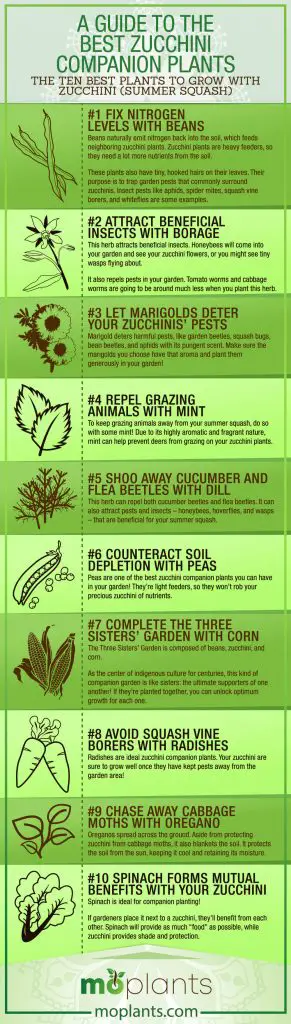
What To PlantWith Zucchini: Good Companions
Now that you know what to avoid, let's focus on the positive! There are many excellent companion plants for zucchini that can help it thrive. These plants can offer pest control, attract pollinators, improve soil health, or provide shade.
Good Companions for Zucchini Include:
- Marigolds: Repel nematodes and other harmful pests.
- Nasturtiums: Attract aphids away from zucchini and are edible!
- Borage: Attracts pollinators and beneficial insects.
- Garlic: Repels squash vine borers.
- Onions: Also help repel squash vine borers and other pests.
- Beans: Fix nitrogen in the soil, benefiting zucchini growth.
- Radishes: Act as a trap crop for flea beetles.
- Chamomile: Attracts beneficial insects and can improve plant health.
Planning Your Zucchini Garden
Careful planning is key to successful companion planting. Consider the mature size of each plant, its sunlight and water requirements, and its potential impact on neighboring plants. A well-designed garden will not only look beautiful but also create a healthy and productive environment for your zucchini.
Tips for Successful Zucchini Companion Planting:
- Observe Your Garden: Pay attention to which plants thrive and which struggle in your garden. This information can help you make informed decisions about companion planting.
- Rotate Crops: Rotating your crops each year can help prevent the build-up of pests and diseases in the soil.
- Amend Your Soil: Healthy soil is essential for healthy plants. Amend your soil with compost or other organic matter to improve its fertility and drainage.
- Water Wisely: Zucchini needs consistent moisture, especially during fruit development. Water deeply and regularly, but avoid overwatering, which can lead to root rot.
Avoiding Bad Companion Plants For Zucchini Summary
Understandingbad companion plants for zucchinican make or break your garden success. By avoiding plants like fennel, brassicas, potatoes, and being mindful of black walnut trees, you'll create a healthier, more productive environment for your zucchini to flourish. Pair your zucchini with beneficial companions like marigolds, nasturtiums, and borage to further enhance its growth and yields. With a little planning and knowledge, you'll be well on your way to a bountiful zucchini harvest!