Have you ever looked at your zucchini plant, overflowing with summer squash, and wondered if you could use more than just the fruit? You might be surprised to learn that there's a lesser-known edible part: the stalk! Yes, that sturdy stem supporting your prolific zucchini can be a delicious addition to your kitchen creations, reducing waste and adding a unique flavor to your meals. Exploring the Edibility of Zucchini Plant Stalk Many gardeners are familiar with the delight of harvesting fresh zucchini, but few consider the potential of the zucchini plant stalk. Understanding the nutritional value, preparation techniques, and safety considerations surrounding zucchini stalks can unlock a whole new culinary dimension for your garden bounty. So, is the zucchini stalk edible? The short answer is yes, but with a few important caveats. We need to consider the age of the plant and potential bitterness. Mature zucchini stalks, especially those from older plants,...
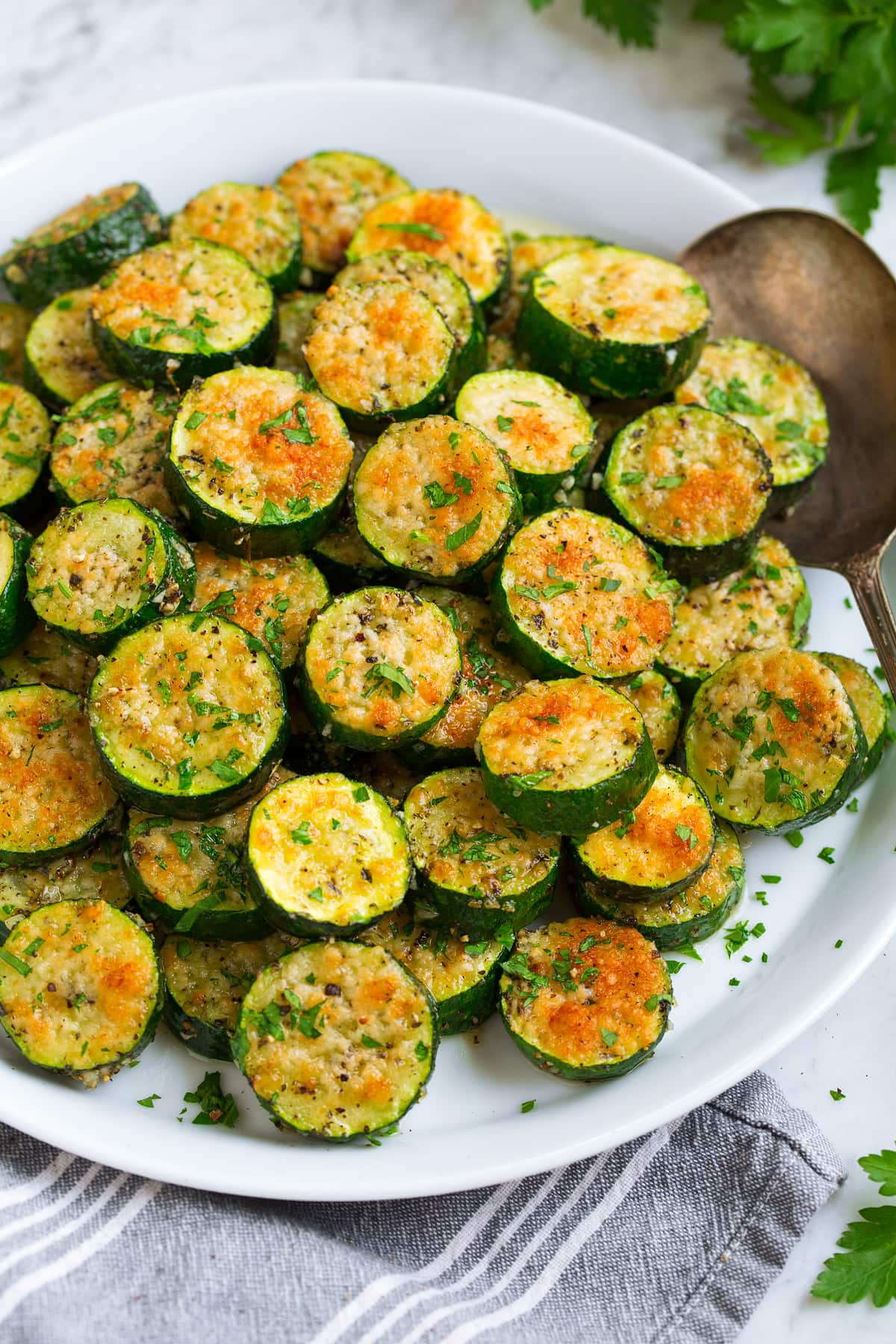
Have you ever looked at your zucchini plant, overflowing with summer squash, and wondered if you could use more than just the fruit? You might be surprised to learn that there's a lesser-known edible part: the stalk! Yes, that sturdy stem supporting your prolific zucchini can be a delicious addition to your kitchen creations, reducing waste and adding a unique flavor to your meals.
Exploring the Edibility of Zucchini Plant Stalk
Many gardeners are familiar with the delight of harvesting fresh zucchini, but few consider the potential of the zucchini plant stalk. Understanding the nutritional value, preparation techniques, and safety considerations surrounding zucchini stalks can unlock a whole new culinary dimension for your garden bounty. So, is the zucchini stalk edible? The short answer is yes, but with a few important caveats. We need to consider the age of the plant and potential bitterness. Mature zucchini stalks, especially those from older plants, tend to be quite tough and fibrous, making them less palatable. They can also develop a bitter taste due to compounds called cucurbitacins. However, young, tender zucchini plant stalks can be quite delicious, offering a mild, slightly grassy flavor.
Zucchini Stalk: Understanding When to Harvest and the Best Ways to Prepare it
Harvesting the zucchini stalk at the right time is key to ensuring a tender and flavorful experience. Here's what to look for:
- Young Plants: The best time to harvest the zucchini plant stalk is from younger plants or when the stalk is still relatively thin and green. Older, thicker stalks are more likely to be tough and bitter.
- Timing: Consider harvesting stalks when you are thinning your zucchini plants. This can give you some extra produce in the kitchen.
- Appearance: The stalk should be firm but not woody. Avoid stalks that are discolored, damaged, or show signs of disease.
Preparation Methods for Zucchini Plant Stalk
Proper preparation can significantly improve the texture and flavor of your zucchini stalk. Here's how to get it right:
- Peeling: Use a vegetable peeler to remove the tough outer layer of the stalk. This is particularly important for older stalks, as the outer skin can be quite fibrous.
- Chopping: Chop the peeled stalk into smaller pieces, such as slices or cubes, depending on your recipe.
- Cooking: Zucchini stalks can be cooked in various ways, including:
- Sautéing: Sauté chopped zucchini stalk in olive oil with garlic and other vegetables for a quick and easy side dish.
- Steaming: Steaming the stalk will help retain its nutrients and keep it tender.
- Adding to Soups and Stews: Zucchini stalk can be added to soups and stews for extra flavor and texture.
- Pickling: Younger zucchini stalks can be pickled.
- Taste Test: Before adding a large amount of zucchini stalk to your dish, taste a small piece to check for bitterness. If it's bitter, you may need to blanch it in boiling water for a few minutes before using it.
Nutritional Benefits of Eating Zucchini Stalks
While not as extensively studied as the zucchini fruit itself, the zucchini stalk offers a range of nutritional benefits. Like other parts of the zucchini plant, the stalk is a good source of:
- Fiber: Aids digestion and promotes gut health.
- Vitamins: Contains vitamins A and C, which are important for immune function and overall health.
- Minerals: Provides potassium, which helps regulate blood pressure, and manganese, which is involved in bone health and metabolism.
- Antioxidants: Contains antioxidants that protect the body against cell damage.
Incorporating zucchini stalk into your diet can contribute to a well-rounded nutritional intake, especially if you're already enjoying the zucchini fruit and flowers.
Safety Considerations When Consuming Zucchini Plant Stalk
While zucchini stalk is generally safe to eat, there are a few important safety considerations to keep in mind:
- Cucurbitacins: As mentioned earlier, zucchini and other members of the cucurbit family can contain cucurbitacins, bitter compounds that can cause stomach upset. While commercially grown zucchini are bred to have low levels of these compounds, it's still possible for them to develop, especially under stress. Always taste a small piece of the zucchini stalk before using it in a large quantity. If it tastes bitter, discard it.
- Pesticides: If you're not growing your own zucchini, make sure to wash the stalk thoroughly to remove any pesticides or other contaminants. Opt for organic zucchini whenever possible.
- Allergies: While rare, some people may be allergic to zucchini or other members of the cucurbit family. If you experience any allergic symptoms after consuming zucchini stalk, such as itching, hives, or swelling, discontinue use and consult a doctor.
Zucchini Stalk and Bitterness: What You Should Know
Bitterness in zucchini and other cucurbits is primarily caused by cucurbitacins, which are naturally occurring compounds that act as a defense mechanism against pests. While commercial zucchini varieties are bred to be low in cucurbitacins, several factors can cause them to accumulate in the plant, including:
- Stress: Environmental stressors such as drought, extreme temperatures, or nutrient deficiencies can trigger the production of cucurbitacins.
- Cross-Pollination: Cross-pollination with wild or ornamental cucurbits can also increase the levels of cucurbitacins in zucchini.
- Seed Saving: Saving seeds from zucchini plants that have developed bitterness can lead to future generations of plants with higher levels of cucurbitacins.
To minimize the risk of bitterness in your zucchini stalk, provide your plants with optimal growing conditions, avoid saving seeds from bitter plants, and always taste the stalk before cooking it. If you notice that your zucchini plant is consistently producing bitter fruit or stalks, it's best to discard the plant and start with new seeds from a reputable source.
To help you manage your zucchini plants and make sure you have healthy stalks to try, consider using high-quality gardening tools. The sharp blades ofFiskars Bypass Pruning Shears available on Amazon, with a 5/8-Inch Cut Capacity https://amzn.to/4i LKbs8, will make it easy to trim your plants and harvest your produce efficiently.
Incorporating Zucchini Stalk into Your Culinary Repertoire
Once you're confident in your ability to identify and prepare zucchini stalk safely, you can start experimenting with different ways to incorporate it into your culinary creations. Here are a few ideas to get you started:
- Zucchini Stalk Fritters: Grate the peeled zucchini stalk and mix it with flour, eggs, and seasonings to make fritters. Fry them until golden brown and serve with a dipping sauce.
- Zucchini Stalk Stir-Fry: Add chopped zucchini stalk to your favorite stir-fry recipe for extra crunch and flavor.
- Zucchini Stalk Pickle: Pickle young, tender zucchini stalks with vinegar, sugar, and spices for a tangy and refreshing condiment.
- Zucchini Stalk Puree: Cook zucchini stalk until soft and then puree it with other vegetables to create a smooth and creamy soup.
Don't be afraid to get creative and experiment with different flavors and techniques. With a little imagination, you can transform zucchini stalk into a delicious and sustainable addition to your meals.
By understanding the nuances of zucchini stalk edibility, you can minimize waste, maximize your garden's bounty, and add a unique touch to your culinary creations. So, the next time you harvest a zucchini, remember to consider the potential of the often-overlooked stalk. You might just discover a new favorite ingredient!