Have you ever looked at your zucchini plant, overflowing with summer squash, and wondered if you could use more than just the fruit? You might be surprised to learn that there's a lesser-known edible part: the stalk! Yes, that sturdy stem supporting your prolific zucchini can be a delicious addition to your kitchen creations, reducing waste and adding a unique flavor to your meals. Exploring the Edibility of Zucchini Plant Stalk Many gardeners are familiar with the delight of harvesting fresh zucchini, but few consider the potential of the zucchini plant stalk. Understanding the nutritional value, preparation techniques, and safety considerations surrounding zucchini stalks can unlock a whole new culinary dimension for your garden bounty. So, is the zucchini stalk edible? The short answer is yes, but with a few important caveats. We need to consider the age of the plant and potential bitterness. Mature zucchini stalks, especially those from older plants,...
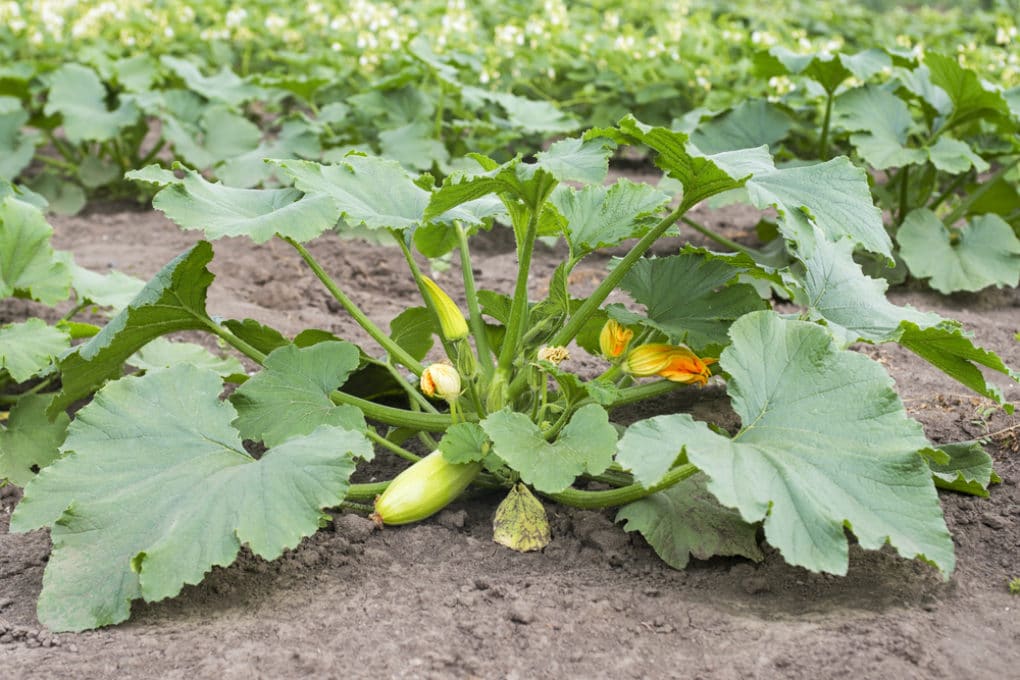
Have you ever grown zucchini only to watch its sprawling vines take over your entire garden? Or perhaps the heavy fruits are weighing down the plant, threatening to break its stems? Don't worry; you're not alone! Providing adequatesupport for your zucchini plants is crucial for a healthy harvest and a manageable garden. Let's explore various methods to help your zucchini thrive!
Why Zucchini Plants Need Support
Zucchini plants, while prolific producers, can be quite demanding. They grow rapidly and produce large, heavy fruits. Without properzucchini plant support, you might encounter several problems:
Broken Stems: The weight of the zucchini can easily snap the stems, especially after rain when the fruits are even heavier. Rotting Fruits: Zucchinis lying directly on the soil are susceptible to rot and pest infestations. Disease Spread: Sprawling vines can create a dense canopy, reducing air circulation and increasing the risk of fungal diseases like powdery mildew. Space Issues: Zucchini plants can become quite large, taking up a significant amount of garden space if left unmanaged. Difficult Harvesting:Finding and harvesting zucchini can become challenging when the plant is sprawling everywhere.
Providing propersupport structures for zucchini plants can alleviate these problems and lead to a healthier, more productive plant.
Methods of Providing Support for Zucchini Plants
There are several effective ways to providezucchini support. The best method will depend on the variety of zucchini you are growing, the size of your garden, and your personal preferences.
Staking Zucchini Plants
Staking is a simple and effective method, especially for bush varieties of zucchini. Here's how to stake your zucchini plants:
Choose a sturdy stake: Use a wooden or metal stake that is at least 3-4 feet tall. Insert the stake: Drive the stake into the ground near the base of the plant, being careful not to damage the roots. Tie the plant to the stake:Use soft twine or plant ties to gently secure the main stem to the stake. Don't tie too tightly, as this can restrict growth. As the plant grows, add more ties to support it.
Staking is particularly beneficial for smaller gardens where space is limited. It keeps the plant upright, improving air circulation and making it easier to harvest the fruits. It can be helpful to use a good pair ofgarden clippers with a sharp, rust-resistant steel blade, such as the Fiskars Bypass Pruning Shears, to keep the plant well-maintained and avoid damaging the main stem when removing leaves or overly large zucchinis. Find these versatile gardening scissorshere:https://amzn.to/4i LKbs8.
Using Cages for Zucchini Support
Cages, similar to those used for tomatoes, can provide excellentsupport for zucchini plants. They offer more comprehensive support than staking, especially for larger bush varieties.
Choose a sturdy cage:Select a cage that is tall and wide enough to accommodate the mature size of the zucchini plant. Tomato cages are a good option. Place the cage over the plant: Install the cage when the plant is young, allowing it to grow within the cage. Monitor and adjust:As the plant grows, ensure that the stems and fruits are adequately supported by the cage.
Cages are easy to install and require minimal maintenance. They provide consistent support throughout the growing season, preventing the plant from sprawling and protecting the fruits from coming into contact with the soil.
Trellising Zucchini Plants
Trellising is an excellent option for vining varieties of zucchini or for gardeners who want to maximize space. Trellises provide a vertical structure for the plant to climb, keeping it off the ground and promoting air circulation.
Choose a suitable trellis: Select a trellis that is strong enough to support the weight of the mature plant and its fruits. A sturdy fence, A-frame trellis, or even a cattle panel can be used. Train the vines: As the plant grows, gently train the vines to climb the trellis. You may need to use plant ties to secure the vines to the trellis initially. Provide additional support:For heavy fruits, you may need to provide additional support by tying them to the trellis with soft cloth or netting.
Trellising can significantly reduce the footprint of your zucchini plants, making it an ideal option for smaller gardens or raised beds. It also improves air circulation and makes harvesting easier.
Fact: Vining zucchini varieties can climb up to 6-8 feet tall when trellised.
Case Study: A gardener in Oregon successfully trellised their zucchini plants using a cattle panel. They reported a significant increase in yield and a reduction in disease incidence compared to growing zucchini on the ground.
Using Tripods for Zucchini Plants
Similar to trellises, tripods offer verticalzucchini support using three poles angled towards each other at the top and secured together. Tripods can be more visually appealing while still providing the same benefits as a trellis.
Build a tripod: Connect three poles of equal length, angled towards each other, at the top and secure them. Bamboo or wood work well. Guide vines: As with a trellis, you will need to guide the vines up the tripod. Reinforce support:Check to make sure the support is strong enough to hold the weight of the plants and fruit as they grow.
This method is best with vining zucchini varieties and allows for efficient use of space while keeping the fruit off the ground.
Tips for Choosing the Right Zucchini Support Method
Consider these factors when selecting the bestmethod of zucchini support for your garden:
Zucchini Variety: Bush varieties are well-suited for staking or cages, while vining varieties are best suited for trellising or tripods. Garden Space: If you have limited space, trellising or staking can help you maximize your growing area. Budget: Stakes and cages are generally more affordable than trellises. Aesthetics: Choose a support method that you find visually appealing and that complements your garden design.
No matter whichzucchini plant support system you choose, make sure to monitor your plants regularly and adjust the support as needed. With proper support, you can enjoy a bountiful harvest of delicious zucchini all season long!
Additional Tips for Healthy Zucchini Plants
Beyondsupport for zucchini, these practices further encourage strong, healthy growth:
Watering: Water deeply and regularly, especially during dry periods. Avoid overhead watering, as this can promote fungal diseases. Fertilizing: Fertilize your zucchini plants regularly with a balanced fertilizer. Pest Control: Monitor your plants for pests like squash bugs and squash vine borers and take action to control them. Harvesting:Harvest zucchini when they are young and tender, usually when they are about 6-8 inches long. Regular harvesting encourages continued production.By providing your zucchini plants with the right support and care, you can enjoy a plentiful and delicious harvest all season long.