Have you ever looked at your zucchini plant, overflowing with summer squash, and wondered if you could use more than just the fruit? You might be surprised to learn that there's a lesser-known edible part: the stalk! Yes, that sturdy stem supporting your prolific zucchini can be a delicious addition to your kitchen creations, reducing waste and adding a unique flavor to your meals. Exploring the Edibility of Zucchini Plant Stalk Many gardeners are familiar with the delight of harvesting fresh zucchini, but few consider the potential of the zucchini plant stalk. Understanding the nutritional value, preparation techniques, and safety considerations surrounding zucchini stalks can unlock a whole new culinary dimension for your garden bounty. So, is the zucchini stalk edible? The short answer is yes, but with a few important caveats. We need to consider the age of the plant and potential bitterness. Mature zucchini stalks, especially those from older plants,...
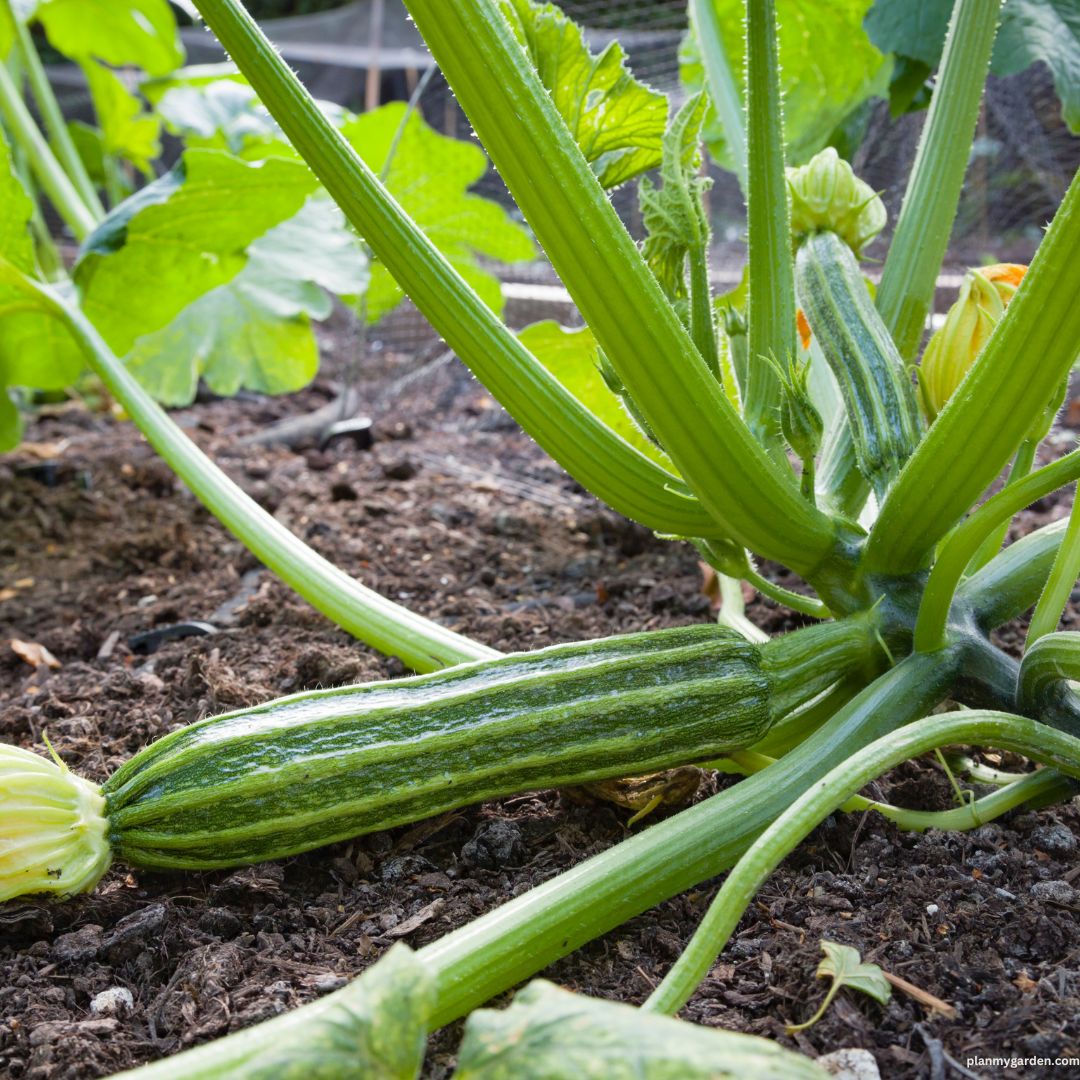
Zucchini, that prolific summer squash, seems simple enough on the surface. But delve a little deeper, and you'll discover a surprising world of zucchini varieties, each with its unique shape, size, color, and flavor profile. Whether you're a seasoned gardener or just starting, understanding the different types of zucchini plants can help you choose the perfect ones for your garden and your plate.
Exploring the World of Zucchini Plants
Zucchini, scientifically known as Cucurbita pepo, belongs to the squash family. While often treated as a vegetable in culinary contexts, botanically, it's a fruit! What many people don't realize is that within this single species lies a fascinating array of cultivars, each boasting distinctive characteristics. Choosing the right zucchini plant variety can make all the difference in your garden's success and your culinary enjoyment.
Popular Types of Zucchini Plants
The zucchini world is filled with different types, from the classic green cylinders to golden globes and striped beauties. Let's take a look at some of the most popular and widely grown varieties:
Classic Green Zucchini Types
These are your quintessential zucchini, the ones you're most likely to find in grocery stores and farmers' markets. They are reliable producers and offer a mild, versatile flavor.
- Black Beauty: A dark green, almost black zucchini, known for its smooth skin and excellent productivity. It's a standard choice for many gardeners.
- Dark Green: As the name suggests, this is a dark green zucchini variety. One of the best all around zucchinis.
- Classic Zucchini: It is a typical zucchini with a long shape, dark green color, and smooth skin.
- Spineless Beauty: This variety offers the same great taste and productivity as Black Beauty, but with fewer spines on the stems, making harvesting a bit easier.
- Raven: Similar to Black Beauty but with a slightly glossier skin and a more compact growth habit, making it suitable for smaller gardens.
Yellow and Golden Zucchini Varieties
Adding a splash of sunshine to your garden and your plate, yellow zucchini varieties offer a slightly sweeter and more delicate flavor than their green counterparts.
- Golden Zucchini: A bright yellow zucchini with a smooth skin and a mild, buttery flavor. It's a favorite for grilling and sautéing.
- Gold Rush: This hybrid variety is known for its disease resistance and high yields. Its golden skin adds a vibrant touch to any dish.
- Sunglo: A smaller, more compact golden zucchini, perfect for container gardening. It matures quickly and produces a steady stream of fruits.
Round and Unique Zucchini Types
For a touch of whimsy and visual appeal, consider growing round or unusually shaped zucchini varieties. These are great for stuffing or simply adding a unique twist to your meals.
- Eight Ball: A perfectly round, dark green zucchini, ideal for stuffing. Its compact size makes it a good choice for smaller gardens.
- Costata Romanesco: An Italian heirloom zucchini with distinctive ridges and a nutty, slightly sweet flavor. Its unique appearance makes it a standout in the garden and on the plate.
- Tondo di Nizza: Another round Italian zucchini, slightly smaller than Eight Ball. It's prized for its tender flesh and delicate flavor.
- Lemon Zucchini: While the name might suggest a citrusy flavor, this zucchini gets its name from its pale yellow color and oval shape, resembling a lemon. It has a mild, slightly sweet taste.
Heirloom Zucchini Plants
Heirloom zucchini varieties are open-pollinated, meaning you can save their seeds and grow them again year after year, knowing they'll stay true to type. They often boast unique flavors and characteristics that have been passed down through generations.
- Cocozelle: An Italian heirloom zucchini with dark green skin and light green stripes. Its firm flesh and nutty flavor make it a favorite for grilling and roasting.
- Genovese: Another Italian heirloom, this zucchini is known for its exceptional flavor and tender texture. It's a good choice for eating raw or lightly cooked.
- Black Beauty: While often considered a standard variety, Black Beauty has been around for many years and is sometimes classified as an heirloom.
Factors to Consider When Choosing Zucchini Plants
Selecting the right type of zucchini plant depends on several factors, including your growing conditions, space constraints, and culinary preferences.
Growing Conditions
Consider your climate, soil type, and sunlight availability when choosing zucchini varieties. Some varieties are more heat-tolerant, while others thrive in cooler climates. Make sure your soil is well-drained and rich in organic matter. Zucchini plants generally need at least 6-8 hours of sunlight per day.
Space Constraints
Zucchini plants can be quite sprawling, so if you have limited space, opt for bush-type varieties or those specifically bred for containers. Compact varieties like 'Sunglo' or 'Raven' are good choices for small gardens or patios.
Culinary Preferences
Think about how you plan to use your zucchini. If you're looking for stuffing zucchini, choose round varieties like 'Eight Ball' or 'Tondo di Nizza'. For grilling and roasting, consider 'Cocozelle' or 'Golden Zucchini'. If you enjoy eating zucchini raw in salads, opt for tender varieties like 'Genovese'.
Tips for Growing Healthy Zucchini Plants
To ensure a bountiful harvest, follow these tips for growing healthy zucchini plants:
- Provide ample sunlight: Zucchini plants need at least 6-8 hours of direct sunlight per day.
- Water regularly: Keep the soil consistently moist, especially during hot, dry weather. Water at the base of the plant to avoid wetting the leaves, which can lead to fungal diseases.
- Fertilize properly: Use a balanced fertilizer or compost to provide essential nutrients.
- Control pests and diseases: Monitor your plants regularly for signs of pests or diseases. Common zucchini pests include squash bugs, squash vine borers, and aphids. Fungal diseases like powdery mildew can also be a problem. Use appropriate organic pest control methods and fungicides if necessary.
- Harvest frequently: Zucchini plants are prolific producers, so harvest your zucchini regularly to encourage continued fruit production. The ideal size for harvesting is typically when the zucchini is 6-8 inches long.
Zucchini Plant Diseases and Pests
Zucchini plants, like any garden crop, are vulnerable to certain diseases and pests. Being aware of these potential problems allows for early detection and intervention, promoting healthier plants and a more abundant yield. Here are some common issues:
- Powdery Mildew: This fungal disease appears as a white, powdery coating on the leaves. It thrives in humid conditions and can weaken the plant. Improve air circulation, water at the base of the plant, and use organic fungicides if necessary.
- Squash Bugs: These sap-sucking insects can cause significant damage to zucchini plants. They lay their eggs on the underside of leaves. Regularly inspect your plants and handpick the bugs and eggs. Insecticidal soap can also be effective.
- Squash Vine Borers: These pests burrow into the stems of zucchini plants, causing them to wilt and die. Look for small holes near the base of the plant and remove any borers you find. Preventative measures include wrapping the stems with foil or netting.
- Aphids: These tiny insects suck the sap from leaves, causing them to curl and distort. A strong spray of water can often dislodge aphids. Introduce beneficial insects like ladybugs, which prey on aphids.
Knowing how to identify these diseases and pests, and having a strategy to control them, can make the difference between a struggling garden and a flourishing one.
The Nutritional Benefits of Zucchini
Beyond its versatility in the kitchen, zucchini is packed with nutrients that contribute to overall health. It's a low-calorie, low-carb food, making it a great addition to a healthy diet. Some of the key nutrients found in zucchini include:
- Vitamin C: An antioxidant that supports immune function.
- Vitamin B6: Important for energy production and brain health.
- Potassium: Helps regulate blood pressure.
- Fiber: Promotes healthy digestion and helps you feel full.
Zucchini is also a good source of antioxidants, which protect against cell damage. Whether you grill it, roast it, sauté it, or spiralize it into noodles, zucchini is a delicious and nutritious way to boost your health.
Creative Ways to Use Zucchini
Zucchini's mild flavor makes it incredibly versatile in the kitchen. Here are just a few ideas to get you started:
- Zucchini Noodles (Zoodles): Spiralize zucchini into noodles and use them as a low-carb alternative to pasta.
- Grilled Zucchini: Slice zucchini lengthwise, brush with olive oil, and grill until tender.
- Zucchini Bread: Shred zucchini and add it to sweet breads, muffins, or cakes for added moisture and nutrients.
- Stuffed Zucchini: Hollow out zucchini and fill it with a mixture of ground meat, rice, vegetables, and cheese.
- Zucchini Fritters: Grate zucchini, mix it with eggs, flour, and seasonings, and fry until golden brown.
- Zucchini Soup: Blend cooked zucchini with broth and seasonings for a creamy and comforting soup.
Don't forget the blossoms! Zucchini flowers are edible and can be stuffed, fried, or added to salads for a delicate, floral flavor.
If you're looking to expand your zucchini and squash horizons, consider trying a Mix of 50 Zucchini and Squash Seeds, featuring 12 different varieties of Non-GMO, delicious options, grown right here in the USA. This mix of seeds promises a super prolific harvest, with a variety of shapes and flavors to delight your palate. You can find this Zucchini and Squash Seed mix at Amazon
With so many different types of zucchini plants to choose from, you're sure to find the perfect varieties to suit your garden and your taste buds. Happy gardening!