Have you ever looked at your zucchini plant, overflowing with summer squash, and wondered if you could use more than just the fruit? You might be surprised to learn that there's a lesser-known edible part: the stalk! Yes, that sturdy stem supporting your prolific zucchini can be a delicious addition to your kitchen creations, reducing waste and adding a unique flavor to your meals. Exploring the Edibility of Zucchini Plant Stalk Many gardeners are familiar with the delight of harvesting fresh zucchini, but few consider the potential of the zucchini plant stalk. Understanding the nutritional value, preparation techniques, and safety considerations surrounding zucchini stalks can unlock a whole new culinary dimension for your garden bounty. So, is the zucchini stalk edible? The short answer is yes, but with a few important caveats. We need to consider the age of the plant and potential bitterness. Mature zucchini stalks, especially those from older plants,...
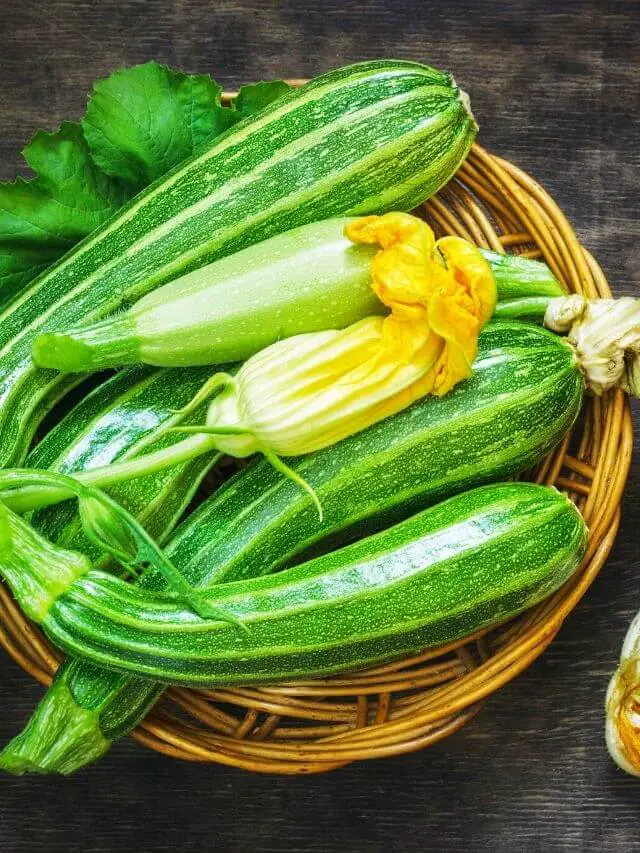
Ever feel like your zucchini plant is lagging behind its squash cousins? You're not alone! It's a common observation among gardeners, and understanding the reasons behind it can help you give your zucchini the boost it needs.
Why is My Zucchini Plant Growing More Slowly Than My Squash Plant?
The observation that a zucchini plant is growing more slowly than a squash plant is a frequent one, but it doesn't necessarily mean something is wrong. Several factors can contribute to this difference in growth rate. It's important to consider the specific varieties of zucchini and squash you're growing, as genetics play a significant role. Some squash varieties are simply more vigorous growers than some zucchini varieties. Additionally, environmental conditions, soil quality, and even the age of the seeds can all impact growth rates.
Specific Variety Differences in Growth Rate of Zucchini and Squash
Different varieties within both zucchini and squash families have vastly different growth habits. For example, a compact bush zucchini variety might appear to grow slower initially compared to a sprawling vining butternut squash. This is because the zucchini is focusing its energy on producing a more dense, compact plant, while the squash is sending out long vines. Similarly, some heirloom squash varieties are known for their rapid growth, while some newer zucchini cultivars might be bred for disease resistance rather than maximum speed. Always research the specific varieties you're planting to understand their expected growth patterns. Here's a table illustrating some common varieties and their typical growth habits:
| Vegetable | Variety | Growth Habit | Typical Growth Speed |
|---|---|---|---|
| Zucchini | Black Beauty | Bush | Moderate |
| Zucchini | Costata Romanesco | Bush | Moderate to Vigorous |
| Squash | Butternut | Vining | Vigorous |
| Squash | Yellow Crookneck | Bush | Vigorous |
| Squash | Acorn | Bush | Moderate |
Environmental Factors Affecting Zucchini and Squash Growth
Environmental factors play a crucial role in the growth of both zucchini and squash. Sunlight, temperature, and water availability are all key. Both plants thrive in full sun (at least 6-8 hours per day), but zucchini might be slightly more sensitive to temperature fluctuations, especially when young. Insufficient sunlight can significantly stunt growth in both plants. Similarly, inconsistent watering can stress the plants and slow down their development. Zucchini, with its higher water content, can be particularly susceptible to blossom end rot if watering is irregular. Ideal soil temperature for germination is around 70-85°F (21-29°C). If the soil is too cold, seeds may take longer to germinate, and seedlings may grow more slowly. Soil testing is always a good idea to determine the p H and nutrient content of your garden soil, which helps you choose the right amendments for optimal growth.
Here's a list of optimal conditions:
- Sunlight: 6-8 hours of direct sunlight daily
- Soil p H: 6.0-7.5
- Watering: Consistent and deep watering, avoiding overhead watering
- Temperature: Optimal growing temperature between 65-85°F (18-29°C)
Soil Quality and Nutrient Availability for Squash and Zucchini Plants
Soil quality and nutrient availability are fundamental to healthy plant growth. Both zucchini and squash are heavy feeders, meaning they require a good supply of nutrients, particularly nitrogen, phosphorus, and potassium. Nitrogen promotes leafy growth, phosphorus supports root development and flowering, and potassium contributes to overall plant health and fruit production. Poor soil quality, lacking in organic matter and essential nutrients, can severely limit growth. Conduct a soil test to determine if your soil is deficient in any key nutrients. Amend your soil with compost, well-rotted manure, or a balanced fertilizer before planting. Consider side-dressing your plants with fertilizer during the growing season to provide a continuous supply of nutrients.
Troubleshooting Slow Zucchini Plant Growth Compared to Squash
If you've considered the above factors and your zucchini is still significantly lagging behind your squash, it's time to troubleshoot. Here are some common issues and solutions:
Pests and Diseases Affecting Zucchini Growth
Zucchini plants are susceptible to various pests and diseases that can hinder their growth. Common pests include squash vine borers, squash bugs, aphids, and cucumber beetles. Squash vine borers can be particularly devastating, as they bore into the stems and disrupt the plant's ability to transport water and nutrients. Diseases such as powdery mildew and squash mosaic virus can also weaken plants and slow down growth. Regularly inspect your plants for signs of pests or diseases. Use organic pest control methods such as insecticidal soap, neem oil, or row covers to protect your plants. Choose disease-resistant varieties when possible and practice good sanitation in your garden to prevent the spread of disease.
Watering Issues in Zucchini and Squash
Both overwatering and underwatering can negatively impact zucchini and squash growth. Overwatering can lead to root rot, while underwatering can cause wilting and stunted growth. It's important to water deeply and consistently, but allow the soil to dry slightly between waterings. Check the soil moisture by sticking your finger about an inch into the soil. If it feels dry, it's time to water. Avoid overhead watering, as this can promote fungal diseases. Instead, water at the base of the plant or use a soaker hose. Zucchini, in particular, needs consistent moisture to prevent blossom end rot, a condition caused by calcium deficiency often linked to fluctuating soil moisture levels.
Nutrient Deficiencies and How to Correct Them for Zucchini and Squash
Nutrient deficiencies can manifest in various ways, such as yellowing leaves, stunted growth, and poor fruit production. Nitrogen deficiency can cause yellowing of older leaves, while phosphorus deficiency can lead to stunted growth and purplish leaves. Potassium deficiency can cause yellowing of leaf edges and poor fruit development. To correct nutrient deficiencies, amend your soil with compost, well-rotted manure, or a balanced fertilizer. You can also use foliar feeding to provide plants with a quick boost of nutrients. Epsom salts (magnesium sulfate) can be used to address magnesium deficiencies, which can sometimes occur in sandy soils.
To ensure you're giving your plants the best possible care, it's essential to have the right tools. I've found that a good pair of pruning shears, such as these sharp, rust-resistant garden clippers by Fiskars, can be invaluable for removing dead leaves and promoting airflow around the plants. You can find them here: https://amzn.to/4i LKbs8.
Tips to Encourage Faster Zucchini Plant Growth
Even with the best care, some zucchini plants might naturally grow slower than others. Here are some additional tips to encourage faster growth:
Starting Zucchini Seeds Indoors
Starting zucchini seeds indoors can give them a head start on the growing season, especially in areas with short summers. Start seeds about 3-4 weeks before the last expected frost. Use biodegradable pots to minimize root disturbance when transplanting. Provide seedlings with plenty of light, either from a sunny window or grow lights. Harden off the seedlings gradually before transplanting them outdoors to acclimate them to the outdoor environment. Transplant on a cloudy day to minimize stress on the plants.
Providing Optimal Sunlight and Watering for Zucchini Growth
Ensure that your zucchini plants are receiving at least 6-8 hours of direct sunlight per day. If you're growing them in a shady area, consider transplanting them to a sunnier location. Water deeply and consistently, especially during hot, dry weather. Mulch around the plants to help retain moisture and suppress weeds. Avoid overwatering, as this can lead to root rot. Monitor the soil moisture regularly and adjust your watering schedule as needed.
Fertilizing Zucchini Plants for Rapid Growth
Regular fertilization is essential for rapid zucchini growth. Use a balanced fertilizer or one that is slightly higher in phosphorus to promote flowering and fruit production. Fertilize at planting time and then side-dress with fertilizer every few weeks during the growing season. Avoid over-fertilizing, as this can lead to excessive foliage growth and reduced fruit production. Follow the instructions on the fertilizer label carefully. Organic fertilizers, such as compost tea or fish emulsion, can also be used to provide plants with a gentle and sustainable source of nutrients.
Conclusion
While observing that your zucchini plant is growing more slowly than your squash plant can be concerning, it's often due to a combination of factors, including variety differences, environmental conditions, and soil quality. By understanding these factors and taking steps to address any potential issues, you can help your zucchini plant thrive and produce a bountiful harvest. Remember to choose the right varieties, provide optimal growing conditions, and monitor your plants regularly for signs of pests or diseases. With a little patience and attention, you'll be enjoying delicious zucchini from your garden in no time!