Have you ever looked at your zucchini plant, overflowing with summer squash, and wondered if you could use more than just the fruit? You might be surprised to learn that there's a lesser-known edible part: the stalk! Yes, that sturdy stem supporting your prolific zucchini can be a delicious addition to your kitchen creations, reducing waste and adding a unique flavor to your meals. Exploring the Edibility of Zucchini Plant Stalk Many gardeners are familiar with the delight of harvesting fresh zucchini, but few consider the potential of the zucchini plant stalk. Understanding the nutritional value, preparation techniques, and safety considerations surrounding zucchini stalks can unlock a whole new culinary dimension for your garden bounty. So, is the zucchini stalk edible? The short answer is yes, but with a few important caveats. We need to consider the age of the plant and potential bitterness. Mature zucchini stalks, especially those from older plants,...
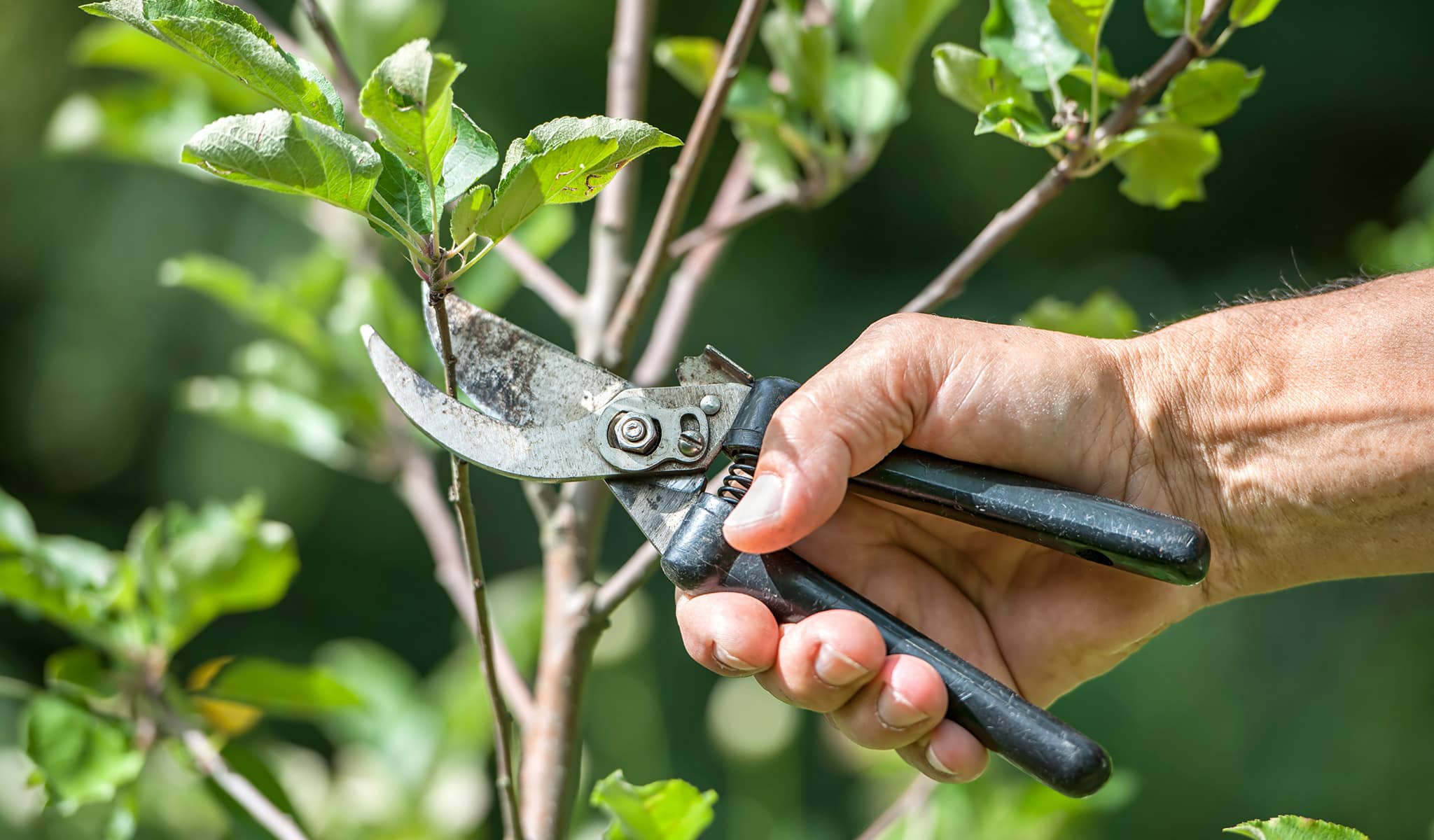
Ever feel like your squash and zucchini plants are taking over your garden? Don't worry, you're not alone! These vigorous growers can quickly become sprawling jungles if left unchecked. But fear not, with a little strategic pruning, you can tame those unruly vines and encourage healthier plants that produce even more delicious fruits. Let's dive into the world of pruning squash and zucchini plants and unlock their full potential.
Understanding the Basics of Pruning Squash and Zucchini Plants
Pruning squash and zucchini plants might seem counterintuitive – after all, aren't you removing parts of the plant that could be producing food? However, strategic pruning offers numerous benefits, including improved air circulation, increased sunlight penetration, and enhanced fruit production. It's all about guiding the plant's energy towards where it's most needed.
Before we get into the how-to, let's clarify the different types of squash and zucchini. They generally fall into two categories: bush varieties and vining varieties. Bush varieties, like many zucchini types, have a more compact growth habit, while vining varieties, such as butternut squash, can sprawl extensively. The pruning approach will differ slightly depending on the type you're growing.
Why Prune Squash and Zucchini?
There are several compelling reasons to consider pruning your squash and zucchini plants:
- Improved Air Circulation: Dense foliage creates a humid environment, making plants susceptible to fungal diseases like powdery mildew. Pruning opens up the canopy, allowing air to circulate freely and reducing the risk of disease.
- Increased Sunlight Penetration: Sunlight is essential for photosynthesis, the process by which plants create energy. Pruning allows more sunlight to reach the developing fruits and remaining leaves, promoting healthier growth and better fruit quality.
- Enhanced Fruit Production: By removing excess foliage, you redirect the plant's energy towards fruit production. This can lead to larger, more abundant harvests.
- Pest Control: An open canopy makes it easier to spot and control pests. You'll have a better view of what's going on and be able to treat any problems more effectively.
- Space Management: Vining varieties can quickly outgrow their allotted space. Pruning helps to keep them in check and prevent them from overwhelming other plants in your garden.
When to Prune Your Squash and Zucchini
Timing is crucial when it comes to pruning. You generally want to start pruning once the plant is well-established and producing fruit. Here's a general timeline:
- Early Summer (After Initial Fruit Set): This is the ideal time to begin removing suckers (small shoots that grow from the base of the plant) and any damaged or diseased leaves.
- Mid-Summer: Continue removing suckers and any leaves that are shading the fruits. You can also start to prune back the ends of vining varieties to control their spread.
- Late Summer: Limit pruning in late summer, as the plant is focusing on ripening its existing fruits. Only remove dead or diseased leaves at this point.
How to Prune Squash and Zucchini Plants: A Step-by-Step Guide
Now for the practical part! Here's a step-by-step guide to pruning squash and zucchini plants, keeping in mind the differences between bush and vining varieties.
Tools You'll Need
- Sharp Pruning Shears: Sharp, clean shears are essential for making clean cuts that heal quickly. Dull blades can crush the stems and increase the risk of disease. I find that having a reliable pair of gardening scissors like the Fiskars Bypass Pruning Shears, a versatile tool with a 5/8-Inch Cut Capacity and sharp, rust-resistant steel blade, is perfect for this task, and you can find them here: https://amzn.to/4i LKbs8.
- Gloves: Protect your hands from thorns and sap.
- Rubbing Alcohol or Bleach Solution: Disinfect your pruning shears between cuts to prevent the spread of disease.
Pruning Bush Varieties (Zucchini, Yellow Squash)
Bush varieties require minimal pruning, but some selective trimming can still be beneficial.
- Remove Suckers: Suckers are small shoots that grow from the base of the plant. They steal energy from the main plant and can reduce fruit production. Cut them off cleanly at the base of the stem.
- Remove Damaged or Diseased Leaves: Remove any leaves that are yellowed, brown, spotted, or otherwise damaged. Dispose of these leaves properly to prevent the spread of disease.
- Improve Air Circulation: If the plant is very dense, you can remove a few of the older, lower leaves to improve air circulation. Be careful not to remove too many leaves, as they are still needed for photosynthesis.
Pruning Vining Varieties (Butternut Squash, Acorn Squash)
Vining varieties require more extensive pruning to control their growth and encourage fruit production.
- Remove Suckers: As with bush varieties, remove any suckers that grow from the base of the plant.
- Remove Damaged or Diseased Leaves: Remove any damaged or diseased leaves.
- Pinch Back the Ends of Vines: Once the vines have reached the desired length, pinch back the ends to encourage side shoots to develop. This will promote more fruit production.
- Limit Fruit Set: Vining varieties can produce a lot of fruit, but it's often better to limit the number of fruits to ensure that the remaining fruits are of high quality. Remove any fruits that are small, misshapen, or located on weak vines. A general guideline is to allow 2-4 fruits per vine.
- Direct Vine Growth: Train the vines to grow in the desired direction. You can use stakes, trellises, or the ground to support the vines.
Tips for Successful Pruning
Here are some additional tips to help you prune your squash and zucchini plants successfully:
- Prune in the Morning: Prune in the morning on a dry day. This allows the cuts to dry quickly and reduces the risk of infection.
- Make Clean Cuts: Use sharp pruning shears to make clean, angled cuts. Avoid tearing or crushing the stems.
- Disinfect Your Tools: Disinfect your pruning shears between cuts to prevent the spread of disease. Use rubbing alcohol or a 10% bleach solution.
- Don't Over-Prune: It's better to err on the side of under-pruning than over-pruning. Removing too many leaves can weaken the plant and reduce fruit production.
- Observe Your Plants: Pay attention to how your plants respond to pruning. Adjust your pruning practices as needed.
Troubleshooting Common Pruning Problems
Even with careful planning, you might encounter some challenges when pruning squash and zucchini plants. Here's how to troubleshoot some common problems:
- Plant Wilting After Pruning: This can happen if you remove too many leaves at once. Water the plant thoroughly and provide shade if necessary. Avoid pruning during the hottest part of the day.
- Slow Fruit Development: This could be due to over-pruning or inadequate fertilization. Make sure your plants are getting enough nutrients and sunlight.
- Disease Outbreaks: Pruning can help to prevent disease, but it's not a guarantee. Monitor your plants regularly for signs of disease and treat any problems promptly.
Conclusion: Pruning for a Bountiful Harvest
Pruning squash and zucchini plants may seem like a daunting task at first, but with a little practice, you'll become a pruning pro! By following these guidelines, you can create healthier, more productive plants that reward you with a bountiful harvest of delicious summer squash and zucchini. So grab your pruning shears, get out in the garden, and start pruning your way to success!