Have you ever looked at your zucchini plant, overflowing with summer squash, and wondered if you could use more than just the fruit? You might be surprised to learn that there's a lesser-known edible part: the stalk! Yes, that sturdy stem supporting your prolific zucchini can be a delicious addition to your kitchen creations, reducing waste and adding a unique flavor to your meals. Exploring the Edibility of Zucchini Plant Stalk Many gardeners are familiar with the delight of harvesting fresh zucchini, but few consider the potential of the zucchini plant stalk. Understanding the nutritional value, preparation techniques, and safety considerations surrounding zucchini stalks can unlock a whole new culinary dimension for your garden bounty. So, is the zucchini stalk edible? The short answer is yes, but with a few important caveats. We need to consider the age of the plant and potential bitterness. Mature zucchini stalks, especially those from older plants,...
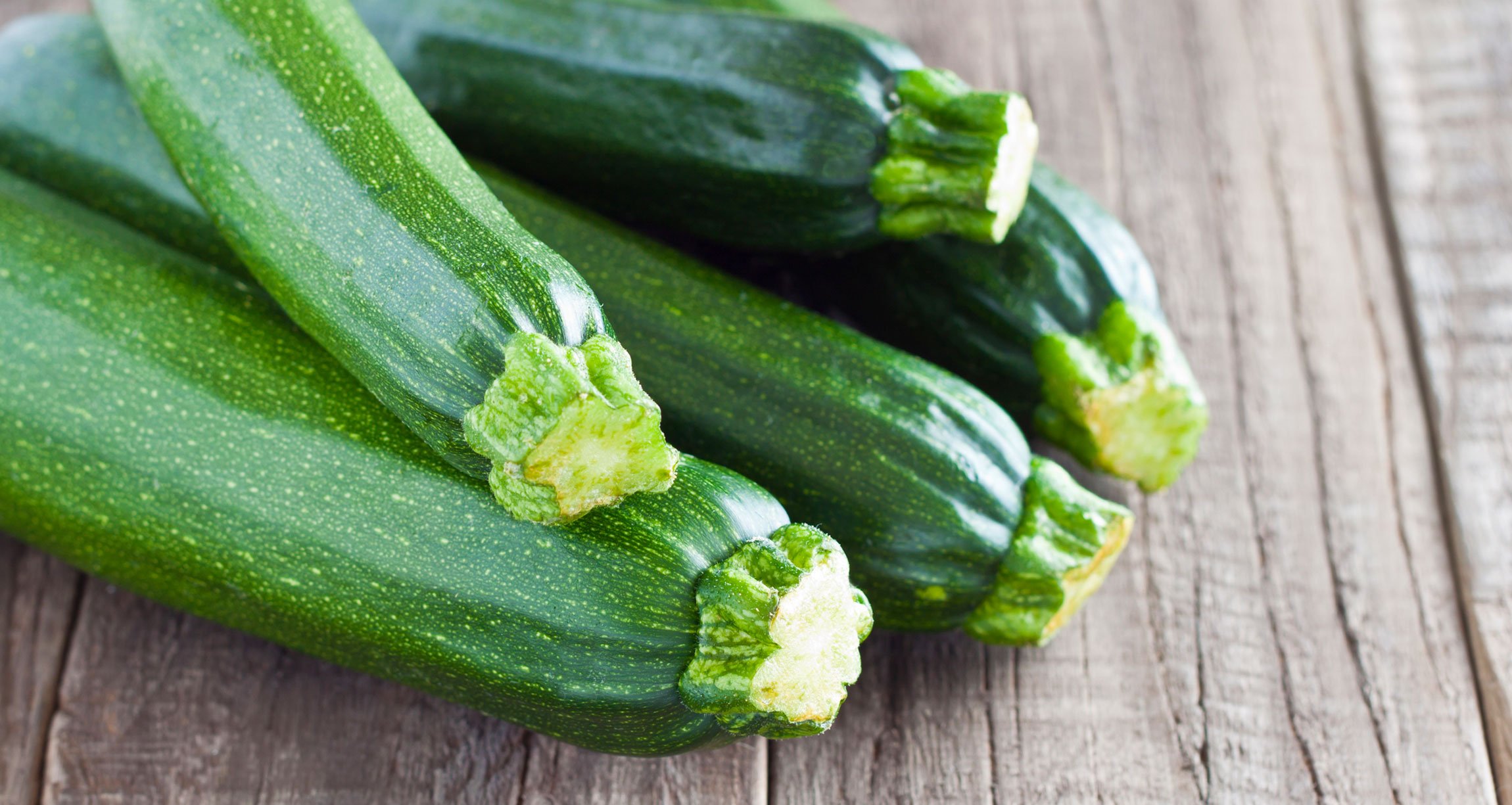
So, you’ve nurtured your zucchini seedlings, patiently waiting for them to grow big enough to brave the great outdoors. You finally transplanted them into your garden, picturing overflowing baskets of delicious zucchini bread and grilled veggies. But then… disaster strikes. Your once-perky zucchini plants are now wilting, drooping like they've given up on life. Don’t panic! Wilting after transplant is a common issue with zucchini, and with a little know-how, you can often revive them and get them back on the road to fruitful production.
Understanding Why Your Zucchini Plant Is Wilting After Transplant
The wilting of your zucchini plant after transplanting is often a sign oftransplant shock. Think of it like this:your little zucchini has been living a comfortable life in a small container, with readily available water and nutrients. Suddenly, it's uprooted, moved to a new environment, and forced to establish a new root system in unfamiliar soil. This can be quite stressful for the plant, leading to temporary wilting.
However, transplant shock isn't the only culprit. Several other factors can contribute to your zucchini plant wilting after being transplanted, including inadequate watering, excessive sunlight, pest infestations, and soil issues. Let's delve into each of these:
Watering Issues: Too Much or Too Little
Water is crucial for a newly transplanted zucchini plant. Both underwatering and overwatering can cause wilting.
- Underwatering: This is the most common reason for wilting. The roots haven't yet fully established themselves, and the plant is struggling to absorb enough water from the surrounding soil to keep its leaves hydrated. The leaves will often feel dry and crispy to the touch.
- Overwatering: While it seems counterintuitive, overwatering can also cause wilting. Soggy soil deprives the roots of oxygen, leading to root rot. Damaged roots can't absorb water effectively, causing the plant to wilt even though the soil is wet. Overwatered plants may have yellowing leaves in addition to wilting.
Excessive Sunlight
Zucchini plants love sunshine, but too much direct sunlight immediately after transplanting can be overwhelming. The plant's root system is still developing and can't keep up with the demands of the leaves in intense sunlight. This leads to excessive transpiration (water loss through the leaves) and, consequently, wilting. Think of it as sending a baby out in the midday sun without sunscreen – it's just too much too soon.
Pest Infestations
Several pests can target newly transplanted zucchini plants, feeding on their leaves and stems and causing them to wilt. Common culprits include:
- Squash bugs: These sap-sucking insects can quickly weaken a plant, causing wilting, yellowing, and even death. Look for clusters of reddish-brown eggs on the underside of leaves and adult bugs hiding around the base of the plant.
- Squash vine borers: These moth larvae bore into the stems of zucchini plants, disrupting the flow of water and nutrients. Signs of squash vine borers include sudden wilting of the entire plant, often accompanied by small holes in the stem and frass (sawdust-like excrement) near the base.
- Aphids: These tiny, sap-sucking insects can cluster on the stems and leaves of zucchini plants, causing them to wilt and become distorted.
Soil Problems
The quality of the soil plays a crucial role in the health of your zucchini plant. Poorly draining soil can lead to root rot, while compacted soil can prevent the roots from spreading and absorbing nutrients. Soil p H also matters; zucchini plants prefer slightly acidic to neutral soil (p H 6.0-7.5).
Here's a table summarizing potential causes and symptoms of wilting zucchini:
| Cause | Symptoms |
|---|---|
| Underwatering | Dry, crispy leaves; soil feels dry to the touch |
| Overwatering | Yellowing leaves; soggy soil; potential root rot |
| Excessive Sunlight | Wilting during the hottest part of the day; leaves may appear scorched |
| Pest Infestations | Visible insects; damaged leaves or stems; sudden wilting of the entire plant |
| Poor Soil | Stunted growth; yellowing leaves; wilting despite adequate watering |
How to Revive a Wilting Zucchini Plant After Transplant
Fortunately, a wilting zucchini plant isn't necessarily a lost cause. With prompt action and proper care, you can often revive it and get it back on track. Here are some steps to take:
Assess the Situation
Before taking any action, carefully examine your plant and the surrounding soil. Is the soil dry or soggy? Are there any signs of pests? Are the leaves dry and crispy, or are they yellowing? Answering these questions will help you pinpoint the cause of the wilting and determine the appropriate course of action.
Adjust Watering Practices
Watering correctly is paramount to saving your plant.
- If the soil is dry: Water deeply and thoroughly, ensuring that the entire root zone is moistened. Check the soil moisture regularly by sticking your finger a few inches into the ground. Water when the top inch of soil feels dry.
- If the soil is soggy: Hold off on watering until the soil dries out slightly. Improve drainage by adding organic matter to the soil or transplanting the zucchini to a raised bed or container.
Provide Shade
Protect your newly transplanted zucchini plant from excessive sunlight, especially during the hottest part of the day. You can use shade cloth, row covers, or even an umbrella to provide temporary shade. As the plant establishes its root system, you can gradually reduce the amount of shade provided.
Check for Pests
Inspect your zucchini plant regularly for signs of pests. If you find any, take appropriate action to control them.
- Squash bugs: Handpick the bugs and eggs, or use insecticidal soap or neem oil.
- Squash vine borers: If the infestation is severe, you may need to carefully slit the stem and remove the borer larvae. You can also try wrapping the base of the stem with aluminum foil to prevent the moths from laying their eggs.
- Aphids: Wash them off with a strong stream of water, or use insecticidal soap or neem oil.
Improve Soil Conditions
If you suspect that poor soil conditions are contributing to the wilting, take steps to improve the soil.
- Add organic matter: Compost, aged manure, and other organic matter will improve soil drainage, aeration, and nutrient content.
- Check soil p H: Use a soil testing kit to determine the p H of your soil. If the p H is too high (alkaline), you can lower it by adding sulfur or acidifying fertilizer.
Gentle Pruning
In some cases, gently pruning some of the larger leaves can reduce the plant's water loss and give it a better chance to recover. Use sharp, clean pruning shears, like those excellentFiskars Bypass Pruning Shears, known for their precision and rust-resistant blades for effortless gardening, which you can find here:https://amzn.to/4i LKbs8. Just be careful not to remove too many leaves, as this can weaken the plant further.
Be Patient
It may take several days or even weeks for your zucchini plant to fully recover from transplant shock. Be patient, continue to provide proper care, and monitor the plant closely for any signs of improvement or deterioration.
Preventing Zucchini Plant Wilting After Transplant: Proactive Measures
Prevention is always better than cure. By taking a few proactive steps, you can minimize the risk of your zucchini plant wilting after transplanting.
Harden Off Seedlings
Before transplanting your zucchini seedlings, gradually acclimate them to outdoor conditions. This process, known as "hardening off," helps them develop thicker stems and stronger root systems, making them more resilient to transplant shock. Start by placing the seedlings outdoors in a sheltered location for a few hours each day, gradually increasing the amount of time they spend outdoors over a period of one to two weeks.
Choose the Right Time to Transplant
Transplant your zucchini seedlings on a cloudy or overcast day, or in the late afternoon, when the sun is less intense. This will reduce the risk of excessive transpiration and wilting. Avoid transplanting during the hottest part of the day.
Handle Seedlings Carefully
When transplanting your zucchini seedlings, handle them with care to avoid damaging their delicate roots. Gently loosen the soil around the root ball, carefully lift the seedling out of its container, and place it in the prepared planting hole. Avoid pulling or tugging on the stem, as this can damage the plant. The health of your zucchini seedlings is directly related to your gardening efforts.
Water Immediately After Transplanting
Water your zucchini seedlings immediately after transplanting to help them establish their root systems and prevent wilting. Water deeply and thoroughly, ensuring that the entire root zone is moistened.
Mulch Around the Plants
Apply a layer of mulch around your zucchini plants to help retain moisture, suppress weeds, and regulate soil temperature. Organic mulches, such as straw, wood chips, or shredded leaves, are ideal for zucchini plants.
Consider Using a Transplant Solution
A transplant solution is a liquid fertilizer that is specifically designed to help plants overcome transplant shock. These solutions typically contain a blend of nutrients and hormones that promote root growth and reduce stress. Follow the instructions on the product label for proper application.
By understanding the causes of zucchini plant wilting after transplant and taking proactive measures to prevent it, you can increase your chances of success and enjoy a bountiful harvest of delicious zucchini. Don't let a little wilting discourage you – with the right care and attention, your zucchini plants will thrive!