Have you ever looked at your zucchini plant, overflowing with summer squash, and wondered if you could use more than just the fruit? You might be surprised to learn that there's a lesser-known edible part: the stalk! Yes, that sturdy stem supporting your prolific zucchini can be a delicious addition to your kitchen creations, reducing waste and adding a unique flavor to your meals. Exploring the Edibility of Zucchini Plant Stalk Many gardeners are familiar with the delight of harvesting fresh zucchini, but few consider the potential of the zucchini plant stalk. Understanding the nutritional value, preparation techniques, and safety considerations surrounding zucchini stalks can unlock a whole new culinary dimension for your garden bounty. So, is the zucchini stalk edible? The short answer is yes, but with a few important caveats. We need to consider the age of the plant and potential bitterness. Mature zucchini stalks, especially those from older plants,...
Ah, zucchini! That prolific summer squash that threatens to overrun your kitchen counters every year. But before you're swimming in zucchini bread and fritters, you've got to protect those precious plants from the unwanted attention of garden pests. These sneaky critters can turn a healthy zucchini patch into a wilted, unproductive mess faster than you can say "summer squash." Fear not, fellow gardeners! Let's dive into the essential strategies for protecting your zucchini plants from pests and ensure a bountiful harvest.
Identifying Common Zucchini Pests
The first step in protecting your zucchini from pests is knowing your enemy. Identifying the specific pests that are targeting your plants is crucial for choosing the most effective control methods. Let's take a look at some of the most common culprits:
Squash Vine Borers
Squash vine borers are notorious for their devastating impact on zucchini plants. These moth larvae bore into the base of the plant, disrupting the flow of water and nutrients, eventually leading to wilting and death. The adult moths are day-flying, wasp-like creatures with orange abdomens. The larvae are cream-colored and about an inch long when fully grown. Signs of squash vine borer infestation include:
- Sudden wilting of the plant, even with adequate watering.
- Small holes at the base of the stem, often with a sawdust-like substance (frass) around them.
- Swollen or enlarged areas on the stem near the base.
Control methods include:
- Row covers: Covering young plants with row covers until they begin to flower can prevent the moths from laying eggs.
- Stem wrapping: Wrapping the base of the stem with aluminum foil or pantyhose can deter the moths from laying eggs.
- Manual removal: If you spot a borer, you can carefully slit the stem open with a sharp knife and remove the larva. Be sure to bury the wounded stem in soil to encourage new root growth.
- Insecticides: In severe infestations, insecticides containing Bacillus thuringiensis (Bt) or pyrethrin can be effective, but should be used cautiously and according to label instructions. Apply directly to the base of the plant stem.
Squash Bugs
Squash bugs are sap-sucking insects that can weaken zucchini plants and transmit diseases. They are flat, brown or gray, and about 1/2 inch long. The nymphs are smaller and lighter in color. Squash bugs tend to congregate on the undersides of leaves and can be difficult to spot. Signs of squash bug infestation include:
- Yellowing or browning of leaves.
- Stunted plant growth.
- Small, dark excrement spots on leaves.
- Adult bugs and their egg clusters (bronze colored) on the undersides of leaves.
Control methods include:
- Handpicking: Regularly inspect your plants and handpick adult bugs, nymphs, and egg clusters. Drop them into a bucket of soapy water to kill them.
- Traps: Place wooden boards or cardboard near your plants. Squash bugs will often hide under these, making them easy to collect and dispose of.
- Insecticidal soap: Spray plants thoroughly with insecticidal soap, paying attention to the undersides of leaves.
- Diatomaceous earth: Sprinkle diatomaceous earth around the base of your plants to deter squash bugs.
Aphids
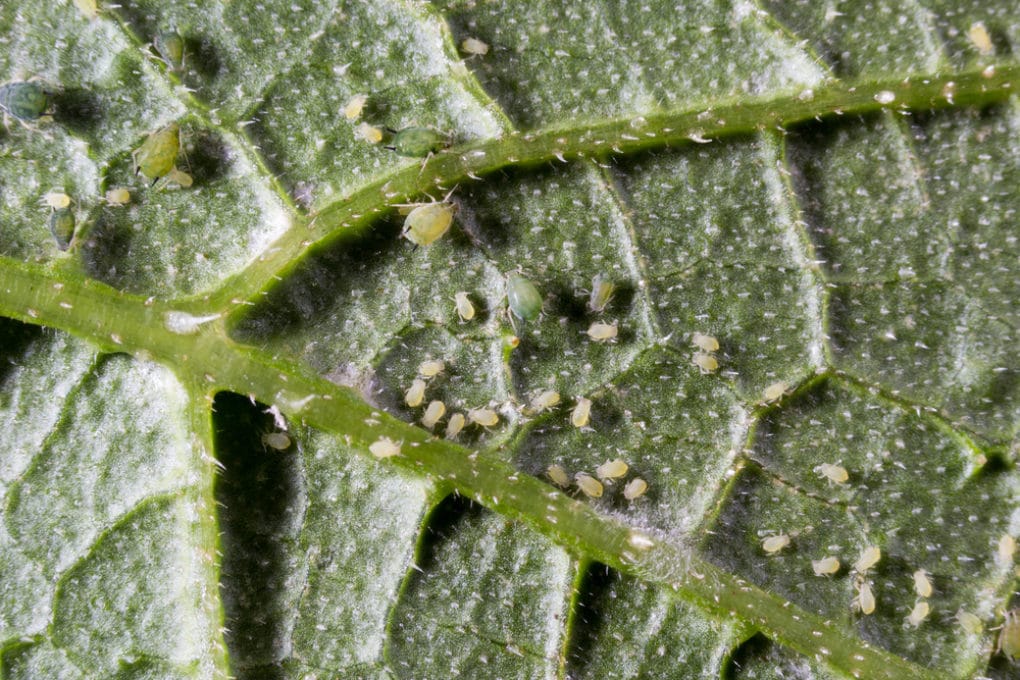
Aphids are small, pear-shaped insects that suck sap from plants. They come in a variety of colors, including green, black, and yellow. Aphids can quickly multiply and cause significant damage to zucchini plants. Signs of aphid infestation include:
- Yellowing or curling of leaves.
- Sticky honeydew (aphid excrement) on leaves, which can attract ants.
- Sooty mold (a black fungus) growing on honeydew.
- Visible clusters of aphids on stems and leaves.
Control methods include:
- Water spray: A strong blast of water from a hose can dislodge aphids from plants.
- Insecticidal soap: Spray plants thoroughly with insecticidal soap.
- Neem oil: Apply neem oil to plants to suffocate aphids.
- Beneficial insects: Encourage beneficial insects like ladybugs, lacewings, and parasitic wasps, which prey on aphids.
Cucumber Beetles
Cucumber beetles are small, yellow or green beetles with black stripes or spots. They feed on the leaves, flowers, and fruits of zucchini plants, and they can also transmit bacterial wilt and squash mosaic virus. Signs of cucumber beetle infestation include:
- Holes in leaves and flowers.
- Scars on fruits.
- Wilting and death of plants due to bacterial wilt.
Control methods include:
- Row covers: Covering young plants with row covers can prevent cucumber beetles from accessing them.
- Handpicking: Regularly inspect your plants and handpick beetles.
- Neem oil: Apply neem oil to plants to repel beetles.
- Insecticides: Insecticides containing pyrethrin or spinosad can be effective, but should be used cautiously and according to label instructions.
Preventative Measures for Protecting Zucchini Plants
Prevention is always better than cure. Implementing preventative measures can significantly reduce the risk of pest infestations and protect your zucchini plants from damage. Here are some key strategies:
Healthy Soil and Plant Nutrition
Healthy plants are more resistant to pests and diseases. Ensure your zucchini plants have access to fertile, well-drained soil with adequate nutrients. Amend your soil with compost or other organic matter before planting. Consider using a balanced fertilizer throughout the growing season to promote healthy growth. A soil test can help determine what nutrients your soil is lacking.
Crop Rotation
Crop rotation involves planting different crops in the same location each year. This helps to break the life cycle of pests and diseases that may be present in the soil. Avoid planting zucchini or other squash family members (cucumbers, pumpkins, melons) in the same location year after year.
Companion Planting
Companion planting involves growing certain plants together to benefit each other. Some plants can repel pests or attract beneficial insects. Good companion plants for zucchini include:
- Marigolds: Repel nematodes and other soil pests.
- Nasturtiums: Repel aphids, squash bugs, and cucumber beetles.
- Dill: Attracts beneficial insects like ladybugs and lacewings.
- Radishes: Can deter squash vine borers.
Regular Monitoring and Early Detection
Regularly inspect your zucchini plants for signs of pests or diseases. Early detection is crucial for preventing infestations from becoming severe. Look for unusual spots, holes, or discoloration on leaves, stems, and fruits. Check the undersides of leaves for insects or egg clusters. The sooner you identify a problem, the easier it will be to control.
Natural and Organic Pest Control Methods
When possible, opt for natural and organic pest control methods to protect your zucchini plants and the environment. These methods are often less harmful to beneficial insects and pollinators. Here are some effective options:
Neem Oil
Neem oil is a natural insecticide and fungicide derived from the neem tree. It can be used to control a wide range of pests, including aphids, squash bugs, cucumber beetles, and spider mites. Neem oil works by disrupting the insect's life cycle and preventing it from feeding. Apply neem oil according to label instructions, typically as a foliar spray.
Insecticidal Soap
Insecticidal soap is a soap-based spray that can kill soft-bodied insects like aphids, whiteflies, and spider mites. It works by dissolving the insect's outer layer, causing dehydration and death. Apply insecticidal soap thoroughly, covering all parts of the plant, including the undersides of leaves. Be sure to use insecticidal soap specifically designed for plants, as regular dish soap can damage foliage.
Diatomaceous Earth
Diatomaceous earth (DE) is a natural powder made from fossilized diatoms (tiny aquatic organisms). It is abrasive to insects and damages their exoskeletons, causing them to dehydrate and die. Sprinkle diatomaceous earth around the base of your zucchini plants and on the leaves. Be sure to use food-grade diatomaceous earth, as other types can be harmful.
Beneficial Insects
Encourage beneficial insects in your garden to help control pest populations. Ladybugs, lacewings, parasitic wasps, and predatory mites are all natural enemies of common zucchini pests. You can attract beneficial insects by planting flowers that provide nectar and pollen, such as yarrow, sunflowers, and cosmos. You can also purchase beneficial insects online or from your local garden center.
Handpicking
Don't underestimate the power of handpicking! Regularly inspect your plants and remove pests by hand. Drop them into a bucket of soapy water to kill them. This is especially effective for squash bugs and cucumber beetles.
When to Use Chemical Insecticides (and How to Do It Safely)
While natural and organic methods are preferred, there may be times when chemical insecticides are necessary to control severe pest infestations. If you choose to use chemical insecticides, it's crucial to do so safely and responsibly. Here are some guidelines:
- Identify the pest: Make sure you know exactly what pest you're targeting before applying any insecticide.
- Read the label: Carefully read and follow all instructions on the insecticide label. Pay attention to application rates, safety precautions, and environmental warnings.
- Choose the right product: Select an insecticide that is specifically labeled for use on zucchini and is effective against the pest you're targeting.
- Apply correctly: Apply the insecticide only to the affected areas of the plant. Avoid spraying on windy days, as the spray can drift to other plants or areas.
- Wear protective gear: Wear gloves, long sleeves, and a mask to protect yourself from exposure to the insecticide.
- Protect pollinators: Avoid spraying insecticides on flowers, as this can harm bees and other pollinators. If you must spray near flowers, do so in the early morning or late evening when pollinators are less active.
- Consider systemic insecticides: Systemic insecticides are absorbed by the plant and can provide longer-lasting protection against pests. However, they can also harm beneficial insects and pollinators. Use systemic insecticides cautiously and according to label instructions.
Remember, even with the best efforts, pests may still find their way to your zucchini plants. The key is to be vigilant, proactive, and persistent in your approach to pest management. By implementing these strategies, you can protect your zucchini plants from pests and enjoy a bountiful harvest of delicious summer squash.
To keep your zucchini patch in tip-top shape, consider using reliable gardening tools. For example, with a reliable set of garden shears like the Fiskars pruning shears, or the Fiskars garden clippers, found here: https://amzn.to/4i LKbs8, you can easily prune away any damaged leaves or stems, promoting healthier growth and deterring pests.