Have you ever looked at your zucchini plant, overflowing with summer squash, and wondered if you could use more than just the fruit? You might be surprised to learn that there's a lesser-known edible part: the stalk! Yes, that sturdy stem supporting your prolific zucchini can be a delicious addition to your kitchen creations, reducing waste and adding a unique flavor to your meals. Exploring the Edibility of Zucchini Plant Stalk Many gardeners are familiar with the delight of harvesting fresh zucchini, but few consider the potential of the zucchini plant stalk. Understanding the nutritional value, preparation techniques, and safety considerations surrounding zucchini stalks can unlock a whole new culinary dimension for your garden bounty. So, is the zucchini stalk edible? The short answer is yes, but with a few important caveats. We need to consider the age of the plant and potential bitterness. Mature zucchini stalks, especially those from older plants,...
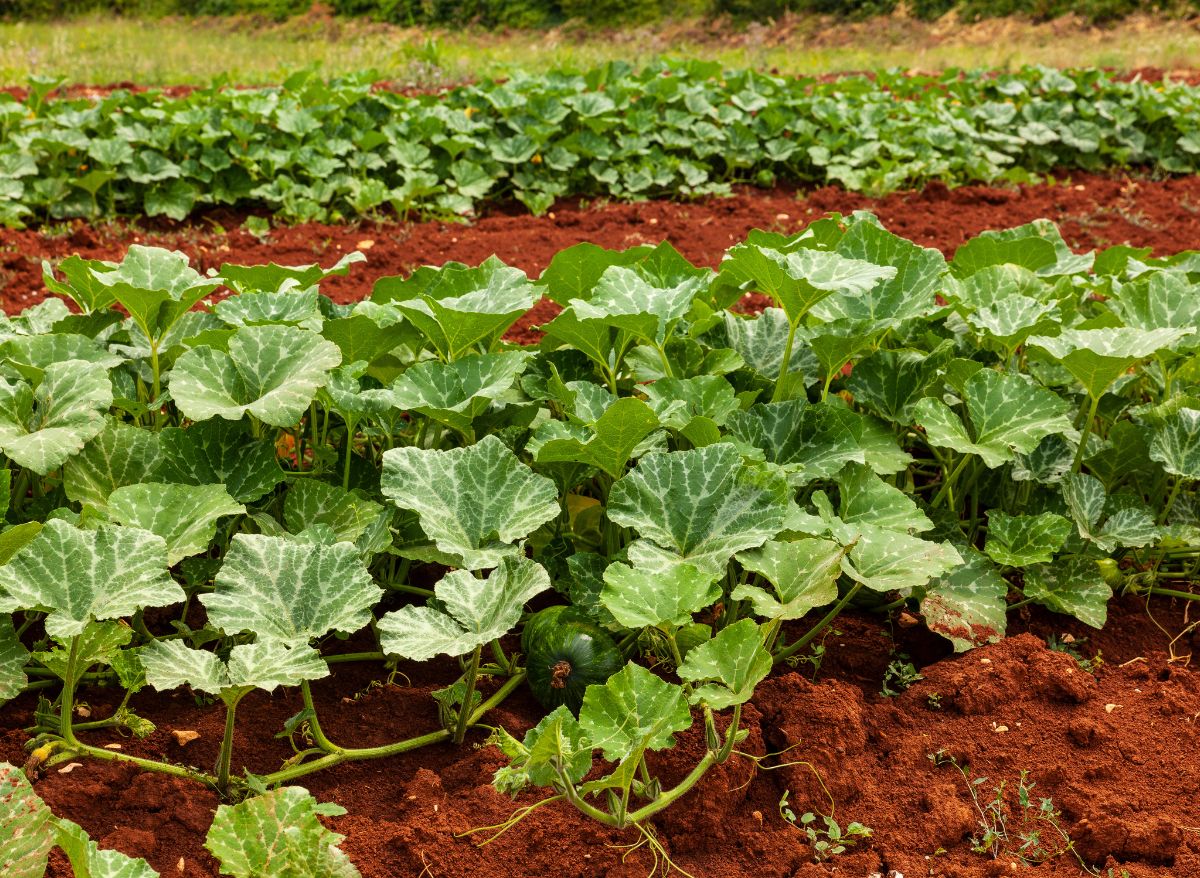
There's nothing quite like the satisfaction of growing your own vegetables. The vibrant green of a flourishing zucchini plant promising a summer of delicious meals...until you discover nibbled leaves, missing fruits, or even a completely decimated plant. It’s a frustrating experience, but don't despair! Protecting your zucchini plants from hungry critters is definitely achievable with a bit of knowledge and the right strategies.
Understanding the Threats to Your Zucchini Patch
Before we dive into specific solutions for animal control in your garden, let's identify the common culprits. Knowing your enemy is half the battle when it comes toprotecting zucchini plants from animals. Different animals require different approaches. Here's a rundown of the usual suspects:
Common Animals Eating Zucchini Plants
Insects: The Tiny Titans of Zucchini Destruction
While not always the first thing that comes to mind when thinking about animal pests, insects can cause significant damage. They can devastate zucchini, sometimes even more than larger animals. Here are some common insect pests:
- Squash Bugs: These sap-suckers can weaken plants and transmit diseases. They are often found in groups, making them easier to spot.
- Squash Vine Borers: These pests are particularly destructive. The larvae burrow into the base of the plant, disrupting water and nutrient flow, ultimately causing the plant to wilt and die.
- Cucumber Beetles: These beetles feed on leaves and blossoms, spreading bacterial wilt. They are small, yellow and black striped, and relatively easy to identify.
- Aphids: These tiny insects suck sap from plants, causing stunted growth and distorted leaves. They also secrete honeydew, which attracts ants and can lead to sooty mold.
- Whiteflies: Similar to aphids, whiteflies are sap-suckers that can weaken plants. They are small, white, and fly around when disturbed.
Mammals: From Rabbits to Deer, a Wide Range of Zucchini Lovers
A wide variety of mammals enjoy munching on zucchini plants, particularly the tender leaves and fruits. The extent of the damage depends on the animal and their population size in your area. Here's a look at some of the main mammalian offenders:
- Rabbits: Rabbits are notorious for their love of garden vegetables. They will happily nibble on leaves, stems, and even the fruits of zucchini plants, especially young, tender plants.
- Deer: Deer can cause significant damage, especially to larger zucchini plants. They often eat entire leaves and can even consume the fruits. Their browsing habits are especially noticeable in the early morning or late evening.
- Groundhogs: Also known as woodchucks, these rodents are voracious eaters. They can quickly decimate a zucchini patch, consuming large quantities of leaves and fruits.
- Voles: These small rodents can damage zucchini plants by feeding on the roots and stems. Their presence is often indicated by small holes in the ground near the plants.
- Squirrels: Squirrels can be attracted to zucchini plants, especially when the fruits are ripening. They may nibble on the fruits, leaving unsightly damage.
- Raccoons: Raccoons are opportunistic feeders and may raid zucchini patches at night. They are known to eat the fruits and can also damage the plants while foraging.
Birds: Occasional Zucchini Snacking
While birds are generally beneficial in gardens by eating insects, some species may occasionally nibble on zucchini plants, especially the young seedlings or ripening fruits. Damage is usually minor, but it's worth considering birds as potential pests.
Strategies for Protecting Zucchini Plants From Animals
Now that we know the potential threats, let's explore effective strategies toprotect your zucchini patch from animal damage. The best approach often involves a combination of methods, tailored to the specific animals in your area.
Physical Barriers:The First Line of Defense in Protecting Zucchini From Pests
Physical barriers are often the most effective way toprotect zucchini from a wide range of animals. They create a physical separation between your plants and the pests, preventing access and minimizing damage. Here are some popular options:
- Fencing: A sturdy fence is a great way to keep out larger animals like rabbits, deer, and groundhogs. The height and material of the fence will depend on the specific animals you are trying to exclude. A chicken wire fence at least 3 feet high is usually sufficient for rabbits, while a taller fence (6-8 feet) may be necessary for deer. Burying the fence a few inches underground can also help prevent animals from digging underneath.
- Netting: Netting is a versatile option for protecting zucchini plants from birds and some insects. You can drape netting directly over the plants or support it with hoops or frames. Choose a netting material with a small mesh size to prevent pests from getting through.
- Row Covers: Row covers are lightweight fabric covers that can be placed over plants to protect them from insects, birds, and even frost. They allow sunlight and water to penetrate, while keeping pests out. Row covers are particularly useful for protecting young zucchini seedlings.
- Plant Collars: Plant collars are circular barriers that can be placed around the base of each zucchini plant. They protect the stems from cutworms and other ground-dwelling pests. You can make your own plant collars from cardboard, plastic, or metal.
Repellents: Deterring Animals with Unpleasant Tastes and Smells
Repellents can be a useful tool for deterring animals from eating zucchini plants. They work by making the plants less appealing, either through taste, smell, or both. Repellents need to be reapplied regularly, especially after rain.
- Commercial Animal Repellents: There are many commercial animal repellents available that are designed to deter specific pests. Look for repellents that contain ingredients like capsaicin (from chili peppers), garlic, or putrescent egg solids. Always follow the instructions on the product label.
- Homemade Repellents: You can also make your own animal repellents using ingredients you may already have at home. For example, a mixture of water and cayenne pepper can be sprayed on plants to deter rabbits and other herbivores. Garlic spray, made by soaking garlic cloves in water, can repel insects.
- Motion-Activated Sprinklers: These sprinklers detect movement and spray a burst of water, startling animals and deterring them from entering your garden. They are particularly effective against deer, rabbits, and groundhogs.
Companion Planting: Using Plant Relationships to Protect Zucchini
Companion planting is the practice of growing different plants together to benefit each other. Some plants can repel pests, attract beneficial insects, or provide shade or support for other plants. Here are some good companion plants for zucchini:
- Marigolds: Marigolds repel nematodes and other soil pests. Their strong scent can also deter some insects.
- Nasturtiums: Nasturtiums attract aphids, drawing them away from your zucchini plants. They also attract beneficial insects like ladybugs and lacewings, which prey on aphids and other pests.
- Radishes: Radishes can deter squash vine borers. Plant them near your zucchini plants to protect them from this destructive pest.
- Garlic and Onions: Garlic and onions have a strong scent that repels many insects and animals, including aphids, squash bugs, and rabbits.
- Borage: Borage attracts beneficial insects like bees and wasps, which can help pollinate your zucchini plants. It also deters squash bugs and tomato hornworms.
Regular Monitoring and Early Intervention
Regularly inspect your zucchini plants for signs of damage. Early detection is key to preventing a minor problem from becoming a major infestation. Look for chewed leaves, holes in fruits, wilting plants, and the presence of pests. Take action as soon as you notice any problems. The sooner you identify and address the issue, the easier it will be to control.
Other Important Considerations for Protecting Zucchini
Maintaining a Clean Garden
A clean garden is less attractive to pests. Remove weeds, fallen leaves, and other debris that can provide shelter for insects and animals. Keep your garden tidy and well-maintained to minimize pest problems.
Using Natural Predators
Encourage natural predators in your garden. Birds, ladybugs, lacewings, and praying mantises are all beneficial insects that prey on pests. Provide habitat for these predators by planting flowering plants and avoiding the use of broad-spectrum insecticides.
Crop Rotation
Crop rotation is the practice of planting different crops in the same location each year. This helps to break the life cycle of pests and diseases, reducing their impact on your zucchini plants. Avoid planting zucchini in the same location year after year.
Proper Watering and Fertilization
Healthy plants are more resistant to pests and diseases. Water your zucchini plants regularly and fertilize them as needed. Avoid overwatering, as this can create conditions that are favorable for fungal diseases.
Speaking of maintaining a healthy garden, sometimes you need the right tools for the job. For precise pruning and deadheading, consider using the Fiskars Bypass Pruning Shears, a reliable pair of garden clippers with a sharp, rust-resistant blade for clean cuts. You can find them here: https://amzn.to/4i LKbs8.
By implementing these strategies, you can significantly reduce the risk of animal damage and enjoy a bountiful harvest of delicious zucchini. Remember thatprotecting your zucchini plants from animals is an ongoing process. Be vigilant, adapt your approach as needed, and don't give up! With a little effort, you can outsmart the pests and enjoy the fruits (or rather, vegetables) of your labor.