Have you ever looked at your zucchini plant, overflowing with summer squash, and wondered if you could use more than just the fruit? You might be surprised to learn that there's a lesser-known edible part: the stalk! Yes, that sturdy stem supporting your prolific zucchini can be a delicious addition to your kitchen creations, reducing waste and adding a unique flavor to your meals. Exploring the Edibility of Zucchini Plant Stalk Many gardeners are familiar with the delight of harvesting fresh zucchini, but few consider the potential of the zucchini plant stalk. Understanding the nutritional value, preparation techniques, and safety considerations surrounding zucchini stalks can unlock a whole new culinary dimension for your garden bounty. So, is the zucchini stalk edible? The short answer is yes, but with a few important caveats. We need to consider the age of the plant and potential bitterness. Mature zucchini stalks, especially those from older plants,...
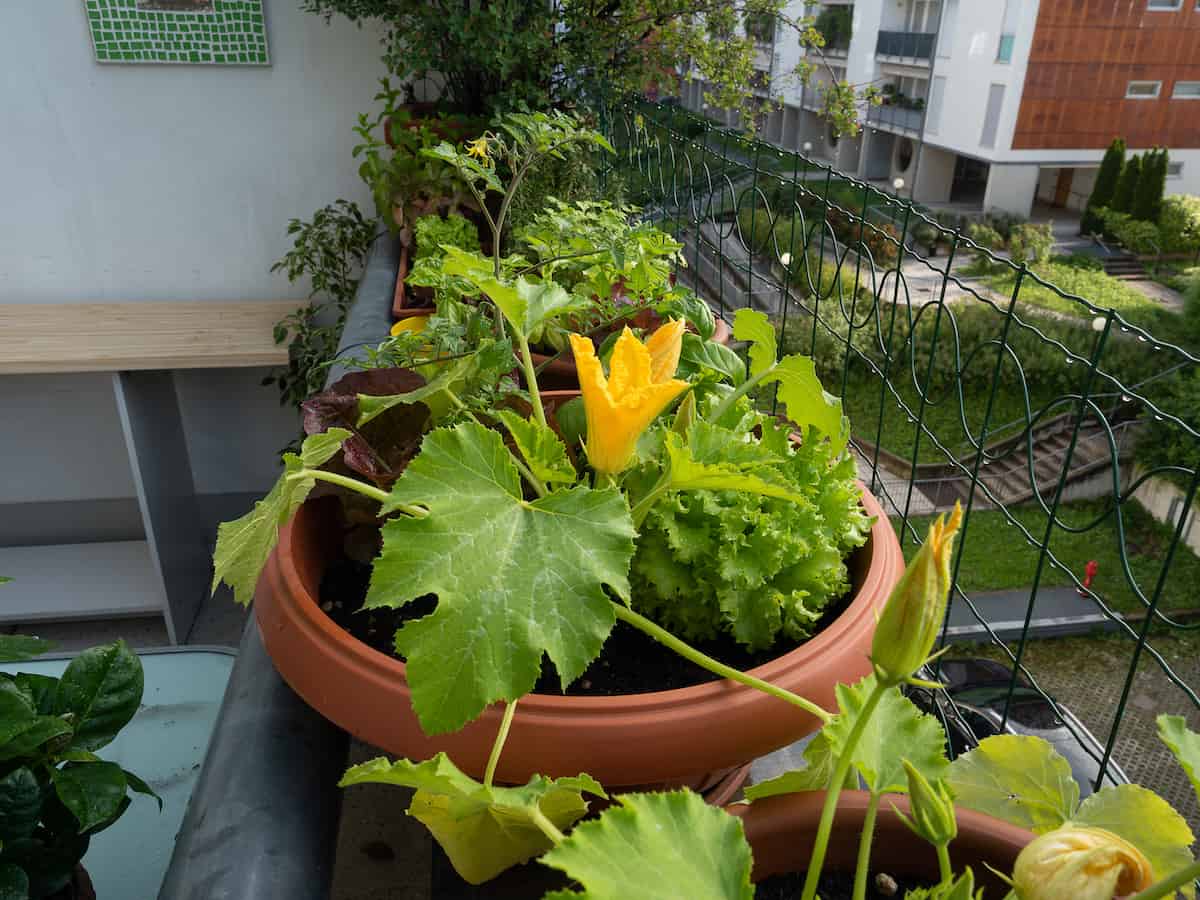
Ever dream of plucking fresh zucchini right from your patio? You don't need acres of land to enjoy homegrown goodness! With a little know-how, you can cultivate these prolific veggies in pots, even if you're short on space. And guess what? We've found the perfect video guide to get you started. Get ready to dive into the world of container zucchini gardening!
Why Grow Zucchini in Pots? A Beginner's Guide
Growing zucchini in pots offers a fantastic alternative to traditional gardening, especially if you're limited by space or have poor soil quality. Let's explore the advantages of this method.
Space Saving
One of the biggest draws of container gardening is its space-saving nature. Apartment dwellers, balcony gardeners, and those with small yards can all enjoy fresh zucchini. Forget tilling a large garden plot; a few well-placed pots are all you need. By choosing compact zucchini varieties, you can maximize your yield even in a confined area. This makes zucchini accessible to everyone, regardless of their living situation.
Controlling Soil Conditions
When you grow zucchini in pots, you have complete control over the soil composition. This is a huge advantage, as you can tailor the soil to meet the specific needs of zucchini plants. You can ensure proper drainage, nutrient levels, and p H balance. This is particularly beneficial if your native soil is heavy clay, sandy, or otherwise unsuitable for zucchini cultivation. Using a high-quality potting mix designed for vegetables is highly recommended. I personally like to amend with compost and some slow release fertilizer to ensure a happy plant.
Pest and Disease Management
Container gardening can help reduce the risk of pest and disease infestations. By keeping your zucchini plants elevated and isolated from the ground, you minimize their exposure to soil-borne pests and pathogens. Regularly inspecting your plants for any signs of trouble and taking prompt action can prevent minor issues from escalating into major problems. Plus, moving the pots to a more protected location during inclement weather becomes an easy way to prevent issues like fungal diseases. You can also wrap a netting around the plants if they are particularly susceptible to pest infestation.
Choosing the Right Zucchini Variety for Containers
Not all zucchini varieties are created equal, especially when it comes to container gardening. Compact bush types are the most suitable for pots, as they require less space than sprawling vine varieties. Let's take a look at some excellent choices:
- 'Bush Baby II': This variety is a true dwarf zucchini, perfect for even the smallest of containers.
- 'Spacemiser': As the name suggests, 'Spacemiser' is bred for compact growth and high yields.
- 'Astia': This hybrid zucchini is known for its early maturity and resistance to common diseases.
- 'Eight Ball': A round zucchini variety that is both productive and ornamental.
- 'Patio Star': A reliable choice for container gardening, producing tasty fruits on a compact plant.
When selecting your zucchini variety, consider factors such as mature size, disease resistance, and days to harvest. Read seed packets or consult online resources to make an informed decision.
The Essential Guide to Planting Zucchini in Pots Video
Before you get started, finding a reliable source of information is key. A video tutorial can be incredibly helpful, especially for visual learners. Look for a "Planting Zucchini In Pots Video" that covers the following:
Pot Selection and Soil Preparation
Choosing the right pot is crucial for successful zucchini cultivation. A container that is at least 24 inches in diameter and 24 inches deep is recommended to accommodate the plant's root system. Ensure that the pot has adequate drainage holes to prevent waterlogging. As for the soil, use a high-quality potting mix specifically formulated for vegetables. Amend it with compost or other organic matter to improve fertility and water retention.
- Pot Size: Minimum 24 inches diameter and depth
- Material: Plastic, terracotta, or fabric pots are all suitable
- Drainage: Essential to prevent root rot
- Soil: High-quality potting mix amended with compost
Sowing Seeds or Transplanting Seedlings
You can either start zucchini seeds directly in the pot or transplant seedlings that you've started indoors. If sowing seeds directly, plant them about 1 inch deep and keep the soil consistently moist. If transplanting seedlings, handle them carefully to avoid damaging the roots. Space the plants according to the recommendations on the seed packet or plant label.
Sunlight, Watering, and Fertilizing
Zucchini plants need at least 6-8 hours of sunlight per day to thrive. Place your pots in a sunny location that receives ample sunlight. Water regularly, especially during hot, dry weather. The soil should be consistently moist but not waterlogged. Fertilize every 2-3 weeks with a balanced fertilizer or a fertilizer specifically formulated for vegetables. Follow the instructions on the fertilizer label carefully to avoid over-fertilizing.
You can also make your own natural fertilizer by making compost tea! Simply put a handful of compost in a bucket with water, let it sit for a few days, then strain the mixture and use the water to fertilize your plants.
Troubleshooting Common Problems When Growing Zucchini in Pots
Even with the best care, you may encounter some challenges when growing zucchini in pots. Here are some common problems and how to address them:
Powdery Mildew
Powdery mildew is a fungal disease that appears as a white, powdery coating on the leaves. To prevent powdery mildew, ensure good air circulation around your plants and avoid overhead watering. If powdery mildew does appear, treat it with a fungicide or a homemade remedy such as baking soda spray.
Squash Vine Borers
Squash vine borers are destructive pests that can tunnel into the stems of zucchini plants, causing them to wilt and die. To prevent squash vine borers, wrap the base of the stems with foil or fabric to prevent the moths from laying their eggs. You can also use row covers to protect your plants during the borer's active season.
Aphids
Aphids are small, sap-sucking insects that can weaken zucchini plants and transmit diseases. To control aphids, spray your plants with a strong stream of water or use insecticidal soap. You can also introduce beneficial insects such as ladybugs to your garden to prey on aphids.
Blossom End Rot
Blossom end rot is a physiological disorder that causes the blossom end of the zucchini fruit to become dark and sunken. It is typically caused by calcium deficiency or inconsistent watering. To prevent blossom end rot, ensure that your soil is rich in calcium and water your plants regularly and consistently.
Harvesting and Enjoying Your Homegrown Zucchini
Zucchini plants are incredibly prolific, so you'll likely be harvesting fruits regularly throughout the growing season. Harvest zucchini when they are young and tender, typically around 6-8 inches long. Use a sharp knife or pruning shears to cut the zucchini from the plant, leaving a short stem attached. Regularly harvesting your zucchini will encourage the plant to produce more fruits. Speaking of pruning shears, make sure you have a good pair likeFiskars Bypass Pruning Shears, these garden clippers boast a 5/8-inch cut capacity and sharp, rust-resistant steel blades, making them perfect for harvesting your bountiful crop. Find them here:https://amzn.to/4i LKbs8
Zucchini can be used in a variety of culinary applications, from grilling and roasting to baking and stir-frying. You can also shred it and use it in breads, muffins, and cakes. The possibilities are endless! Excess zucchini can be frozen or pickled for later use.
Conclusion: Grow Your Own Zucchini Today!
Growing zucchini in pots is a rewarding and accessible way to enjoy homegrown vegetables, even if you have limited space. By following these tips and watching a "Planting Zucchini In Pots Video" for visual guidance, you can cultivate a bountiful harvest of fresh, delicious zucchini right on your patio or balcony. So, grab your pots, seeds, and gardening gloves, and get ready to embark on a container gardening adventure!