Have you ever looked at your zucchini plant, overflowing with summer squash, and wondered if you could use more than just the fruit? You might be surprised to learn that there's a lesser-known edible part: the stalk! Yes, that sturdy stem supporting your prolific zucchini can be a delicious addition to your kitchen creations, reducing waste and adding a unique flavor to your meals. Exploring the Edibility of Zucchini Plant Stalk Many gardeners are familiar with the delight of harvesting fresh zucchini, but few consider the potential of the zucchini plant stalk. Understanding the nutritional value, preparation techniques, and safety considerations surrounding zucchini stalks can unlock a whole new culinary dimension for your garden bounty. So, is the zucchini stalk edible? The short answer is yes, but with a few important caveats. We need to consider the age of the plant and potential bitterness. Mature zucchini stalks, especially those from older plants,...
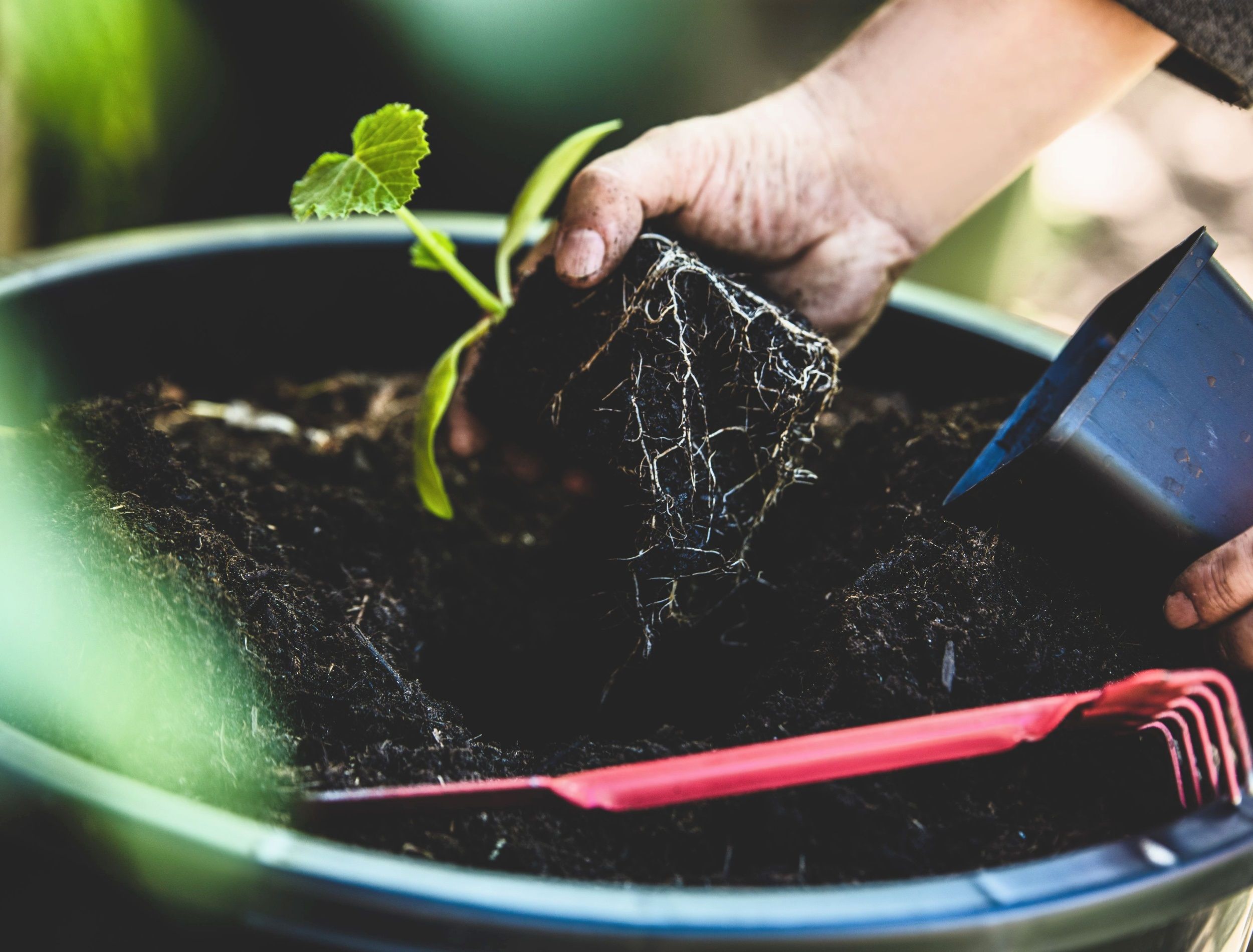
Ever dreamt of harvesting fresh, delicious zucchini right from your balcony or patio? You don't need acres of land to enjoy this summer squash! Growing zucchini in pots is easier than you might think, and it's a fantastic way to bring a taste of the garden to even the smallest of spaces. Let's dive into the how-to of planting zucchini in pots and get you on your way to a bountiful harvest!
How To Plant Zucchini In Pots: A Complete Guide
Growing zucchini in containers is a rewarding experience. Zucchini plants, while known for their sprawling nature in gardens, can thrive in pots with the right approach. This guide will walk you through the entire process, from selecting the right variety to harvesting your homegrown bounty. We'll cover everything you need to know about how to plant zucchini in pots successfully.
Choosing the Right Zucchini Variety for Container Gardening
Not all zucchini varieties are created equal, especially when it comes to container gardening. Some varieties are bushier and more compact, making them ideal for growing zucchini in containers. Others are vining types that require more space and support. Choosing the right variety is the first step toward a successful container garden. Consider these factors:
- Bush varieties: These are generally the best choice for container gardening. They stay relatively compact and produce a good yield without taking over your entire patio. Some popular bush varieties include 'Black Beauty', 'Bush Baby', 'Eight Ball', and 'Spacemiser'.
- Space requirements: Even bush varieties need a decent amount of space. Check the plant tag or seed packet for information on the plant's mature size.
- Days to maturity: Consider how long it takes for the zucchini to mature. Shorter maturity times mean you'll be harvesting sooner!
- Disease resistance: Look for varieties that are resistant to common zucchini diseases like powdery mildew.
For instance, the "Spacemiser" variety is a great choice for smaller spaces, as it's specifically bred for compact growth. "Black Beauty," a classic zucchini, can also perform well in a large container. Before you plant, it's always wise to check which types are best for where you plan to put them. This is an important aspect of learning how to plant zucchini in pots.
Selecting the Perfect Pot and Soil for Your Zucchini Plant
The container you choose and the soil you use are crucial for the health and productivity of your zucchini plant. Think of the pot as the plant's home and the soil as its food source. Here's what to keep in mind:
Pot Size and Material
Zucchini plants are heavy feeders and need plenty of room for their roots to grow. A pot that's too small will restrict root growth and result in a stunted plant with poor yields. Aim for a pot that's at least 24 inches in diameter and 24 inches deep. This will provide ample space for the roots to develop. Terracotta, plastic, or resin containers are all suitable choices. Make sure the container has drainage holes at the bottom to prevent waterlogging, which can lead to root rot.
Soil Requirements
Zucchini plants need well-draining, nutrient-rich soil. A good quality potting mix is essential. Avoid using garden soil, as it can be too heavy and may not drain well in a container. Consider adding compost or other organic matter to improve the soil's fertility and drainage. A slightly acidic to neutral p H is ideal (around 6.0 to
7.0). Here’s a quick recipe for a container-friendly soil mix:
- 60% High-quality potting mix
- 20% Compost (for nutrients and drainage)
- 10% Perlite (to improve drainage and aeration)
- 10% Vermiculite (to retain moisture)
When planting zucchini, ensure that the soil mix is loose and airy to promote healthy root growth, which is why the above mix is a great choice. Good drainage is an essential when learning how to plant zucchini in pots, as zucchini roots will rot if sitting in soggy soil.
Step-by-Step Guide: How To Plant Zucchini In Pots
Now for the fun part! Let's walk through the process of planting your zucchini in its new container home. Follow these steps for a successful start:
- Prepare the Pot: Ensure your pot is clean and has adequate drainage holes. Place a layer of gravel or broken pottery at the bottom of the pot to further improve drainage.
- Fill with Soil: Fill the pot with your chosen potting mix, leaving a few inches of space at the top.
- Planting the Seed or Seedling:
- From Seed: Sow seeds directly into the pot, about 1 inch deep. Plant 2-3 seeds per pot and thin to the strongest seedling after they germinate.
- From Seedling: Gently remove the seedling from its nursery pot and loosen any circling roots. Dig a hole in the center of the pot that's large enough to accommodate the root ball. Place the seedling in the hole and backfill with soil, gently firming around the base.
- Water Thoroughly: Water the soil deeply until water drains out of the bottom of the pot. This will help settle the soil around the roots.
- Sunlight: Place the pot in a location that receives at least 6-8 hours of direct sunlight per day. Zucchini plants are sun-loving and need plenty of light to thrive.
After planting, continue to monitor the moisture levels in the soil, and always make sure that your plant is getting enough sunshine. This is especially important if you are trying to figure out how to plant zucchini in pots.
Caring for Your Container Zucchini Plants
Once your zucchini is planted, proper care is essential to ensure a bountiful harvest. Here's a rundown of the key aspects of zucchini plant care:
Watering and Fertilizing
Zucchini plants are thirsty and hungry! They need consistent watering, especially during hot weather. Check the soil moisture daily and water when the top inch feels dry to the touch. Avoid overwatering, as this can lead to root rot. Water deeply, allowing the water to drain out of the bottom of the pot.
Fertilizing is also crucial. Zucchini plants are heavy feeders and need regular fertilization to produce a good yield. Start fertilizing a few weeks after planting, when the plant starts to actively grow. Use a balanced, water-soluble fertilizer every 2-3 weeks, following the instructions on the label. You can also supplement with organic fertilizers like compost tea or worm castings.
Pollination
Zucchini plants have separate male and female flowers. Pollination is necessary for fruit to develop. Bees are the primary pollinators, but if you're growing zucchini in a container, you may need to hand-pollinate the flowers. Here's how:
- Identify the male and female flowers. Male flowers have a long, slender stem, while female flowers have a small, immature zucchini fruit at the base.
- Use a small paintbrush or cotton swab to collect pollen from the male flower. Gently brush the pollen onto the stigma of the female flower.
- Hand-pollinate in the morning, when the flowers are open and the pollen is fresh.
Hand pollination is critical for getting the most out of your zucchini when you plant zucchini in pots, so make sure to keep an eye on your plants and ensure pollination is happening. Also consider planting flowers nearby to attract pollinators!
Pest and Disease Control
Zucchini plants can be susceptible to pests and diseases, such as aphids, squash bugs, squash vine borers, and powdery mildew. Regularly inspect your plants for any signs of infestation or disease. If you spot any problems, take action promptly.
- Aphids: Spray aphids with a strong stream of water or use insecticidal soap.
- Squash bugs: Handpick squash bugs and their eggs from the plants.
- Squash vine borers: These pests can be difficult to control. Wrap the base of the plant with aluminum foil to prevent the borers from laying eggs.
- Powdery mildew: This fungal disease can be prevented by providing good air circulation and avoiding overhead watering. If powdery mildew appears, spray the plants with a fungicide.
Neem oil is a great organic option for controlling a variety of pests and diseases. Prevention is always the best approach! And remember, keeping your plants healthy and strong will make them more resistant to problems.
Harvesting Your Zucchini
The moment you've been waiting for! Harvesting your homegrown zucchini is the culmination of all your hard work. Zucchini is best harvested when it's young and tender, typically when it's 6-8 inches long. Use a sharp knife or pruning shears to cut the zucchini from the plant, leaving a short stem attached. Regular harvesting will encourage the plant to produce more fruit. Overgrown zucchini can become tough and seedy, so harvest frequently for the best flavor and texture.
To make harvesting easier, consider using a pair of qualitygardening shears, such as the Fiskars Bypass Pruning Shears, which has a 5/8-Inch Cut Capacity and sharp, rust resistant steel blade. You can easily get them here:https://amzn.to/4i LKbs8. A good set of garden clipping scissors can really help you keep your garden in order.
Troubleshooting Common Problems
Even with the best care, you might encounter some challenges when growing zucchini in containers. Here are some common problems and how to address them:
- Yellowing Leaves: This could be a sign of nutrient deficiency, overwatering, or underwatering. Check the soil moisture and fertilize accordingly.
- Lack of Fruit: This could be due to poor pollination, lack of sunlight, or extreme temperatures. Hand-pollinate the flowers, ensure the plant is getting enough sunlight, and protect it from extreme heat or cold.
- Stunted Growth: This could be caused by a pot that's too small, poor soil, or pest infestation. Transplant the zucchini into a larger pot with fresh soil, and inspect the plant for pests.
Observing your plants closely and addressing any issues promptly will help you keep them healthy and productive.
Enjoying Your Homegrown Zucchini
Now that you've successfully learned how to plant zucchini in pots, harvest, and care for your plants, it's time to enjoy the fruits (or rather, vegetables!) of your labor. Zucchini is incredibly versatile and can be used in a variety of dishes, from savory to sweet. Grill it, roast it, sauté it, bake it into bread or muffins, or even spiralize it into noodles. The possibilities are endless!
By following these tips and tricks, you can enjoy a bountiful harvest of fresh, delicious zucchini right from your own container garden. Happy gardening!