Have you ever looked at your zucchini plant, overflowing with summer squash, and wondered if you could use more than just the fruit? You might be surprised to learn that there's a lesser-known edible part: the stalk! Yes, that sturdy stem supporting your prolific zucchini can be a delicious addition to your kitchen creations, reducing waste and adding a unique flavor to your meals. Exploring the Edibility of Zucchini Plant Stalk Many gardeners are familiar with the delight of harvesting fresh zucchini, but few consider the potential of the zucchini plant stalk. Understanding the nutritional value, preparation techniques, and safety considerations surrounding zucchini stalks can unlock a whole new culinary dimension for your garden bounty. So, is the zucchini stalk edible? The short answer is yes, but with a few important caveats. We need to consider the age of the plant and potential bitterness. Mature zucchini stalks, especially those from older plants,...
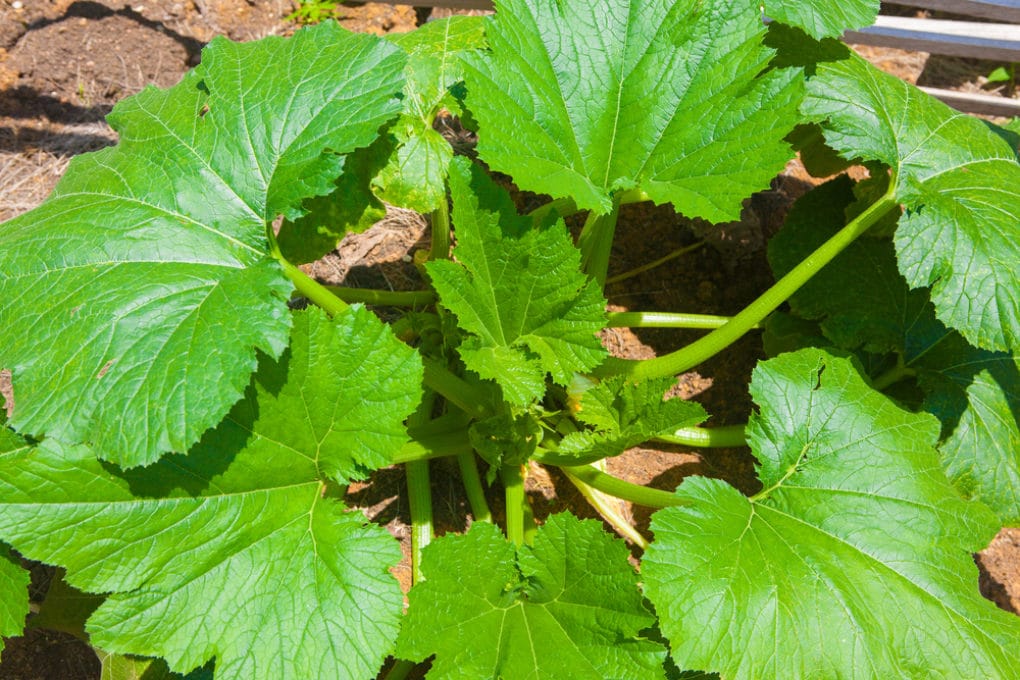
Imagine strolling through your garden, anticipating a bountiful zucchini harvest, only to be met with a disheartening sight: yellowing, browning, or spotted leaves on your prized zucchini plants. Leaf discoloration can be a gardener's worst nightmare, signaling underlying problems that, if left unaddressed, can severely impact your yield. But don't despair! Understanding the causes behind zucchini leaf discoloration is the first step to restoring your plants to their vibrant, productive glory.
Understanding Zucchini Leaf Discoloration
Zucchini plants, like all living things, are susceptible to a variety of ailments that can manifest as changes in leaf color. Recognizing these symptoms early on is crucial for effective intervention. The term "discoloration" covers a broad range of visual cues, each potentially pointing to a specific cause. Here, we’ll break down common types of zucchini leaf discoloration and explore their underlying reasons.
Common Types of Zucchini Leaf Discoloration
The color and pattern of the discoloration on zucchini plant leaves provides valuable clues about the underlying problem. Keep a close eye on your plants and note the specific characteristics of the changes you observe.
Yellowing Leaves (Chlorosis)
Yellowing, technically known as chlorosis, is a very common problem. This happens when the leaves aren't producing enough chlorophyll, which is essential for photosynthesis. Chlorophyll is what makes leaves green, so a lack of it leads to a pale or yellow appearance. There are many reasons for chlorosis. Here are some common causes:
- Nutrient Deficiencies: Zucchinis are heavy feeders. Lack of nitrogen, magnesium, iron, or other essential nutrients can lead to yellowing. Nitrogen deficiency often shows up as uniform yellowing of older leaves first, while iron deficiency may cause yellowing between the veins of younger leaves.
- Overwatering/Poor Drainage: Waterlogged soil deprives roots of oxygen, hindering nutrient uptake and leading to chlorosis.
- Root Rot: Fungal diseases that attack the roots can prevent them from absorbing nutrients, causing yellowing.
- Viral Diseases: Some viruses, like the Cucumber Mosaic Virus, can cause mottled yellowing and stunted growth.
White Spots or Powdery Coating
If you spot white spots or a powdery coating on your zucchini leaves, it's highly likely that you're dealing with powdery mildew. This fungal disease is a very common issue, especially in humid conditions. It thrives when air circulation is poor.
Powdery mildew is easily recognizable by its white or grayish-white powdery spots that appear on the upper surfaces of leaves, stems, and even fruits. In severe cases, the entire plant can be covered in the white powder. While powdery mildew rarely kills a plant outright, it can weaken it, reduce yields, and make it more susceptible to other diseases and pests.
Brown Spots or Lesions
Brown spots or lesions can indicate several potential problems, often related to fungal or bacterial infections. The appearance of the spots can vary depending on the specific disease.
- Fungal Leaf Spots: Diseases like Anthracnose and Alternaria leaf spot can cause small, circular brown spots that may enlarge and merge together. Often, a yellow halo surrounds the spots.
- Bacterial Leaf Spot: Bacterial infections can also cause brown or black spots. These spots may appear water-soaked initially and can eventually dry out and crack.
- Squash Bugs: While not a disease, squash bug feeding can cause brown spots on leaves. Check the undersides of leaves for these pests.
Mosaic Pattern
A mosaic pattern refers to a mottled appearance on the leaves, with patches of light and dark green or yellow. This pattern often indicates a viral infection, such as Cucumber Mosaic Virus (CMV) or Watermelon Mosaic Virus (WMV). These viruses are often transmitted by aphids.
Viral diseases are particularly concerning because there is no cure. Management focuses on preventing the spread of the virus by controlling aphid populations and removing infected plants promptly.
Causes of Discoloration in Zucchini Plant Leaves
Now that we've covered the common types of discoloration, let's dive deeper into the specific causes.
Pests
Pests can inflict direct damage to leaves, causing discoloration. They can also transmit diseases that result in leaf discoloration.
- Aphids: These tiny, sap-sucking insects can cause yellowing, distorted growth, and transmit viral diseases.
- Squash Bugs: As mentioned earlier, squash bug feeding can cause brown spots. They also suck sap from the leaves, weakening the plant.
- Spider Mites: These tiny pests create fine webs on leaves and cause stippling, which can lead to yellowing and browning.
Diseases
Fungal, bacterial, and viral diseases are major culprits behind zucchini leaf discoloration. Recognizing the signs of each disease is crucial for effective treatment.
Table: Common Zucchini Diseases and Their Symptoms
| Disease | Symptoms |
|---|---|
| ----------------------- | --------------------------------------------------------------------------------------------------------- |
| Powdery Mildew | White or grayish-white powdery coating on leaves and stems. |
| Downy Mildew | Yellow spots on the upper leaf surface with a gray or purple downy growth on the underside. |
| Anthracnose | Small, circular brown spots that enlarge and may have a sunken center. |
| Bacterial Wilt | Sudden wilting of leaves and vines, often followed by plant death. |
| Cucumber Mosaic Virus | Mottled yellowing, stunted growth, and distorted leaves. |
Nutrient Deficiencies
Zucchini plants are heavy feeders and require a balanced supply of nutrients to thrive. Deficiencies in essential nutrients can manifest as distinct discoloration patterns.
- Nitrogen Deficiency: Uniform yellowing of older leaves.
- Magnesium Deficiency: Yellowing between the veins of older leaves, while the veins remain green.
- Iron Deficiency: Yellowing between the veins of younger leaves.
- Potassium Deficiency: Scorched or burned edges on older leaves.
Addressing nutrient deficiencies involves testing the soil to determine the specific imbalances and amending it with appropriate fertilizers. A balanced fertilizer formulated for vegetables is generally a good starting point. Always follow the instructions on the fertilizer label and avoid over-fertilizing, which can also cause problems.
Environmental Factors
Environmental factors like improper watering, temperature stress, and sunlight exposure can also contribute to leaf discoloration.
- Overwatering/Poor Drainage: As mentioned earlier, waterlogged soil can lead to root rot and nutrient deficiencies.
- Underwatering: Insufficient watering can cause leaves to wilt, turn brown, and eventually die.
- Sunscald: Excessive sun exposure can cause white or yellow patches on leaves, particularly on young plants.
- Temperature Stress: Extreme temperatures (both hot and cold) can damage leaves and cause discoloration.
Preventing and Treating Zucchini Leaf Discoloration
Prevention is always better than cure. Implement these strategies to minimize the risk of leaf discoloration in your zucchini plants:
- Choose Disease-Resistant Varieties: When selecting zucchini seeds or seedlings, opt for varieties that are known to be resistant to common diseases like powdery mildew.
- Provide Proper Spacing: Adequate spacing between plants promotes air circulation, reducing the risk of fungal diseases.
- Water Properly: Water deeply and infrequently, allowing the soil to dry out slightly between waterings. Avoid overhead watering, which can create a favorable environment for fungal diseases.
- Improve Soil Drainage: Amend heavy clay soil with organic matter to improve drainage.
- Fertilize Regularly: Feed your zucchini plants with a balanced fertilizer throughout the growing season.
- Monitor for Pests: Regularly inspect your plants for pests and take action promptly to control infestations.
- Remove Infected Leaves: If you spot any signs of disease, remove the affected leaves immediately to prevent the spread of the infection.
If you notice discoloration despite your best efforts, here are some treatment options:
- For Fungal Diseases: Apply a fungicide specifically formulated for the disease you are targeting. Follow the instructions on the product label carefully.
- For Bacterial Diseases: Remove and destroy infected plants. There is no cure for bacterial diseases in plants.
- For Viral Diseases: Remove and destroy infected plants. Control aphid populations to prevent the spread of the virus.
- For Nutrient Deficiencies: Amend the soil with appropriate fertilizers. Consider using a foliar spray for a quick boost of nutrients.
- For Pest Infestations: Use insecticidal soap, horticultural oil, or other appropriate insecticides to control pests.
Regularly check your plants and act fast, so that the discoloration doesn't end up affecting your plant to the point that it can't be saved.
Tools for Maintaining Healthy Zucchini Plants
Having the right tools can make all the difference in keeping your zucchini plants healthy and productive. A good pair of pruning shears is essential for removing infected leaves, dead stems, and unwanted growth. For example, you might find a pair of Bypass Pruning Shearswith a 5/8-Inch Cut Capacity Garden Clippers that comes with sharp, rust-resistant steel blade as a valuable addition to your gardening arsenal: Fiskars Bypass Pruning Shears, 5/8-Inch Cut Capacity Garden Clippers, Gardening Scissors with Sharp, Rust Resistant Steel Blade.
Beyond pruning shears, consider investing in a soil test kit to identify nutrient deficiencies, a garden sprayer for applying treatments, and a sturdy pair of gardening gloves to protect your hands. Keeping your tools clean and well-maintained will also help prevent the spread of diseases.