Have you ever looked at your zucchini plant, overflowing with summer squash, and wondered if you could use more than just the fruit? You might be surprised to learn that there's a lesser-known edible part: the stalk! Yes, that sturdy stem supporting your prolific zucchini can be a delicious addition to your kitchen creations, reducing waste and adding a unique flavor to your meals. Exploring the Edibility of Zucchini Plant Stalk Many gardeners are familiar with the delight of harvesting fresh zucchini, but few consider the potential of the zucchini plant stalk. Understanding the nutritional value, preparation techniques, and safety considerations surrounding zucchini stalks can unlock a whole new culinary dimension for your garden bounty. So, is the zucchini stalk edible? The short answer is yes, but with a few important caveats. We need to consider the age of the plant and potential bitterness. Mature zucchini stalks, especially those from older plants,...
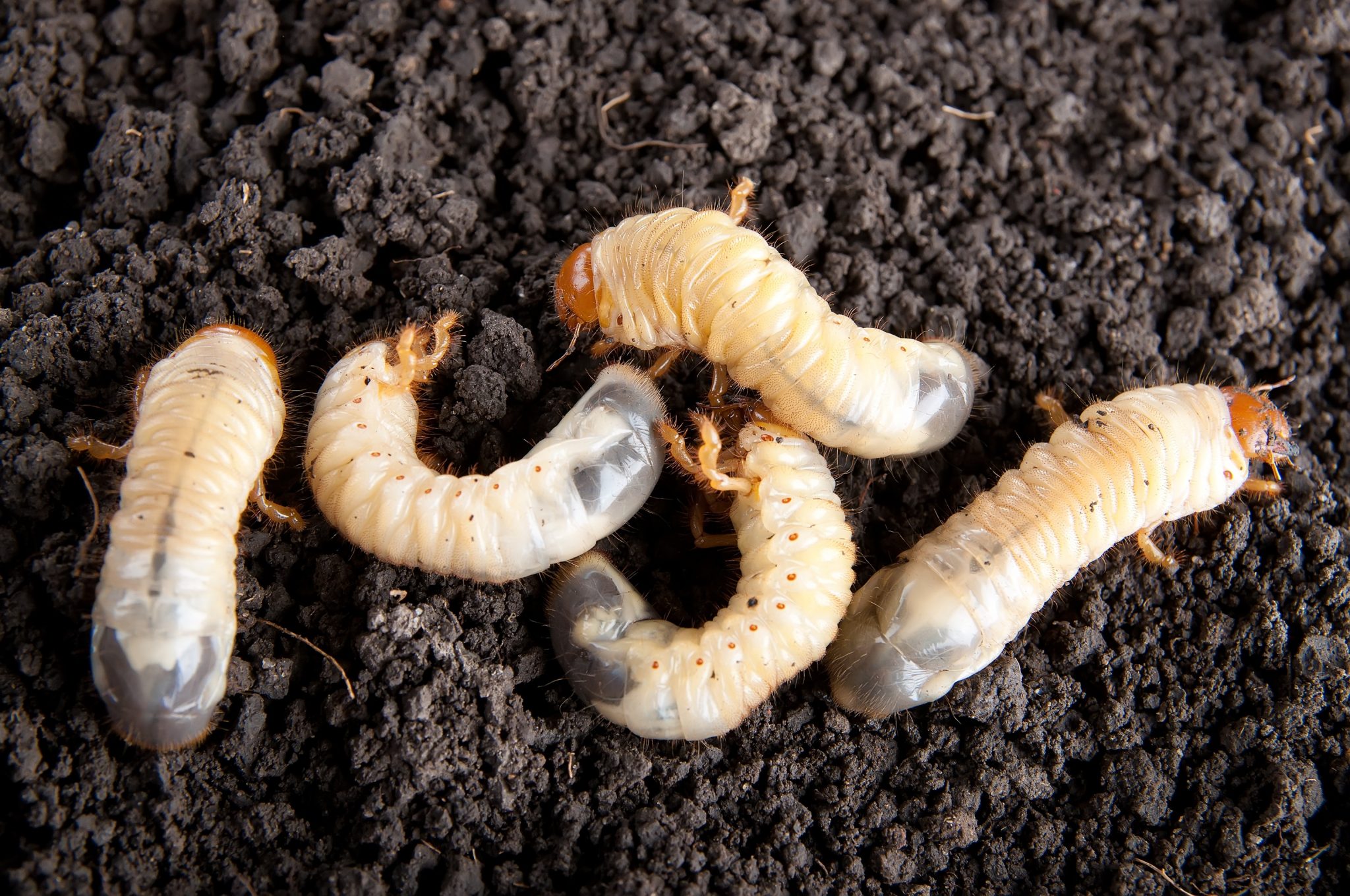
Oh no! You've been tending to your zucchini plants, dreaming of stuffed zucchini blossoms and hearty zucchini bread, only to discover something is amiss. Your plants are wilting, the stems are swollen, and a nagging suspicion tells you something's not right beneath the surface. You might be dealing with grubs in your zucchini plant stem, specifically the larvae of squash vine borers. Let's dive into what these pests are, how to identify them, and most importantly, how to combat them to save your precious zucchini crop.
Identifying Grubs in Zucchini Plant Stem: The Squash Vine Borer Culprit
The prime suspect when you find grubs tunneling in your zucchini plant stem is the squash vine borer (Melittia cucurbitae). These seemingly innocuous moths are the adult form of the destructive larvae that wreak havoc on squash plants, including zucchini, pumpkins, and gourds. Unlike many moth species, squash vine borers are active during the day, resembling wasps with their orange and black bodies. The females lay small, flat, brown eggs near the base of the plant, usually on the stem. These eggs hatch into larvae, the "grubs," that bore into the stem to feed.
Life Cycle and Damage from Squash Vine Borer Grubs
Understanding the squash vine borer's life cycle is crucial for effective control. Here's a breakdown:
- Adult Stage: Moths emerge from the soil in late spring or early summer.
- Egg Laying: Females lay eggs individually or in small groups on the stems of host plants, near the base.
- Larval Stage: Eggs hatch in about a week, and the larvae immediately bore into the stem.
- Feeding and Growth: The larvae feed inside the stem for 4-6 weeks, tunneling and disrupting the flow of water and nutrients. This is when the most significant damage occurs.
- Pupation: Once mature, the larvae exit the stem and burrow into the soil to pupate, forming a cocoon.
- Overwintering: The pupae remain in the soil over the winter, emerging as moths the following spring.
The damage caused by these grubs is quite distinctive. Here are some tell-tale signs:
- Sudden Wilting: Plants may wilt suddenly, even with adequate watering.
- Swollen Stems: The base of the stem may appear swollen or enlarged.
- Frass: You might notice a sawdust-like substance, called frass, near the base of the plant. This is the excrement of the larvae.
- Entry Holes: Small holes may be visible on the stem where the larvae have entered.
- Plant Collapse: In severe infestations, the plant may completely collapse and die.
It's devastating to witness the rapid decline of your zucchini plants, especially when you've invested time and effort in their care. Early detection and intervention are key to minimizing the damage and saving your harvest. If you notice wilting and suspect vine borers, carefully inspect the base of the stem for frass or entry holes.
Controlling Grubs Inside Zucchini Stems: A Multi-Pronged Approach
Eradicating squash vine borers requires a comprehensive strategy. No single method guarantees complete control, but combining several techniques can significantly reduce their impact. Here are some effective methods to manage grubs in zucchini plant stems:
Preventative Measures: Before the Grubs Arrive
Prevention is always better than cure. These are tactics to employ before you ever see any sign of infestation.
- Floating Row Covers: Cover your plants with floating row covers immediately after planting. This barrier prevents the moths from laying eggs on the stems. Remove the covers when the plants begin to flower to allow for pollination.
- Planting Date: Delay planting your zucchini until later in the season, after the peak emergence of squash vine borers. This can help avoid the first generation of borers.
- Resistant Varieties: While no zucchini varieties are completely immune, some are more resistant to squash vine borers. Look for varieties with thicker stems, which may be harder for the larvae to penetrate.
- Crop Rotation: Avoid planting squash family crops in the same location year after year. This can help break the life cycle of the borers.
Direct Control: Targeting the Grubs
Sometimes, despite your best efforts, the borers find their way to your plants. Here's how to handle that:
- Stem Surgery: This is a hands-on approach. Carefully slit the stem lengthwise with a sharp knife (or a dedicated set of garden clippers, such as the Fiskars Bypass Pruning Shears, 5/8-Inch Cut Capacity Garden Clippers, Gardening Scissors with Sharp, Rust Resistant Steel Blade available at https://amzn.to/4i LKbs8) near the entry hole. Gently remove the grub(s) with tweezers or a small wire. Cover the slit with moist soil to encourage root growth and help the plant recover.
- Bacillus thuringiensis (Bt) Injection: Bt is a naturally occurring bacterium that is toxic to certain insects, including squash vine borer larvae. Inject Bt directly into the stem near the entry hole using a syringe. This can kill the larvae without harming the plant.
- Insecticides: Insecticides containing pyrethroids or carbaryl can be used to control squash vine borers, but they should be used with caution, as they can also harm beneficial insects. Apply the insecticide to the base of the stem, following the label instructions carefully.
Supporting the Plant: Helping it Recover
Even after removing the grubs, your zucchini plant may be stressed. Provide extra care to help it recover.
- Watering: Water the plant deeply and regularly, especially during dry periods.
- Fertilizing: Apply a balanced fertilizer to provide the plant with the nutrients it needs to recover.
- Hilling: Mound soil around the base of the stem to encourage root growth. This can help the plant compensate for the damage caused by the borers.
Long-Term Management of Squash Vine Borers
Controlling squash vine borers is an ongoing process. Monitor your plants regularly for signs of infestation and take action as needed. Here are some long-term strategies:
- Soil Solarization: In areas with severe infestations, consider solarizing the soil in the fall to kill overwintering pupae. Cover the soil with clear plastic for several weeks during the hottest part of the year.
- Beneficial Nematodes: Apply beneficial nematodes to the soil in the spring to target squash vine borer pupae. These microscopic worms parasitize insect larvae in the soil.
- Trap Crops: Plant hubbard squash near your zucchini plants. Squash vine borers are attracted to hubbard squash, so they may lay their eggs on these plants instead of your zucchini. Remove and destroy the hubbard squash plants once they are infested.
Case Study: A Zucchini Grower's Success Story
Sarah, a home gardener in Ohio, struggled with squash vine borers for years. Her zucchini plants would always succumb to the pests, leaving her frustrated and empty-handed. After researching various control methods, she implemented a multi-pronged approach. She started by using floating row covers to protect her plants early in the season. She also diligently inspected her plants for signs of infestation and performed stem surgery whenever she found grubs. In addition, she applied beneficial nematodes to the soil. As a result, Sarah saw a significant reduction in squash vine borer damage and was able to harvest a bountiful crop of zucchini.
Conclusion: Don't Let Grubs Ruin Your Zucchini Dreams
Finding grubs inside your zucchini plant stem can be disheartening, but it doesn't have to spell doom for your garden. By understanding the squash vine borer's life cycle and implementing a combination of preventative measures and direct control methods, you can protect your zucchini plants and enjoy a successful harvest. Remember, persistence and vigilance are key to winning the battle against these pesky pests. With a little effort, you can keep those grubs at bay and relish the taste of homegrown zucchini all season long!