Have you ever looked at your zucchini plant, overflowing with summer squash, and wondered if you could use more than just the fruit? You might be surprised to learn that there's a lesser-known edible part: the stalk! Yes, that sturdy stem supporting your prolific zucchini can be a delicious addition to your kitchen creations, reducing waste and adding a unique flavor to your meals. Exploring the Edibility of Zucchini Plant Stalk Many gardeners are familiar with the delight of harvesting fresh zucchini, but few consider the potential of the zucchini plant stalk. Understanding the nutritional value, preparation techniques, and safety considerations surrounding zucchini stalks can unlock a whole new culinary dimension for your garden bounty. So, is the zucchini stalk edible? The short answer is yes, but with a few important caveats. We need to consider the age of the plant and potential bitterness. Mature zucchini stalks, especially those from older plants,...
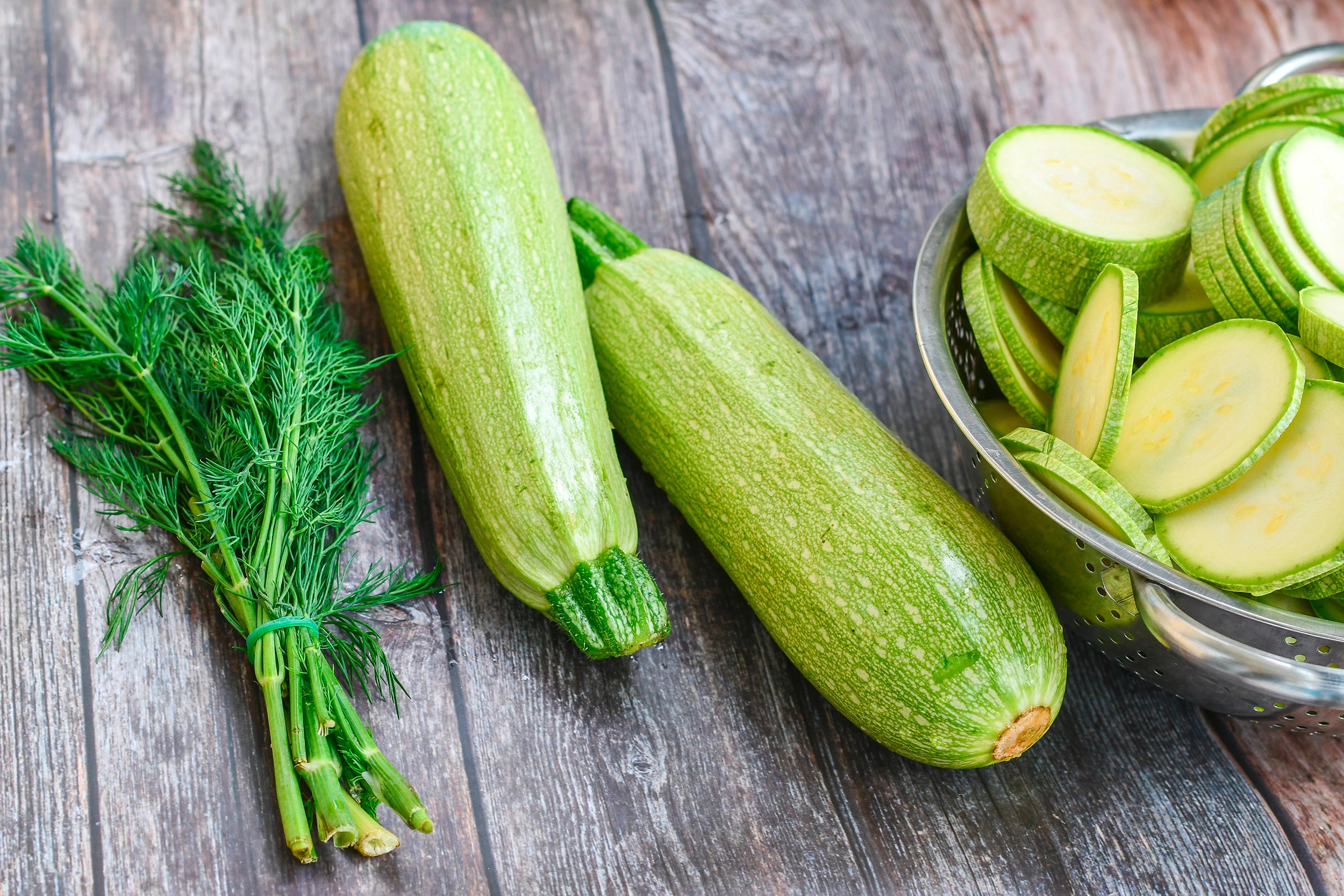
The days are getting shorter, the air crisper, and the leaves are turning vibrant shades of red, orange, and gold. Fall is undeniably in the air, but what does this mean for your zucchini plants? Believe it or not, your zucchini journey might not be over yet! While zucchini is often associated with summer gardens overflowing with produce, understanding how to manage yourzucchini plants in the fallcan lead to a surprisingly extended harvest and set you up for success next year.
Extending Your Zucchini Harvest Into Fall
Many gardeners assume zucchini season ends with the summer heat, but with the right care and a little luck, you can often extend your harvest well into the fall months. Several factors influence how long your zucchini plants will continue to produce. The first frost is a major determining factor, but even before that, cooler temperatures and shorter daylight hours can slow down growth and fruit production. However, you can take steps to mitigate these effects and squeeze out a few more delicious zucchini.
Protecting Zucchini Plants From Early Frost
The biggest threat to yourfall zucchini is frost. Even a light frost can damage or kill the plants. Here's how to protect them:
- Row Covers: These lightweight fabrics can be draped over your plants to provide a few degrees of protection against frost. Anchor the edges with soil or rocks to keep them in place.
- Cold Frames: A cold frame is a more substantial structure that can provide even better protection. You can build a simple cold frame using scrap lumber and old windows.
- Blankets or Sheets: In a pinch, you can cover your zucchini plants with blankets or sheets. Be sure to remove them during the day to allow for sunlight and airflow. Avoid using plastic directly on the plants, as it can trap moisture and lead to fungal diseases.
- Watering: Water your zucchini plants deeply before a predicted frost. Moist soil retains heat better than dry soil.
Optimizing Sunlight and Warmth for Zucchini Plants
Even without frost, cooler temperatures and shorter days can slow down zucchini production. Help your plants by:
- Mulching: Apply a thick layer of mulch around your zucchini plants to help retain soil heat. Dark-colored mulch will absorb more sunlight and radiate heat back to the plants.
- Pruning: Remove any dead or yellowing leaves to allow the plant to focus its energy on producing fruit.
- Strategic Planting: If you're starting zucchini specifically for a fall harvest, consider planting them in a location that receives full sun, preferably with some southern exposure.
Fall Zucchini Plant Care: What To Expect
Even with the best efforts, yourfall zucchini production will likely be lower than during the peak summer months. The plants are naturally slowing down as they prepare for dormancy. Here's what to expect:
- Slower Growth: The growth rate of your zucchini plants will decrease as temperatures cool.
- Smaller Fruits: The zucchini fruits may be smaller and take longer to mature.
- Fewer Flowers: You'll likely see fewer flowers developing on your plants.
- Increased Susceptibility to Disease: Cooler, wetter conditions can increase the risk of fungal diseases like powdery mildew. Maintain good air circulation around your plants and consider using organic fungicides if necessary.
It is important to monitor your plants for pests and diseases more frequently. In the fall, pests may seek refuge in your garden as other food sources dwindle.
I find that keeping my gardening tools clean and sharp helps in keeping the garden healthy. These sharp gardening scissors with rust-resistant steel blades make it easy to get rid of dead leaves and flowers during the fall season: https://amzn.to/4i LKbs8.
Preparing Zucchini Plants for Winter
If you're not able to extend your harvest significantly, or if you're just ready to put your garden to bed for the winter, it's important to prepare yourzucchini plants for winter. Zucchini are annual plants, meaning they complete their life cycle in one year and don't survive the winter. However, proper preparation can improve your soil and set you up for success next spring.
Removing and Composting Zucchini Plants
Once your zucchini plants have stopped producing and are killed by frost, it's time to remove them from the garden. Cut the plants off at the base and remove the foliage. You can compost the plants, but be sure to check for any signs of disease. If your plants were affected by powdery mildew or other fungal diseases, it's best to dispose of them in the trash to prevent the disease from spreading. The roots can be left in the ground to decompose, enriching the soil.
Soil Preparation After Zucchini Plants
After removing your zucchini plants, it's a good time to amend the soil. Zucchini plants are heavy feeders, so they can deplete the soil of nutrients. Add compost, aged manure, or other organic matter to replenish the soil. You can also add a slow-release fertilizer. If you plan to plant zucchini in the same location next year, consider practicing crop rotation. Planting a different type of vegetable in that spot can help prevent soilborne diseases and improve soil health.
- Amendments: Compost, manure, leaf mold
- Consider Cover Crops: Planting a cover crop like rye or oats can help improve soil structure and prevent erosion over the winter.
Fall Zucchini Planting: Starting Fresh?
While most gardeners think of zucchini as a spring or early summer planting, in warmer climates with longer growing seasons, you might be able to start newzucchini plants in fall for a late-season harvest. This is particularly true in regions with mild winters where frost is rare or infrequent.
Choosing the Right Variety for Fall Planting
If you're planning a fall zucchini planting, choose a variety that matures quickly. Look for varieties labeled as "early" or "bush" types, as these tend to produce fruit sooner. Some good options include:
- Black Beauty
- Early Crookneck
- Spacemiser
Planting and Care for Fall Zucchini
The planting and care for fall zucchini are similar to spring zucchini, but there are a few key differences:
- Timing: Plant your seeds or transplants early enough in the fall to allow for sufficient growing time before the first frost. Check the seed packet for the maturity date of the variety you've chosen and count backwards from your average first frost date.
- Location: Choose a location that receives full sun and is protected from wind.
- Watering: Water your zucchini plants regularly, especially during dry periods.
- Fertilizing: Fertilize your zucchini plants with a balanced fertilizer every few weeks.
- Pest Control: Monitor your plants for pests and diseases and take action as needed.
Troubleshooting Common Problems with Fall Zucchini
Even with careful planning and care, you may encounter some challenges when growingzucchini in the fall. Here are some common problems and how to address them:
Powdery Mildew
Powdery mildew is a fungal disease that can affect zucchini plants in the fall, especially in humid conditions. It appears as a white, powdery coating on the leaves. To prevent powdery mildew, ensure good air circulation around your plants and avoid overhead watering. If powdery mildew does appear, you can treat it with organic fungicides like neem oil or copper fungicide.
Squash Bugs and Squash Vine Borers
These pests can still be active in the fall, especially in warmer climates. Squash bugs suck the sap from the leaves, while squash vine borers burrow into the stems of the plants. Regularly inspect your plants for these pests and take action as needed. Handpicking squash bugs and their eggs can be effective. For squash vine borers, you can try injecting Bt (Bacillus thuringiensis) into the stems.
Lack of Pollination
Cooler temperatures and shorter days can reduce pollinator activity, which can lead to poor fruit set. If you're not seeing many bees or other pollinators around your zucchini plants, you may need to hand-pollinate the flowers. To hand-pollinate, use a small paintbrush to transfer pollen from the male flowers (which have a long, thin stem) to the female flowers (which have a small zucchini fruit at the base).
Fact: Hand-pollinating Zucchini Flowers
Hand-pollinating zucchini flowers involves identifying the male and female flowers. The male flower has a stamen covered in pollen, while the female flower has a small zucchini fruit behind it. Use a small brush to collect pollen from the male flower and gently brush it onto the stigma of the female flower. This is best done in the morning when the flowers are open. Repeat this process for several female flowers to ensure good pollination.
While fall may signal the end of the growing season for many vegetables, with a little effort, you can often extend your zucchini harvest and enjoy fresh zucchini well into the cooler months. By protecting your plants from frost, optimizing sunlight and warmth, and addressing common problems, you can maximize yourzucchini production in the fall and savor the delicious taste of homegrown zucchini for a little bit longer.