Have you ever looked at your zucchini plant, overflowing with summer squash, and wondered if you could use more than just the fruit? You might be surprised to learn that there's a lesser-known edible part: the stalk! Yes, that sturdy stem supporting your prolific zucchini can be a delicious addition to your kitchen creations, reducing waste and adding a unique flavor to your meals. Exploring the Edibility of Zucchini Plant Stalk Many gardeners are familiar with the delight of harvesting fresh zucchini, but few consider the potential of the zucchini plant stalk. Understanding the nutritional value, preparation techniques, and safety considerations surrounding zucchini stalks can unlock a whole new culinary dimension for your garden bounty. So, is the zucchini stalk edible? The short answer is yes, but with a few important caveats. We need to consider the age of the plant and potential bitterness. Mature zucchini stalks, especially those from older plants,...
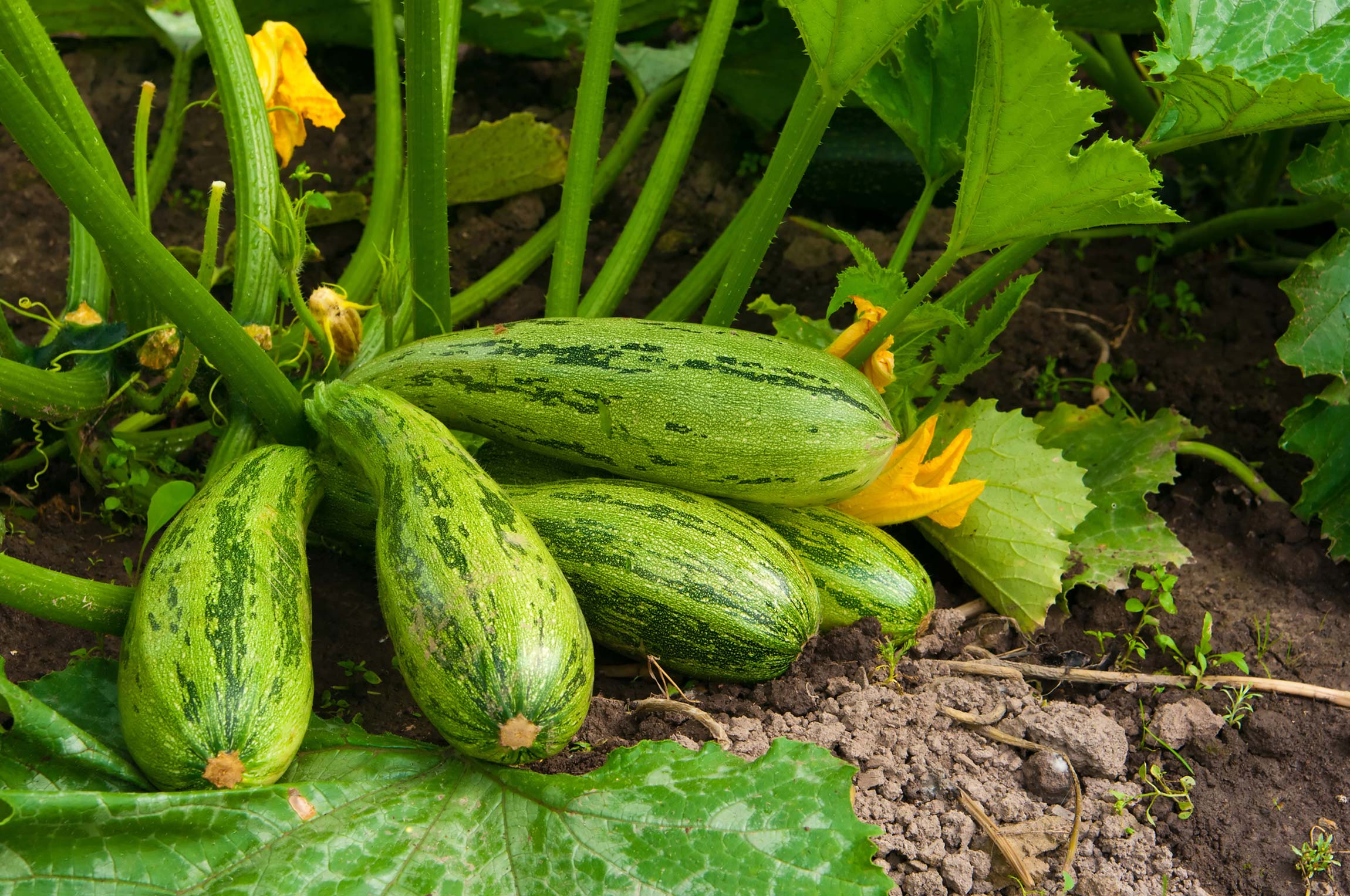
You've nurtured your zucchini plants, eagerly awaiting the day you can harvest those plump, green beauties. You've watered, fertilized, and diligently guarded against pests. Yet, something's amiss – your zucchini plants are bursting with healthy foliage and maybe even a few male flowers, but where are the female flowers that will actually turn into zucchinis? Let's delve into the common reasons why zucchini plants might not be producing female flowers and what you can do to encourage those precious blossoms.
Understanding Zucchini Flower Biology
Before we troubleshoot, let's quickly review zucchini flower anatomy. Zucchini plants are monoecious, meaning they produce separate male and female flowers on the same plant. This is crucial to understanding why you might be experiencing a lack of female flowers. Male flowers grow on long, thin stems and are primarily responsible for producing pollen. Female flowers, on the other hand, have a small, immature zucchini fruit (the ovary) at the base of the flower. This tiny zucchini is your future harvest! Pollination occurs when pollen from a male flower is transferred to a female flower, triggering fruit development. If there are no female flowers, there's nothing to pollinate, and therefore, no zucchinis!
Common Reasons for Zucchini Plants Not Producing Female Flowers
Several factors can influence the ratio of male to female flowers on your zucchini plants. It's often a combination of these factors, rather than a single cause, that's responsible for the issue. Here's a breakdown of the most common culprits:
Temperature Fluctuations
Temperature plays a significant role in zucchini flower production. Zucchini plants prefer consistent warmth, ideally between 65°F and 75°F during the day. Drastic temperature swings, especially prolonged periods of cool weather or sudden heat waves, can stress the plant and cause it to favor male flower production over female flowers. This is because male flowers are less energy-intensive for the plant to produce. If temperatures are consistently below 60°F or above 90°F, female flower production may be significantly reduced or even completely inhibited.
Consider using row covers to protect your plants from sudden temperature changes, especially during early spring or late summer.
Plant Maturity
Young zucchini plants tend to produce more male flowers initially. This is a natural part of their development. The plant is focusing on establishing itself and producing pollen before it puts energy into fruit production. As the plant matures, it will typically begin to produce more female flowers. Be patient! It might just be a matter of time. Usually, plants start bearing female flowers after a couple of weeks.
Nutrient Imbalances
An imbalance of nutrients can significantly impact flower production. Too much nitrogen, for example, can encourage excessive foliage growth at the expense of flower development. Zucchini plants need a balanced fertilizer with adequate levels of phosphorus and potassium to promote flowering and fruiting. Phosphorus is particularly important for flower formation.
Nitrogen (N): Promotes leafy growth. Phosphorus (P): Encourages flowering and root development. Potassium (K):Contributes to overall plant health and fruit production.
Consider a soil test to determine the nutrient levels in your soil. Amend your soil with a balanced fertilizer or a fertilizer specifically formulated for flowering vegetables.*
Inadequate Sunlight
Zucchini plants are sun-worshippers! They need at least 6-8 hours of direct sunlight each day to thrive and produce an abundance of flowers. Insufficient sunlight can weaken the plant, reduce flower production, and even cause existing flowers to drop off. If your zucchini plants are shaded by other plants or structures, consider relocating them to a sunnier spot or pruning surrounding vegetation to improve light penetration. If you're gardening in a particularly shady area, you might also want to think about varieties that are bred to tolerate more shade.
Check sunlight exposure throughout the day to identify any potential shading issues.*
Poor Pollination
While this isn't directly related to the absence of female flowers, it's worth mentioning. Even if you have female flowers, poor pollination can prevent them from developing into zucchinis. Bees are the primary pollinators of zucchini flowers, so encouraging bee activity in your garden is crucial. Avoid using pesticides that can harm pollinators. If you're seeing plenty of bees but still experiencing poor fruit set, you may need to hand-pollinate the flowers yourself. Hand pollination is easy to do. Use a small brush or even a cotton swab to transfer pollen from the male flower to the stigma of the female flower.
Consider planting bee-friendly flowers around your zucchini plants to attract more pollinators.
Plant Variety
Some zucchini varieties are simply more prone to producing male flowers early in the season. Research the specific variety you're growing to understand its flowering habits. Some varieties may be more suited to your local climate and growing conditions. If you have tried different growing tips with not much difference, consider trying a different variety next season.
Watering Practices
Inconsistent watering can stress zucchini plants and affect flower production. Zucchini plants need consistent moisture, especially during hot weather. Water deeply and regularly, aiming for about 1-2 inches of water per week. Avoid overhead watering, as this can promote fungal diseases. Using mulch around the base of the plants can help retain moisture and regulate soil temperature.
Pests and Diseases
Pests and diseases can weaken zucchini plants and reduce flower production. Squash bugs, squash vine borers, and powdery mildew are common problems that can affect zucchini plants. Inspect your plants regularly for signs of pests or diseases and take appropriate action to control them. Regularly monitor the leaves for pests like aphids or squash bugs. Use organic pest control methods when possible to avoid harming beneficial insects.
Encouraging Female Flower Production
Now that we've identified the potential causes, let's explore some strategies to encourage your zucchini plants to produce more female flowers:
Maintain Consistent Temperatures: Use row covers or cloches to protect your plants from temperature fluctuations, especially during early spring or late fall. Ensure Adequate Sunlight: Plant your zucchini in a location that receives at least 6-8 hours of direct sunlight each day. Balance Nutrients: Amend your soil with a balanced fertilizer or a fertilizer specifically formulated for flowering vegetables. Avoid over-fertilizing with nitrogen. Water Consistently: Water deeply and regularly, aiming for about 1-2 inches of water per week. Use mulch to retain moisture. Attract Pollinators: Plant bee-friendly flowers around your zucchini plants to attract more pollinators. Hand Pollinate: If you're seeing female flowers but not getting fruit set, hand-pollinate the flowers yourself. Be Patient:Remember that young zucchini plants tend to produce more male flowers initially. As the plant matures, it will typically begin to produce more female flowers.
Taking care of your garden tools is a must when tending to your plants. For trimming and pruning, consider using sharp and reliablegardening shears like the Fiskars Bypass Pruning Shears, 5/8-Inch Cut Capacity Garden Clippers. They feature rust-resistant steel blades which make gardening effortless. You can find it here: https://amzn.to/4i LKbs8.
When to Seek Further Help
If you've tried all of these strategies and your zucchini plants are still not producing female flowers, it's possible there may be a more complex issue at play. Consider consulting with a local gardening expert or your local county extension office. They can provide more specific advice based on your local climate and growing conditions. Also, it might be that your plant is diseased, and might not recover. Consider purchasing a new plant from your local garden shop.
Conclusion
Zucchini plants not producing female flowers can be frustrating, but by understanding the factors that influence flower production and implementing the strategies outlined above, you can increase your chances of a bountiful harvest. Remember to be patient, observe your plants carefully, and adjust your gardening practices as needed. With a little effort, you'll be enjoying fresh, homegrown zucchinis in no time!