Have you ever looked at your zucchini plant, overflowing with summer squash, and wondered if you could use more than just the fruit? You might be surprised to learn that there's a lesser-known edible part: the stalk! Yes, that sturdy stem supporting your prolific zucchini can be a delicious addition to your kitchen creations, reducing waste and adding a unique flavor to your meals. Exploring the Edibility of Zucchini Plant Stalk Many gardeners are familiar with the delight of harvesting fresh zucchini, but few consider the potential of the zucchini plant stalk. Understanding the nutritional value, preparation techniques, and safety considerations surrounding zucchini stalks can unlock a whole new culinary dimension for your garden bounty. So, is the zucchini stalk edible? The short answer is yes, but with a few important caveats. We need to consider the age of the plant and potential bitterness. Mature zucchini stalks, especially those from older plants,...
Have you ever planted a zucchini seed, blinked, and suddenly found yourself swimming in more zucchini than you know what to do with? You're not alone! Many gardeners find themselves overwhelmed by the sheer abundance of this summer squash. But what exactly makes zucchini plants so prolific? Let's dive into the fascinating reasons behind this garden phenomenon.
Understanding Why Zucchini Plants Are So Prolific
The prolific nature of zucchini plants boils down to a combination of factors, from their inherent biology to their relatively easy-going needs. They’re practically designed to produce an enormous yield, often leaving gardeners scrambling for creative zucchini recipes. Let's break down the key reasons why zucchini plants are such abundant producers.
The Biology of a Bountiful Harvest
Zucchini belongs to the Cucurbita pepospecies, which also includes pumpkins and certain types of squash. This family is known for its vigorous growth and high productivity. Several biological factors contribute to the zucchini’s impressive output:
- Monoecious Nature: Zucchini plants are monoecious, meaning they have separate male and female flowers on the same plant. This ensures a high probability of pollination. The male flowers are responsible for producing pollen, while the female flowers, identifiable by a small immature fruit at their base, require pollination to develop into a zucchini.
- Abundant Flowers: A healthy zucchini plant produces a profusion of both male and female flowers throughout the growing season. This constant stream of flowers translates to a continuous potential for fruit production.
- Rapid Growth: Zucchini plants grow rapidly. Once a female flower is pollinated, the fruit can mature and be ready for harvest within just a few days. This quick turnaround allows for multiple harvests from a single plant over the summer.
Environmental Factors Contributing to Zucchini Prolificness
Beyond its innate biology, zucchini thrives in conditions that are relatively easy to provide. This contributes greatly to its overall productivity. Some key environmental elements that fuel its growth include:
- Sunlight: Zucchini plants are sun-worshippers. They require at least 6-8 hours of direct sunlight each day to thrive. Ample sunlight fuels photosynthesis, providing the energy the plant needs to produce an abundance of fruit.
- Water: These plants are thirsty! Consistent and adequate watering is crucial, especially during hot summer months. Insufficient water can stress the plant, reducing fruit production and potentially leading to blossom end rot.
- Nutrient-Rich Soil: Zucchini plants are heavy feeders, meaning they require a soil rich in organic matter and essential nutrients. Soil amended with compost or well-rotted manure provides the necessary foundation for vigorous growth and prolific fruit production.
- Warm Temperatures: Zucchini plants are sensitive to frost and thrive in warm temperatures. The ideal temperature range for growth is between 65°F and 75°F. Warmer temperatures promote rapid growth and fruit development.
Cultivation Practices That Enhance Prolific Zucchini Production
Even with the right environment, a little extra care can significantly boost your zucchini harvest. Here are some helpful cultivation tips:
- Starting Seeds Indoors: Starting seeds indoors a few weeks before the last expected frost gives your plants a head start. This allows for an earlier harvest and a longer growing season.
- Proper Spacing: Give your zucchini plants plenty of space to grow. Crowded plants compete for resources, which can limit fruit production. A general guideline is to space plants 2-3 feet apart.
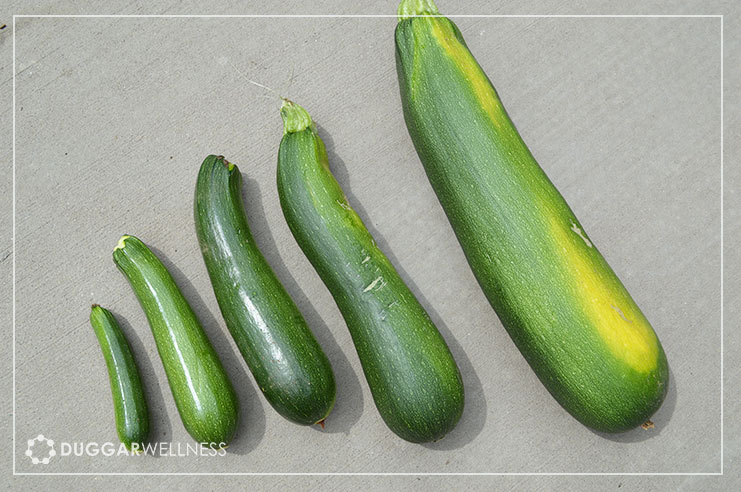
- Regular Harvesting: Harvesting zucchini regularly encourages the plant to produce more fruit. Allowing zucchini to grow too large signals the plant to slow down production, as its primary goal of seed production has been met. Aim to harvest zucchini when they are 6-8 inches long.
- Pollination Assistance: While zucchini plants are generally self-pollinating, you can manually pollinate the flowers to ensure a good fruit set, especially if you notice a lack of bees or other pollinators in your garden. Use a small paintbrush to transfer pollen from the male flowers to the female flowers.
- Pest and Disease Management: Keep an eye out for common zucchini pests and diseases, such as squash vine borers, squash bugs, and powdery mildew. Implement preventative measures, such as crop rotation and proper watering techniques, to minimize problems.
What About Different Zucchini Varieties?
While the Cucurbita pepospecies shares the prolific tendency, different zucchini varieties can exhibit slightly different levels of productivity. Some popular and high-yielding varieties include Black Beauty, Costata Romanesco, and Early Crookneck. Consider experimenting with different varieties to find one that thrives in your specific climate and garden conditions.
To keep your zucchini plants in top shape and ensure a bountiful harvest, consider using high-quality pruning shears like theFiskars Bypass Pruning Shears, with their sharp, rust-resistant steel blades. These garden clippers make harvesting and pruning a breeze! You can find them here:https://amzn.to/4i LKbs8
Managing the Zucchini Abundance
Once you’ve unlocked the secret to prolific zucchini production, the next challenge becomes managing the abundance! Here are a few tips for dealing with a zucchini surplus:
- Share with Neighbors and Friends: Zucchini makes a great gift! Share your bounty with friends, family, and neighbors.
- Donate to Food Banks: Local food banks are often happy to accept donations of fresh produce, including zucchini.
- Preserve Your Harvest: There are many ways to preserve zucchini for later use, including freezing, pickling, and making zucchini bread.
- Get Creative in the Kitchen: Explore different zucchini recipes, from savory dishes like zucchini fritters and zucchini noodles to sweet treats like zucchini muffins and zucchini cake.
Conclusion: Embrace the Zucchini Bounty!
The prolific nature of zucchini plants is a testament to their biological design, environmental adaptability, and responsiveness to proper care. While managing the abundance can be a challenge, it's a testament to your successful gardening efforts. By understanding the factors that contribute to zucchini's prolificness, you can optimize your growing practices and enjoy a bountiful harvest all summer long. So, embrace the zucchini bounty and get creative in the kitchen!