Have you ever looked at your zucchini plant, overflowing with summer squash, and wondered if you could use more than just the fruit? You might be surprised to learn that there's a lesser-known edible part: the stalk! Yes, that sturdy stem supporting your prolific zucchini can be a delicious addition to your kitchen creations, reducing waste and adding a unique flavor to your meals. Exploring the Edibility of Zucchini Plant Stalk Many gardeners are familiar with the delight of harvesting fresh zucchini, but few consider the potential of the zucchini plant stalk. Understanding the nutritional value, preparation techniques, and safety considerations surrounding zucchini stalks can unlock a whole new culinary dimension for your garden bounty. So, is the zucchini stalk edible? The short answer is yes, but with a few important caveats. We need to consider the age of the plant and potential bitterness. Mature zucchini stalks, especially those from older plants,...
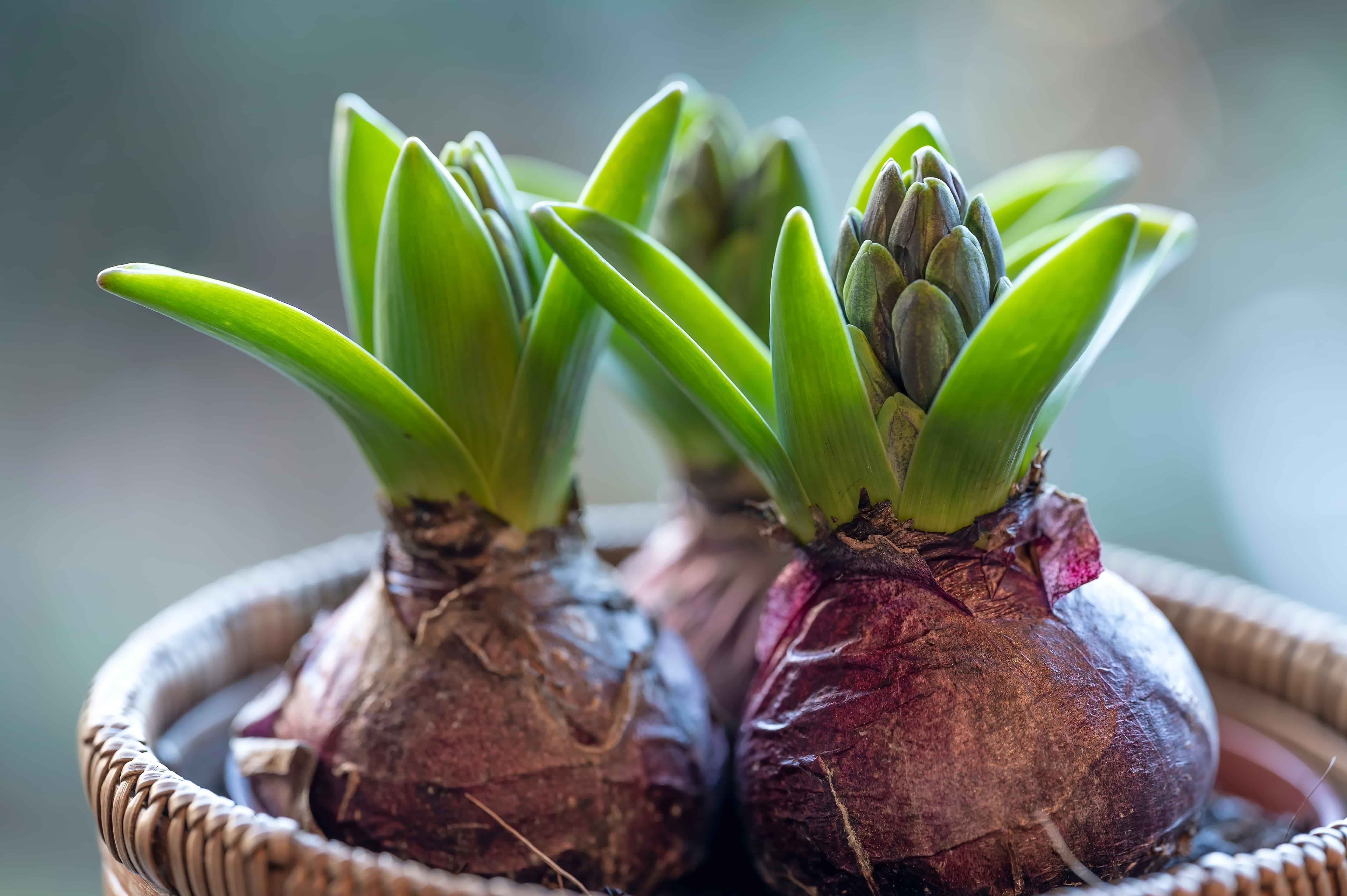
There's nothing quite like biting into a fresh zucchini, still warm from the sun, knowing you grew it yourself. But getting to that point requires careful planning, especially when it comes to timing. Planting zucchini seedlings at the right time can be the difference between a bountiful harvest and a disappointing yield. So, when exactlyisthe right time?
The Golden Rule: Wait for Warmth
The most crucial factor in determining when to plant your zucchini seedlings is the weather. Zucchini are warm-season vegetables, meaning they thrive in warm soil and air temperatures. They are extremely sensitive to frost, and even a light frost can damage or kill young plants. Don't rush the process – patience is key to a successful zucchini harvest!
When to Plant Zucchini Seedlings: Understanding Your Climate
The ideal time to transplant zucchini seedlings depends heavily on your specific climate and the last expected frost date in your area. Here's a breakdown of what to consider:
Knowing Your Last Frost Date
Thelast frost date is the average date when the last frost of spring is expected to occur. This date is crucial for gardeners because it signals when it's generally safe to plant frost-sensitive plants like zucchini. You can usually find this information from your local agricultural extension office, weather service, or online gardening resources by searching your zip code. A general estimate for many temperate climates is late spring, often around*May or June, but don't rely on that alone – check your local data!
Planting zucchini seedlings before the last frost date is risky. If a late frost does occur, you'll need to protect your seedlings with row covers, blankets, or other protective measures. These protective measures are to preserve the heat during the evening.
Soil Temperature is Key
While the air temperature is important, thesoil temperature is even more critical for zucchini seedlings. Zucchini seeds germinate best when the soil temperature is consistently above60°F (15°C). Ideally, you'll want the soil to be closer to 70°F (21°C)for optimal growth. A soil thermometer is an inexpensive and valuable tool for any gardener. Insert the thermometer into the soil at the depth where you'll be planting the seedlings (usually a few inches) and check the temperature over several days to get an accurate reading.
If your soil is still too cold, you can warm it up by using black plastic mulch. Lay the mulch over the planting area a few weeks before you plan to transplant your seedlings. The black plastic will absorb sunlight and help to raise the soil temperature. Remove the mulch before planting to allow the soil to breathe. Don't forget that soil drainage is also important. Plant zucchini in well-drained soil rich in organic matter.
Direct Sowing vs. Transplanting Seedlings
While this article focuses on transplanting seedlings, it's worth briefly mentioning direct sowing. With direct sowing, you plant the zucchini seeds directly into the ground. This method is generally preferred by some gardeners because it avoids the potential for transplant shock. However, it also means that the seeds are exposed to the elements for longer, and the plants may take longer to mature. Therefore, it might be beneficial to grow your own seedlings indoors before transplanting them.
Pros and Cons of Each Method
Here's a quick comparison of direct sowing vs. transplanting seedlings:
-
Direct Sowing:
- Pros: No transplant shock, less work initially.
- Cons: Longer time to harvest, seeds vulnerable to pests and weather, requires warmer soil temperatures.
-
Transplanting Seedlings:
- Pros: Earlier harvest, better control over growing conditions, seedlings are less vulnerable to pests.
- Cons: Risk of transplant shock, requires more initial effort.
Preparing Your Zucchini Seedlings for Transplanting
Before you transplant your zucchini seedlings, it's important to harden them off.Hardening off is the process of gradually acclimating your seedlings to outdoor conditions. This helps them to adjust to the sun, wind, and temperature fluctuations. Start by placing your seedlings outdoors in a sheltered location for a few hours each day, gradually increasing the amount of time they spend outside over the course of a week or two. This process reduces the risk of transplant shock and ensures that your seedlings are strong enough to thrive in the garden.
Choose a cloudy day for transplanting, if possible, to further reduce the stress on the seedlings. Water the seedlings thoroughly before and after transplanting.
What About Growing Zucchini in Containers?
Growing zucchini in containers is possible, especially if you're limited on space. However, it's important to choose a large container (at least 24 inches in diameter) and use a high-quality potting mix. Container-grown zucchini may need more frequent watering and fertilizing than those grown in the ground. The same timing principles apply – wait for warm weather and soil temperatures before transplanting your seedlings into containers.
Remember to provide support for the zucchini plant as it grows, especially if you're growing a vining variety. A trellis or stake can help to keep the plant upright and prevent the fruit from resting on the soil.
Troubleshooting Common Problems After Transplanting
Even with careful planning, problems can sometimes arise after transplanting zucchini seedlings. Here are a few common issues and how to address them:
- Transplant Shock: Seedlings may wilt or appear stunted for a few days after transplanting. Keep the soil consistently moist (but not waterlogged) and provide shade if necessary.
- Pests: Squash bugs, squash vine borers, and aphids are common zucchini pests. Inspect your plants regularly and take action promptly if you see any signs of infestation. This is where a quality pair of garden clippers comes in handy for removing damaged or infested foliage. You can keep your garden in great shape with the Fiskars Bypass Pruning Shears, a useful tool for garden maintenance. Its sharp, rust-resistant steel blade makes cutting stems and branches a breeze. Get yours today: https://amzn.to/4i LKbs8.
- Diseases: Powdery mildew and blossom end rot are common zucchini diseases. Ensure good air circulation around the plants and avoid overhead watering. Consider using disease-resistant varieties.
In conclusion, timing is everything when it comes to planting zucchini seedlings.
By paying attention to your local climate, soil temperature, and the needs of your seedlings, you can greatly increase your chances of a successful and bountiful zucchini harvest. So, get out there, get your hands dirty, and enjoy the fruits (or rather, vegetables) of your labor!