Have you ever looked at your zucchini plant, overflowing with summer squash, and wondered if you could use more than just the fruit? You might be surprised to learn that there's a lesser-known edible part: the stalk! Yes, that sturdy stem supporting your prolific zucchini can be a delicious addition to your kitchen creations, reducing waste and adding a unique flavor to your meals. Exploring the Edibility of Zucchini Plant Stalk Many gardeners are familiar with the delight of harvesting fresh zucchini, but few consider the potential of the zucchini plant stalk. Understanding the nutritional value, preparation techniques, and safety considerations surrounding zucchini stalks can unlock a whole new culinary dimension for your garden bounty. So, is the zucchini stalk edible? The short answer is yes, but with a few important caveats. We need to consider the age of the plant and potential bitterness. Mature zucchini stalks, especially those from older plants,...
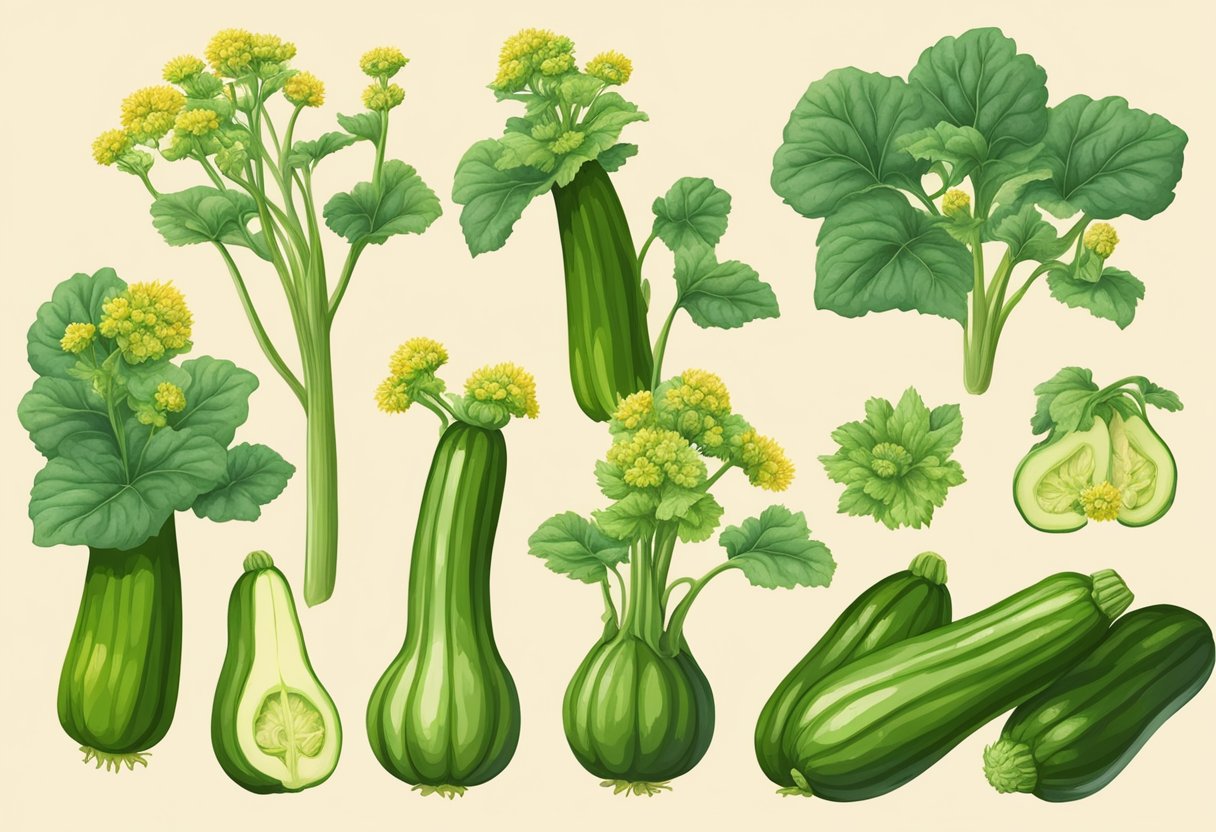
California's sunshine practically begs us to get out in the garden! And what's more rewarding than harvesting your own plump, juicy zucchini? But before you rush out with your seeds, timing is everything. Let's dive into the ideal planting window for zucchinis in the Golden State.
When is the Right Time to Plant Zucchini in California?
Figuring out when to plant zucchini in California depends heavily on where you live. California is a huge state with diverse microclimates, ranging from the cool coastal regions to the hot inland valleys and mountainous areas. Zucchinis are warm-weather crops and are very sensitive to frost. They need soil temperatures to be consistently above 60°F (16°C) to germinate and thrive. Planting too early risks stunted growth, or worse, a complete failure of your crop. Therefore, understanding your local climate and average last frost date is paramount for a successful zucchini harvest. Let's break down the ideal planting times by region.
Planting Zucchinis in Southern California
Southern California boasts a relatively mild climate, giving gardeners a longer growing season. You can typically start planting zucchini seeds directly into the garden around*March or April, once the danger of frost has passed. In coastal areas, you might even get away with planting a bit earlier, perhaps late February, if the weather is unusually warm. However, inland areas should stick to March or later to avoid any late-season cold snaps. You can also start seeds indoors 2-3 weeks before the last expected frost and transplant them into the garden once the soil has warmed up.
One important factor in Southern California is the summer heat. While zucchinis love the sun, extreme heat can cause blossom drop, reducing your harvest. Consider planting in a location that receives some afternoon shade, especially in the hottest parts of the summer. Selecting heat-tolerant varieties can also help to mitigate this issue. Regularly watering, especially during heat waves, is also crucial for maintaining a healthy and productive zucchini plant.
Optimal Zucchini Planting Time in Central California
Central California experiences a more distinct seasonality than Southern California, with cooler winters and warmer summers. The ideal time to plant zucchinis in this region is generally from*April to June. Coastal areas of Central California may allow for slightly earlier planting, while inland valleys should wait until late April or early May to ensure the soil is sufficiently warm. Similar to Southern California, starting seeds indoors is a viable option, allowing you to get a head start on the growing season.
Keep an eye on the local weather forecast and be prepared to protect your plants from any unexpected late frosts. Using row covers or blankets can provide temporary protection for young zucchini plants. Another important consideration in Central California is adequate irrigation. The long, dry summers require consistent watering to keep zucchini plants healthy and productive. Drip irrigation is an excellent way to deliver water directly to the roots, minimizing water waste and promoting strong growth.
Best Time to Plant Zucchinis in Northern California
Northern California generally has the shortest growing season in the state due to its cooler temperatures and higher elevation. The best time to plant zucchinis in Northern California is typically fromMay to July. In some of the higher elevation areas, you might even need to wait until early June to avoid the risk of frost. Starting seeds indoors is particularly beneficial in Northern California, allowing you to maximize the available growing season.
When transplanting zucchini seedlings into the garden, choose a sunny location that is sheltered from strong winds. The cooler temperatures in Northern California can slow down growth, so providing adequate sunlight and protection from the elements is essential. Mulching around the plants can also help to retain soil moisture and suppress weed growth. Consider using dark-colored mulch to help warm the soil in the cooler regions of Northern California. Keep in mind that proper soil preparation is crucial for success. Amend the soil with compost or other organic matter to improve drainage and fertility.
Factors Influencing When to Plant Your Zucchinis
Beyond the general regional guidelines, several other factors can influence the best time to plant your zucchinis:
- Soil Temperature: As mentioned earlier, soil temperature is a key indicator. Use a soil thermometer to check the temperature before planting. Ideally, the soil should be consistently above 60°F (16°C) at a depth of 4 inches.
- Microclimate: Even within a region, microclimates can vary significantly. A south-facing garden that is protected from the wind will warm up faster than a north-facing garden. Pay attention to the specific conditions in your yard and adjust your planting schedule accordingly.
- Variety of Zucchini: Some zucchini varieties are more cold-tolerant than others. Check the seed packet or plant label for information on the specific variety you are growing. Look for varieties that are known to perform well in your region.
- Weather Forecast: Keep a close eye on the weather forecast for any unexpected cold snaps. Be prepared to protect your plants with row covers or blankets if temperatures are predicted to drop below freezing.
Tips for a Successful Zucchini Harvest
Planting at the right time is just the first step. Here are a few tips to help you ensure a bountiful zucchini harvest:
- Prepare the Soil: Zucchinis thrive in rich, well-drained soil. Amend the soil with compost or other organic matter before planting. This will improve drainage, fertility, and water retention.
- Provide Adequate Sunlight: Zucchinis need at least 6-8 hours of sunlight per day. Choose a sunny location in your garden.
- Water Regularly: Zucchinis need consistent watering, especially during hot, dry weather. Water deeply and infrequently, rather than shallowly and frequently.
- Fertilize: Zucchinis are heavy feeders. Fertilize regularly with a balanced fertilizer or compost tea.
- Pest and Disease Control: Keep an eye out for common zucchini pests and diseases, such as squash vine borers and powdery mildew. Take preventative measures and treat problems promptly.
- Harvest Regularly: Harvest zucchinis when they are young and tender, about 6-8 inches long. Regular harvesting encourages the plant to produce more fruit. Overgrown zucchinis can become tough and seedy.
Proper pruning is another way to ensure the health of your zucchini. You can easily maintain your garden with the help of reliable tools such as the Fiskars Bypass Pruning Shears, which have a 5/8-inch cut capacity. These durable garden clippers with their sharp, rust-resistant steel blade are ideal for snipping away unwanted leaves and stems, encouraging better airflow and plant growth. Get your own dependable gardening scissor here: https://amzn.to/4i LKbs8.
Conclusion
Knowing when to plant zucchinis in California requires understanding your local climate and considering various factors that can influence plant growth. By following these guidelines and providing proper care, you can enjoy a plentiful harvest of delicious zucchinis from your own garden. Happy gardening!