Have you ever looked at your zucchini plant, overflowing with summer squash, and wondered if you could use more than just the fruit? You might be surprised to learn that there's a lesser-known edible part: the stalk! Yes, that sturdy stem supporting your prolific zucchini can be a delicious addition to your kitchen creations, reducing waste and adding a unique flavor to your meals. Exploring the Edibility of Zucchini Plant Stalk Many gardeners are familiar with the delight of harvesting fresh zucchini, but few consider the potential of the zucchini plant stalk. Understanding the nutritional value, preparation techniques, and safety considerations surrounding zucchini stalks can unlock a whole new culinary dimension for your garden bounty. So, is the zucchini stalk edible? The short answer is yes, but with a few important caveats. We need to consider the age of the plant and potential bitterness. Mature zucchini stalks, especially those from older plants,...
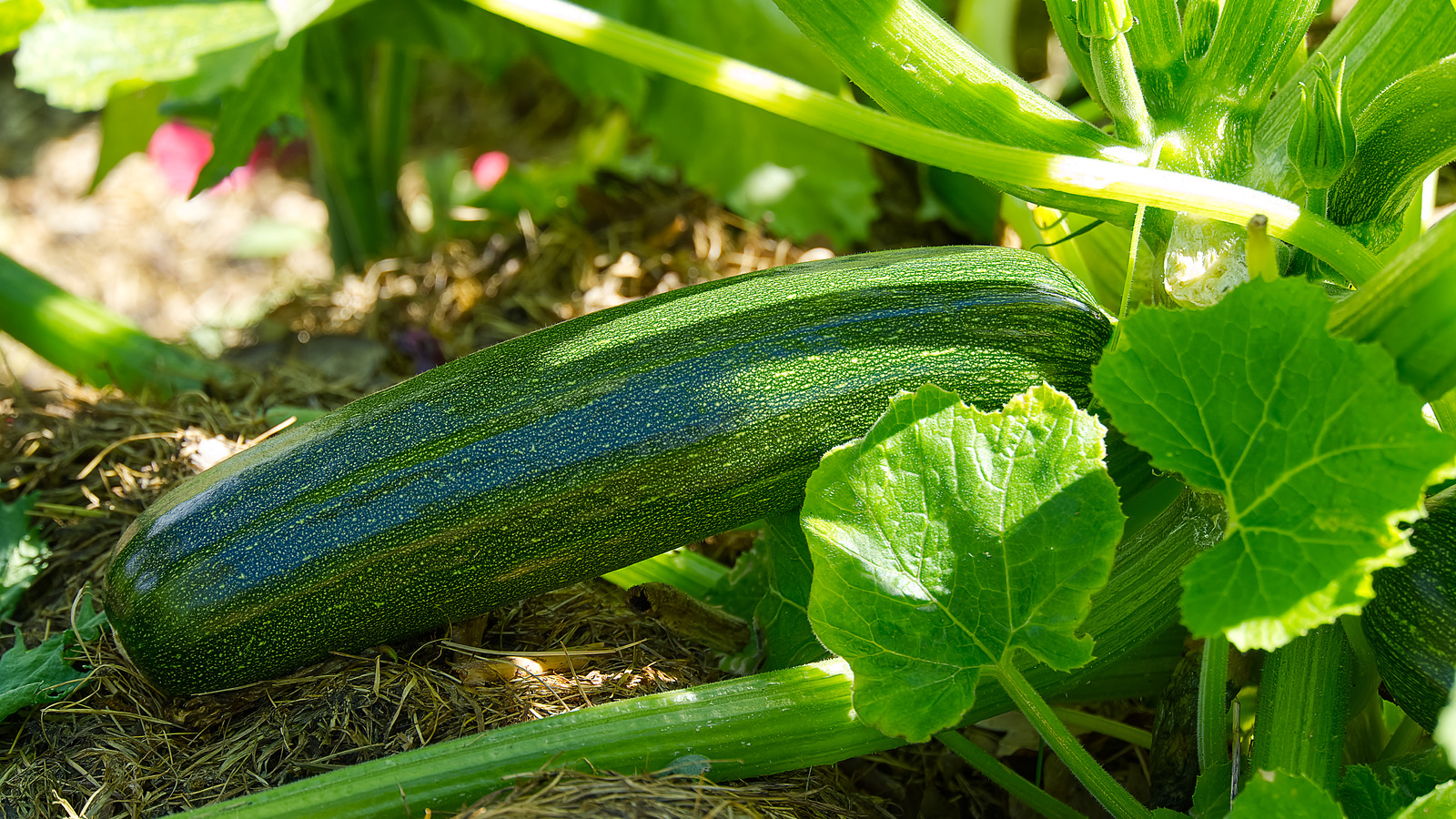
Ever peeked at your garden and wondered if that tiny sprout isactuallya zucchini, or just a persistent weed playing tricks on you? Identifying young zucchini plants early is key to a bountiful harvest. Let's explore what these little guys look like, so you can nurture them and enjoy those delicious summer squashes!
What Do Small Zucchini Plants Look Like? Unveiling the Zucchini Seedling
Understandingwhat a small zucchini plant looks like starts with understanding its germination process. Zucchini, like other squash, pumpkins, and cucumbers, are part of the cucurbit family. They emerge from the soil with a distinctive look that helps distinguish them from weeds. It's worth getting familiar with this early appearance to protect your precious vegetables!
The First Leaves: Cotyledons
The very first leaves you'll see are calledcotyledons. These aren't the "true" leaves of the zucchini plant, but rather the seed leaves. They are usually oval or kidney-shaped, and often appear a lighter green than the true leaves that follow. You'll find two of these leaves sprouting from the stem. These cotyledons provide the initial nourishment for the seedling as it develops. Expect these leaves to be fairly smooth in texture. Don’t be alarmed if they look slightly different from the leaves of other plants in your garden – that’s perfectly normal!
True Leaves:The Real Deal
After the cotyledons emerge, thetrue leaves begin to appear. This is when the zucchini plant starts to show its characteristic features. These leaves will be larger, more textured, and have a distinctive shape. Unlike the rounded cotyledons, true zucchini leaves are broad, slightly rounded, and have three to five lobes. The surface of the leaves is often prickly or hairy, which helps to deter pests. The colour is often a deep, vibrant green. The veins on the leaf are also quite pronounced.
The stem of the young zucchini plant is also quite distinctive. It's usually thick and sturdy, and covered in small prickles or hairs. This stem will support the weight of the developing plant and its fruit. Keep an eye on the stem for any signs of damage or disease, such as discoloration or lesions.
Distinguishing Zucchini Seedlings from Weeds
Knowingwhat do small zucchini plants look like is crucial because it lets you differentiate them from weeds. Many weeds have similar-looking cotyledons. However, once the true leaves emerge, the difference becomes clear. Weeds often have different leaf shapes, textures, and growth patterns. Look closely at the leaf margins (edges) - zucchini leaves have slightly serrated or toothed edges, while many common weeds have smooth edges.
Another key difference is the arrangement of the leaves. Zucchini leaves grow in an alternating pattern along the stem, while some weeds have opposite leaf arrangements. Examining the stem can also help you identify weeds. Many weeds have thin, wiry stems, while zucchini stems are thick and sturdy.
Here's a simple table summarizing the key differences:
| Feature | Zucchini Seedling | Common Weeds |
|---|---|---|
| ----------------- | ------------------------------- | ------------------------------------ |
| Cotyledons | Oval or kidney-shaped | Variable shapes |
| True Leaves | Broad, lobed, prickly | Different shapes, often smooth |
| Leaf Arrangement | Alternating | Often opposite |
| Stem | Thick, prickly | Thin, wiry |
Caring for Young Zucchini Plants
Once you've identified your zucchini seedlings, it's important to provide them with the right care to help them thrive.
Sunlight and Watering
Zucchini plants need plenty of sunlight to grow. Aim for at least 6-8 hours of direct sunlight per day. Make sure the seedlings are placed in a sunny location in your garden. If you're starting them indoors, provide them with adequate artificial light. Water the seedlings regularly, keeping the soil moist but not waterlogged. Avoid overwatering, as this can lead to root rot. Water at the base of the plant to prevent fungal diseases from developing on the leaves.
Soil and Fertilization
Zucchini plants prefer well-drained soil that is rich in organic matter. Amend the soil with compost or manure before planting to improve its fertility. As the plant grows, you may need to fertilize it with a balanced fertilizer. Follow the instructions on the fertilizer label to avoid over-fertilizing. A soil p H between 6.0 and
7.5 is ideal for zucchini growth.
Protection from Pests and Diseases
Young zucchini plants are vulnerable to pests and diseases. Keep an eye out for common pests such as aphids, squash bugs, and cucumber beetles. You can control these pests by handpicking them off the plants or using insecticidal soap. To prevent diseases, avoid overcrowding the plants and water them at the base to prevent the leaves from getting wet. If you notice any signs of disease, such as powdery mildew or leaf spot, treat the plants with a fungicide.
Encouraging Growth of Small Zucchini Plants
Proper care in the early stages will yield bountiful harvests. When plants are small and tender it is important to give them the right start!
Thinning Seedlings
If you planted multiple seeds in one spot, you'll need to thin the seedlings once they've developed a few true leaves. Choose the strongest, healthiest seedling and remove the others. This will give the remaining seedling more space to grow and prevent overcrowding.
Mulching
Mulching around your zucchini plants can help to retain moisture in the soil, suppress weeds, and regulate soil temperature. Use organic mulches such as straw, hay, or wood chips. Apply a layer of mulch 2-3 inches thick around the base of the plants, being careful not to cover the stems.
Support
As your zucchini plants grow, they may need some support to prevent them from sprawling on the ground. You can use stakes, trellises, or cages to support the plants. This will also help to improve air circulation around the plants and reduce the risk of disease. This is even more important for plants that you're training to grow vertically.
For maintaining your zucchini patch and harvesting, consider using reliable tools. A pair of good garden clippers can make a huge difference. The Fiskars Bypass Pruning Shears, known for their rust-resistant steel blade, is a great option for cutting through thick stems with ease. Find them here: https://amzn.to/4i LKbs8
By carefully observing your zucchini seedlings and providing them with the right care, you can ensure a successful harvest of delicious zucchini squash. Understandingwhat small zucchini plants look like is the first step!