Have you ever looked at your zucchini plant, overflowing with summer squash, and wondered if you could use more than just the fruit? You might be surprised to learn that there's a lesser-known edible part: the stalk! Yes, that sturdy stem supporting your prolific zucchini can be a delicious addition to your kitchen creations, reducing waste and adding a unique flavor to your meals. Exploring the Edibility of Zucchini Plant Stalk Many gardeners are familiar with the delight of harvesting fresh zucchini, but few consider the potential of the zucchini plant stalk. Understanding the nutritional value, preparation techniques, and safety considerations surrounding zucchini stalks can unlock a whole new culinary dimension for your garden bounty. So, is the zucchini stalk edible? The short answer is yes, but with a few important caveats. We need to consider the age of the plant and potential bitterness. Mature zucchini stalks, especially those from older plants,...
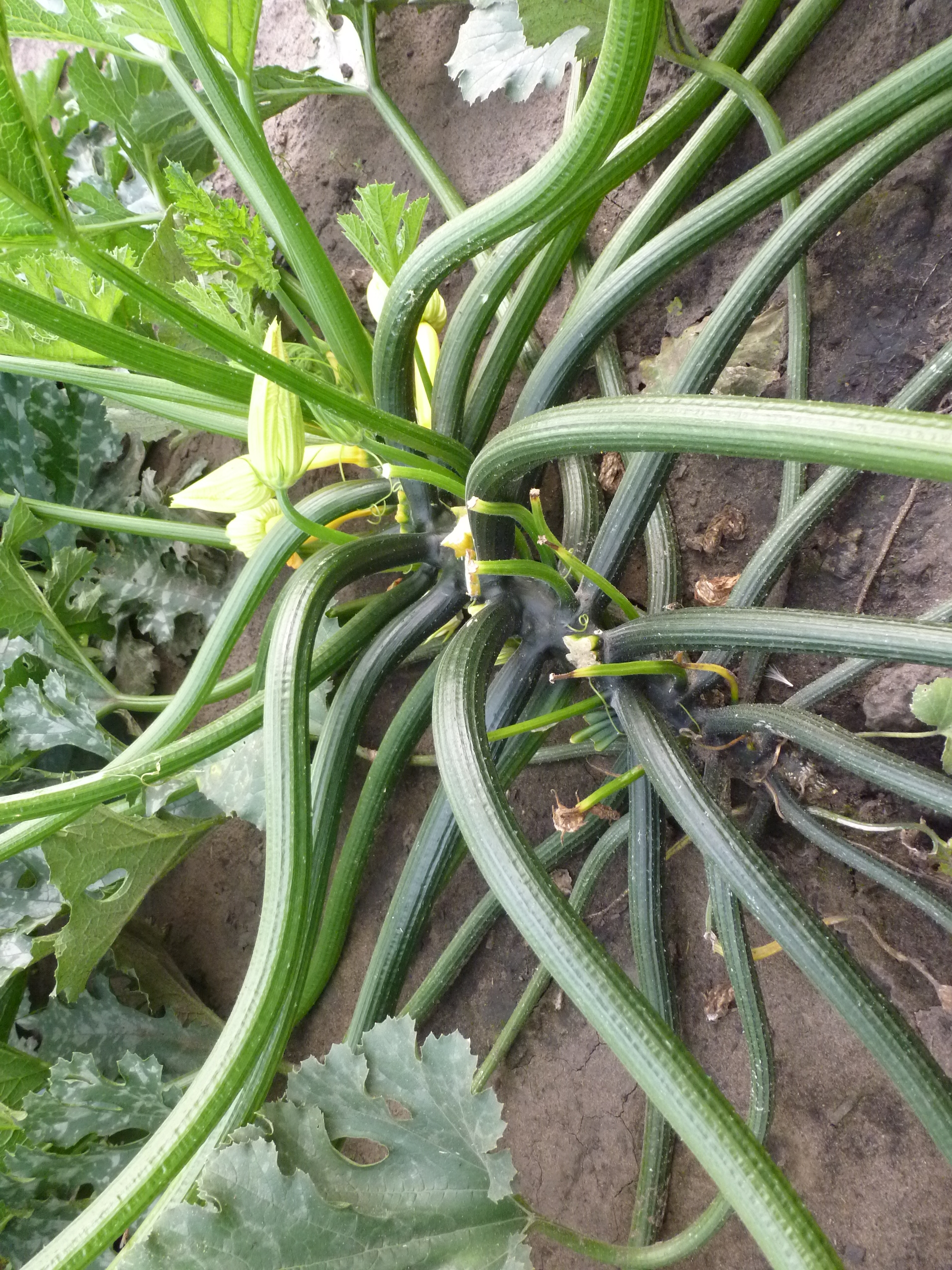
Have you ever walked through a garden and been overwhelmed by a sea of green, unsure of what's what? Identifying plants can feel like a botanical scavenger hunt! Today, we're focusing on one garden staple: the zucchini plant. It's more than just a source of delicious summer squash; it's a fascinating plant with distinct characteristics. Let's dive into what zucchini plants look like, from their sprouting seedlings to their mature, fruit-bearing glory, so you can confidently identify them in your own garden or local farmers market.
Unveiling the Zucchini Plant: A Visual Guide
Understanding the different stages of a zucchini plant's life cycle is key to identifying it correctly. From the moment it sprouts to when it's laden with zucchini, there are telltale signs that distinguish it from other plants in your garden. We'll break down each part of the plant to help you become a zucchini-spotting pro.
What do Zucchini Seedlings Look Like? The Early Stages
The journey of a zucchini plant begins with a seed, and those seeds eventually sprout into seedlings. The first leaves that emerge are called cotyledons, also known as seed leaves. These leaves are usually rounded or oval in shape, and they look quite different from the true leaves that will follow. Here's what to expect:
- Cotyledons: Zucchini seedlings typically have two large, oval-shaped cotyledons. They are smooth and a vibrant green color. Think of them as the plant's initial food source, providing nutrients until the true leaves develop.
- First True Leaves: After the cotyledons, the first true leaves will appear. These leaves look more like miniature versions of the mature zucchini leaves – they are broader, have a slightly rough texture, and feature the characteristic lobed shape.
- Stem: The stem of a young zucchini seedling is usually light green and relatively thick compared to other seedlings. It's sturdy enough to support the initial leaves.
It's important to note that zucchini seedlings grow quickly, especially with enough sunlight and water. Keep a close eye on your seedlings, and make sure they're not overcrowded. Once they have a few sets of true leaves, they're ready to be transplanted to their final location in the garden.
Zucchini Plant Leaves: A Defining Feature
The leaves of a zucchini plant are one of its most recognizable features. They are large, broad, and have a distinctive shape. Let's take a closer look:
- Size and Shape: Zucchini leaves are typically quite large, often reaching 1 to 2 feet in diameter. They have a lobed shape, meaning the edges are divided into rounded sections. The exact shape can vary slightly depending on the variety of zucchini.
- Texture and Color: The leaves have a slightly rough texture to the touch, and they are a deep, rich green color. Some varieties may have a silvery or mottled appearance.
- Leaf Stems: The leaves are attached to the main stem of the plant by long, sturdy stems. These stems are also green and can be slightly prickly.
The leaves play a vital role in the plant's health, providing the energy for growth and fruit production through photosynthesis. Keeping the leaves healthy and free from pests and diseases is crucial for a bountiful zucchini harvest.
Zucchini Flowers: Blossoms of Potential
Zucchini plants produce large, bright yellow flowers. These flowers are essential for fruit production, as they are the reproductive organs of the plant. There are both male and female flowers, and they need to be pollinated for zucchini to develop.
- Male Flowers: Male flowers grow on long, thin stems. They are responsible for producing pollen.
- Female Flowers: Female flowers have a small, immature zucchini fruit at the base of the flower. This is a key difference between male and female flowers.
- Pollination: Pollination occurs when pollen is transferred from the male flower to the female flower. This is usually done by insects, such as bees, or by hand-pollination.
The flowers are edible and often used in gourmet cooking. They can be stuffed, fried, or added to soups and salads.
The life cycle of a zucchini flower is relatively short. The flowers typically open in the morning and close in the evening. If a female flower is successfully pollinated, the small zucchini at its base will begin to grow rapidly.
The Zucchini Fruit: From Flower to Table
Of course, the most anticipated part of the zucchini plant is the zucchini fruit itself. Zucchini are typically dark green, but they can also be yellow or light green, depending on the variety. Here are some key characteristics of the fruit:
- Shape and Size: Zucchini are usually cylindrical or slightly club-shaped. They can vary in size, from small and tender to large and overgrown.
- Skin: The skin of a zucchini is smooth and edible. It can be slightly waxy in some varieties.
- Flesh: The flesh of a zucchini is white or pale green and has a mild, slightly sweet flavor.
Zucchini are incredibly versatile in the kitchen. They can be grilled, roasted, sautéed, baked, or used in soups, stews, and breads. They are also a good source of vitamins and minerals, making them a healthy addition to any diet.
Zucchini Plant Growth Habit: Understanding the Spread
Zucchini plants have a bushy growth habit, meaning they tend to spread out rather than grow tall and upright. This is an important consideration when planning your garden layout. Here’s what you should know:
- Space Requirements: Zucchini plants need plenty of space to grow. A single plant can easily take up 2 to 3 feet of space in diameter.
- Bush Type: Most zucchini varieties are bush types, meaning they grow in a compact, bushy form. However, some varieties are vining types, which require a trellis or support system.
- Sunlight: Zucchini plants need at least 6 hours of sunlight per day to thrive. They also prefer well-drained soil and regular watering.
Knowing the growth habit of your zucchini plant will help you provide the right conditions for optimal growth and fruit production. Make sure to give your plants enough space and sunlight, and you'll be rewarded with a bountiful harvest.
Common Zucchini Plant Problems: What to Watch Out For
Like all plants, zucchini plants can be susceptible to certain problems. Being aware of these potential issues can help you take preventative measures and ensure a healthy crop. Some common problems include:
- Powdery Mildew: This fungal disease appears as a white, powdery coating on the leaves. It can be treated with fungicides or by improving air circulation around the plants.
- Squash Vine Borers: These pests bore into the stems of the plant, causing it to wilt and die. Preventative measures include wrapping the stems with foil or using row covers.
- Squash Bugs: These bugs suck the sap from the leaves, causing them to turn yellow and brown. They can be controlled by hand-picking or using insecticidal soap.
- Blossom End Rot: This condition causes the end of the zucchini to rot. It is usually caused by a calcium deficiency or inconsistent watering.
Regularly inspecting your zucchini plants for signs of pests or diseases can help you catch problems early and take appropriate action.
So, What Does A Zucchini Plant Look Like? Key Takeaways
To summarize, identifying a zucchini plant involves recognizing its distinct features. From the rounded cotyledons of the seedling to the broad, lobed leaves, the bright yellow flowers, and of course, the cylindrical zucchini fruit, each stage of the plant's life cycle offers clues. Understanding these characteristics will empower you to confidently identify zucchini plants in your garden and enjoy the delicious rewards of your gardening efforts.
Taking care of your garden often requires having the right tools. For tasks like pruning back excess foliage or harvesting your ripe zucchini, having a reliable pair of shears is essential. Consider the Fiskars Bypass Pruning Shears, which feature sharp, rust-resistant steel blades ideal for clean cuts in your garden. You can find this excellent pair of garden clippers here: https://amzn.to/4i LKbs8