Have you ever looked at your zucchini plant, overflowing with summer squash, and wondered if you could use more than just the fruit? You might be surprised to learn that there's a lesser-known edible part: the stalk! Yes, that sturdy stem supporting your prolific zucchini can be a delicious addition to your kitchen creations, reducing waste and adding a unique flavor to your meals. Exploring the Edibility of Zucchini Plant Stalk Many gardeners are familiar with the delight of harvesting fresh zucchini, but few consider the potential of the zucchini plant stalk. Understanding the nutritional value, preparation techniques, and safety considerations surrounding zucchini stalks can unlock a whole new culinary dimension for your garden bounty. So, is the zucchini stalk edible? The short answer is yes, but with a few important caveats. We need to consider the age of the plant and potential bitterness. Mature zucchini stalks, especially those from older plants,...
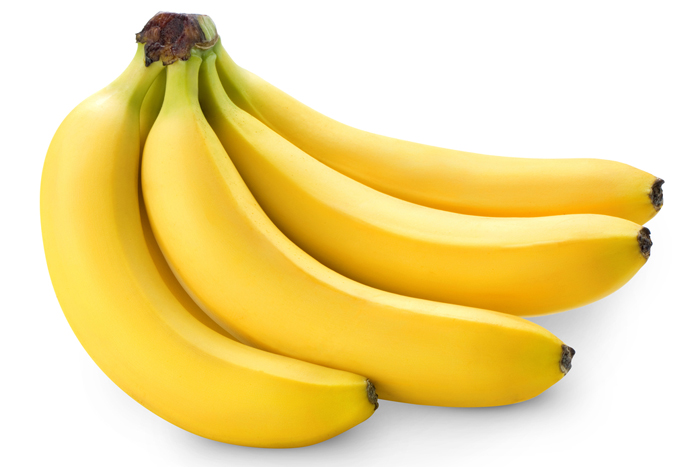
Have you ever looked at your zucchini plants and wished they were just a little bit…happier? A little bit more productive? You're not alone! Many gardeners struggle with getting the most out of their zucchini, but the answer might be simpler (and tastier) than you think. Hint: it involves a certain yellow fruit we all know and love.
The Surprising Benefits of Banana Water for Zucchini Plants
Okay, so what's the big deal with banana water for zucchini plants? It all comes down to nutrients, specificallypotassium. Zucchini plants are heavy feeders, meaning they require a significant amount of nutrients to thrive and produce those delicious summer squashes we all crave. Potassium is essential for various plant functions, including fruit development, disease resistance, and overall plant vigor. A deficiency in potassium can lead to stunted growth, yellowing leaves, and reduced fruit production. That's where banana water steps in as a fantastic (and economical!) solution.
Why Zucchini Plants Love Potassium
Potassium is one of the three macronutrients essential for plant growth, often represented as 'K' in fertilizer labels (NPK = Nitrogen, Phosphorus, Potassium). It plays a crucial role in:
- Fruit Development: Potassium helps zucchini plants produce larger, healthier fruits. It aids in the translocation of sugars and other nutrients to the developing fruit, ensuring they are plump and flavorful.
- Disease Resistance: A potassium-rich zucchini plant is better equipped to fight off common diseases and pests. Potassium strengthens cell walls, making it harder for pathogens to penetrate and infect the plant.
- Water Regulation: Potassium helps regulate the opening and closing of stomata (tiny pores on leaves), which control water loss. This is especially important during hot summer months when zucchini plants are prone to stress.
- Overall Plant Health: Potassium is involved in many enzymatic processes within the plant, contributing to overall health and vitality.
Think of potassium as the essential vitamin your zucchini plant needs to perform at its peak! Without enough of it, your plant simply can't reach its full potential.
How to Make Banana Water for Your Zucchinis
Making banana water is incredibly easy and cost-effective. Here are a few methods you can try:
Method 1: Banana Peel Soak
This is the most common and straightforward method. Simply collect your banana peels (organic is best to avoid any pesticide residue). You'll need a container like a bucket or a large jar. Here's the process:
- Collect the peels: Save banana peels as you eat bananas. You can store them in a bag in the freezer to prevent them from attracting fruit flies until you have enough.
- Prepare the water: Fill your container with water. The amount depends on how many peels you have; a good ratio is about 1 gallon of water per 3-4 banana peels.
- Add the peels: Submerge the banana peels in the water. You can weigh them down with a stone or a jar to keep them fully submerged.
- Soak the peels: Let the mixture sit for 1-2 weeks. The longer it sits, the more potassium leaches into the water. A slight odor is normal, but if it becomes overly pungent, it's time to use the water.
- Strain the water: Before using, strain the banana water to remove the decomposing peels. You can compost the peels.
- Dilute the water: Dilute the banana water with regular water before applying it to your zucchini plants. A ratio of 1:1 is generally recommended.
Method 2: Banana Peel Tea (Quick Method)
If you're short on time, you can make a quick banana peel tea. This method extracts the potassium more rapidly:
- Boil the peels: Place banana peels in a pot and cover them with water.
- Simmer: Bring the water to a boil, then reduce the heat and simmer for 15-20 minutes.
- Cool and Strain: Let the mixture cool completely, then strain the water.
- Dilute: Dilute the "tea" with regular water before applying to your zucchini plants. Again, a 1:1 ratio is a good starting point.
Method 3: Burying Banana Peels
This method provides a slow-release source of potassium directly to the roots of your zucchini plants. You'll need to dig a hole near the base of each plant, then bury a few banana peels.
- Dig a hole: Dig a small hole, about 6 inches deep, near the base of your zucchini plant, being careful not to damage the roots.
- Add the peels: Place 2-3 banana peels in the hole.
- Cover the peels: Cover the peels with soil.
- Water: Water the area well to help the decomposition process begin.
The peels will decompose over time, slowly releasing potassium into the soil. This method is especially beneficial for long-term potassium availability.
How to Use Banana Water on Your Zucchini Plants
Once you've made your banana water, it's time to put it to use! Here's how to apply it effectively:
- Frequency: Apply banana water to your zucchini plants every 1-2 weeks during the growing season, especially when the plants are actively fruiting.
- Application: Pour the diluted banana water directly onto the soil around the base of the plant. Avoid getting the water on the leaves, as this can attract pests or promote fungal growth.
- Amount: Give each plant about 1-2 cups of diluted banana water, depending on the size of the plant.
- Combine with other fertilizers: Banana water is a great supplement, but it's not a complete fertilizer. You may still need to use other fertilizers to provide a balanced range of nutrients.
Remember to observe your plants and adjust the frequency and amount of banana water based on their needs. Look for signs of potassium deficiency, such as yellowing leaves or stunted growth, and increase the frequency of application if necessary.
Potential Problems and Solutions
While banana water is generally safe for zucchini plants, there are a few potential issues to be aware of:
- Attracting Pests: Decomposing banana peels can attract fruit flies and other pests. To minimize this risk, make sure to bury the peels completely when using the burying method, and use sealed containers for soaking methods.
- Over-Fertilization: While rare, it's possible to over-fertilize your zucchini plants with potassium. Signs of over-fertilization include burned leaf tips and reduced growth. If you notice these symptoms, reduce the frequency of banana water application.
- Nutrient Imbalance: Banana water primarily provides potassium. Zucchini plants also need other essential nutrients like nitrogen and phosphorus. Make sure to provide a balanced range of nutrients through other fertilizers or soil amendments.
Beyond Potassium: Other Benefits of Banana Peels
While potassium is the star of the show, banana peels also contain other beneficial nutrients, including phosphorus, calcium, and magnesium. These nutrients contribute to overall plant health and soil fertility. The organic matter in banana peels also helps improve soil structure and water retention.
Real-World Results: Case Studies and Testimonials
Many gardeners have reported positive results using banana water on their zucchini plants. For example, one gardener shared that after using banana water for a month, their zucchini plants produced significantly more fruit, and the fruits were larger and more flavorful.
Another gardener noticed that their zucchini plants were more resistant to powdery mildew after using banana water. These anecdotal reports suggest that banana water can be a valuable tool for improving the health and productivity of zucchini plants.
Alternative Potassium Sources for Zucchini Plants
While banana water is a great natural option, there are other ways to provide potassium to your zucchini plants, including:
- Potassium Sulfate: A readily available fertilizer that provides potassium in a soluble form.
- Wood Ash: A good source of potassium and other trace minerals. Be careful not to use too much wood ash, as it can raise the soil p H.
- Compost: Compost contains a wide range of nutrients, including potassium.
- Commercial Fertilizers: Look for fertilizers specifically formulated for vegetables that contain a high percentage of potassium (the 'K' in the NPK ratio).
Choose the potassium source that best suits your needs and gardening style.
Conclusion: Give Your Zucchini Plants the Potassium Boost They Deserve!
Banana water is a simple, effective, and eco-friendly way to provide your zucchini plants with the potassium they need to thrive. By incorporating this easy technique into your gardening routine, you can expect healthier plants, more abundant harvests, and tastier zucchinis all season long. So, start saving those banana peels and get ready to enjoy a bountiful zucchini harvest!
Speaking of getting the most out of your garden, sometimes a good pair of gardening shears can make all the difference. These sharp bypass pruning shears from Fiskars, with a 5/8-inch cut capacity, are perfect for deadheading, trimming, and shaping your zucchini plants and other garden beauties. You can find these versatile gardening scissors with a rust-resistant steel blade here: https://amzn.to/4i LKbs8.