Have you ever looked at your zucchini plant, overflowing with summer squash, and wondered if you could use more than just the fruit? You might be surprised to learn that there's a lesser-known edible part: the stalk! Yes, that sturdy stem supporting your prolific zucchini can be a delicious addition to your kitchen creations, reducing waste and adding a unique flavor to your meals. Exploring the Edibility of Zucchini Plant Stalk Many gardeners are familiar with the delight of harvesting fresh zucchini, but few consider the potential of the zucchini plant stalk. Understanding the nutritional value, preparation techniques, and safety considerations surrounding zucchini stalks can unlock a whole new culinary dimension for your garden bounty. So, is the zucchini stalk edible? The short answer is yes, but with a few important caveats. We need to consider the age of the plant and potential bitterness. Mature zucchini stalks, especially those from older plants,...
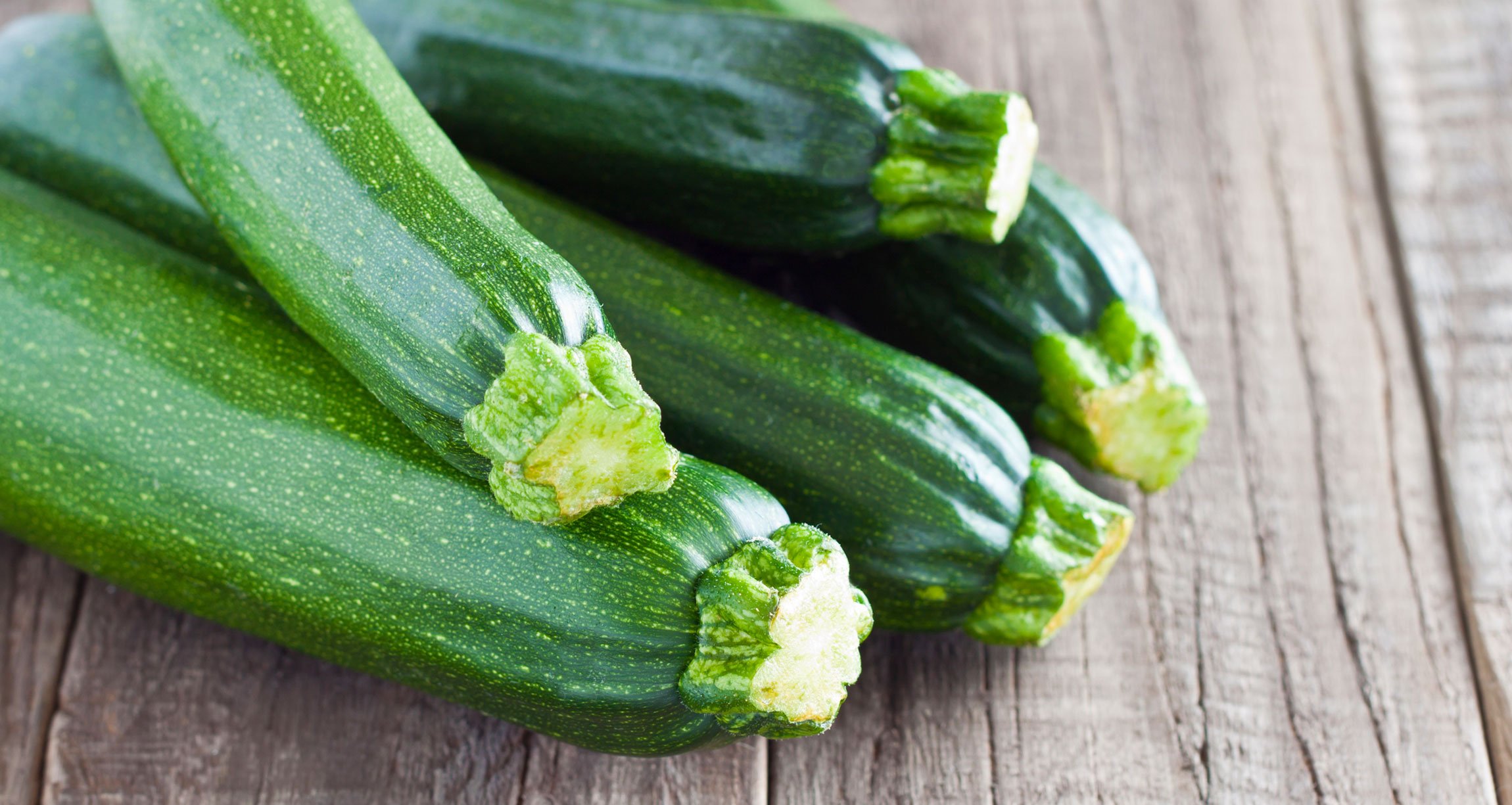
Ah, zucchini season! Is there anything quite like the abundance of these green beauties overflowing from gardens and farmers' markets? If you're in North Carolina, you know our climate can be a bit…unpredictable. So, when exactly is the ideal time to plant zucchini in NC to ensure a bountiful harvest? Let's dive into the details of getting your zucchini plants off to the best possible start.
Zucchini Season in North Carolina: A Guide for Gardeners
North Carolina's diverse climate means that the length and intensity of zucchini season can vary depending on your specific region. Generally speaking,zucchini season in NC runs from late spring through early fall. The exact timing is dictated by the last frost in the spring and the first frost in the fall.
This versatile vegetable is a warm-season crop, which means that it is very sensitive to cold temperatures. It cannot survive frost or freezing temperatures. Zucchini seeds will not germinate in cold soil, and young plants will quickly succumb to frost damage. If there's an unexpected late frost, protecting your young plants with row covers or blankets is essential.
When To Plant Zucchini in NC: Finding the Perfect Time
Knowing the general timeframe for zucchini season in NC is one thing, but pinpointing theexactbest time to plant is key. Here's a breakdown of factors to consider:
Understanding the Last Frost Date
The most important factor to consider when determining when to plant zucchini in NC is the average last frost date for your area. This is the date after which you can reasonably expect that there will be no more killing frosts. A good rule of thumb is towait until at least two weeksafteryour average last frost date to plant zucchini seeds or transplants directly in the ground. This ensures that the soil has warmed sufficiently and that the risk of frost damage is minimal. You can easily find your local average last frost date by searching online for your county or region in North Carolina, and the term "average last frost date".
Here's a simplified example of how the average last frost date can affect planting times:
- Western NC (Mountains): Last frost typically late April/early May. Plant zucchini mid-May to early June.
- Central NC (Piedmont): Last frost typically mid-April. Plant zucchini late April to mid-May.
- Eastern NC (Coastal Plain): Last frost typically late March/early April. Plant zucchini mid-April to early May.
Soil Temperature: A Key Indicator
Even if the calendar says it's past your last frost date, it's crucial to check your soil temperature before planting. Zucchini seeds germinate best when the soil temperature is consistently above*65°F (18°C). Using a soil thermometer is the most accurate way to measure this. You can purchase a soil thermometer from most garden centers or online retailers. If the soil is still cool, consider using black plastic mulch to warm it up before planting. You can lay down the black plastic a week or two before your intended planting date.
Starting Zucchini Indoors
To get a head start on the growing season, you can start zucchini seeds indoors about3-4 weeks before your average last frost date. Use peat pots or biodegradable containers to avoid disturbing the roots when transplanting. Zucchini plants don't like to have their roots disturbed, so minimizing transplant shock is essential. Make sure to harden off the seedlings gradually before transplanting them outdoors. Hardening off involves gradually exposing the plants to outdoor conditions over a period of 7-10 days. This helps them acclimatize to the sun, wind, and temperature fluctuations.
Here’s a simple hardening-off schedule:
- Day 1-3: Place seedlings outdoors in a sheltered location (e.g., a shady porch) for 1-2 hours.
- Day 4-6: Gradually increase the time spent outdoors by 1-2 hours each day.
- Day 7-10: Expose seedlings to morning sun for a few hours, gradually increasing the amount of direct sunlight they receive.
Succession Planting for a Continuous Harvest
Instead of planting all your zucchini at once, consider succession planting. This involves planting a new batch of seeds every 2-3 weeks. This ensures a continuous harvest throughout the summer and prevents you from being overwhelmed with zucchini all at once. Succession planting is especially beneficial in NC, where the growing season can be long enough to support multiple harvests.
Optimizing Your Zucchini Crop in NC
Once you've determined the best time to plant zucchini in NC, there are several other factors to consider to ensure a healthy and productive crop.
Sunlight and Soil Requirements
Zucchini plants needat least 6-8 hours of direct sunlight per day to thrive. Choose a planting location that receives plenty of sunshine. They also prefer well-drained soil that is rich in organic matter. Before planting, amend the soil with compost or well-rotted manure to improve its fertility and drainage.
Watering and Fertilizing
Zucchini plants are heavy feeders and require consistent watering, especially during hot weather. Water deeply at the base of the plants to avoid wetting the foliage, which can lead to fungal diseases. Fertilize regularly with a balanced fertilizer according to the package instructions. Avoid over-fertilizing, as this can lead to excessive foliage growth at the expense of fruit production.
Pest and Disease Management
Zucchini plants are susceptible to several pests and diseases, including squash vine borers, squash bugs, powdery mildew, and blossom end rot. Monitor your plants regularly for signs of infestation or disease. Use organic pest control methods whenever possible, such as insecticidal soap or neem oil. Ensure good air circulation around the plants to prevent fungal diseases. For blossom end rot, ensure consistent watering and amend the soil with calcium.
Varieties of Zucchini to Consider for North Carolina
Choosing the right zucchini variety is crucial for success in North Carolina's climate. Some popular and well-suited varieties include:
- Black Beauty: A classic, dark-green zucchini with excellent flavor and productivity.
- Early Crookneck: A yellow crookneck zucchini that is early-maturing and disease-resistant.
- Costata Romanesco: An Italian heirloom zucchini with distinctive ribbed fruit and a nutty flavor.
- Golden Zucchini: A bright-yellow zucchini that adds visual appeal to your garden and meals.
When selecting a variety, consider factors such as disease resistance, maturity time, and flavor preferences. Local garden centers and nurseries can offer recommendations based on your specific region of North Carolina.
Keeping your gardening tools in top shape is critical for a successful harvest. For all your trimming needs, consider using Fiskars Bypass Pruning Shears; these gardening scissors with a sharp, rust-resistant steel blade are perfect for keeping your zucchini plants healthy and productive. You can find them here: https://amzn.to/4i LKbs8.