Have you ever looked at your zucchini plant, overflowing with summer squash, and wondered if you could use more than just the fruit? You might be surprised to learn that there's a lesser-known edible part: the stalk! Yes, that sturdy stem supporting your prolific zucchini can be a delicious addition to your kitchen creations, reducing waste and adding a unique flavor to your meals. Exploring the Edibility of Zucchini Plant Stalk Many gardeners are familiar with the delight of harvesting fresh zucchini, but few consider the potential of the zucchini plant stalk. Understanding the nutritional value, preparation techniques, and safety considerations surrounding zucchini stalks can unlock a whole new culinary dimension for your garden bounty. So, is the zucchini stalk edible? The short answer is yes, but with a few important caveats. We need to consider the age of the plant and potential bitterness. Mature zucchini stalks, especially those from older plants,...
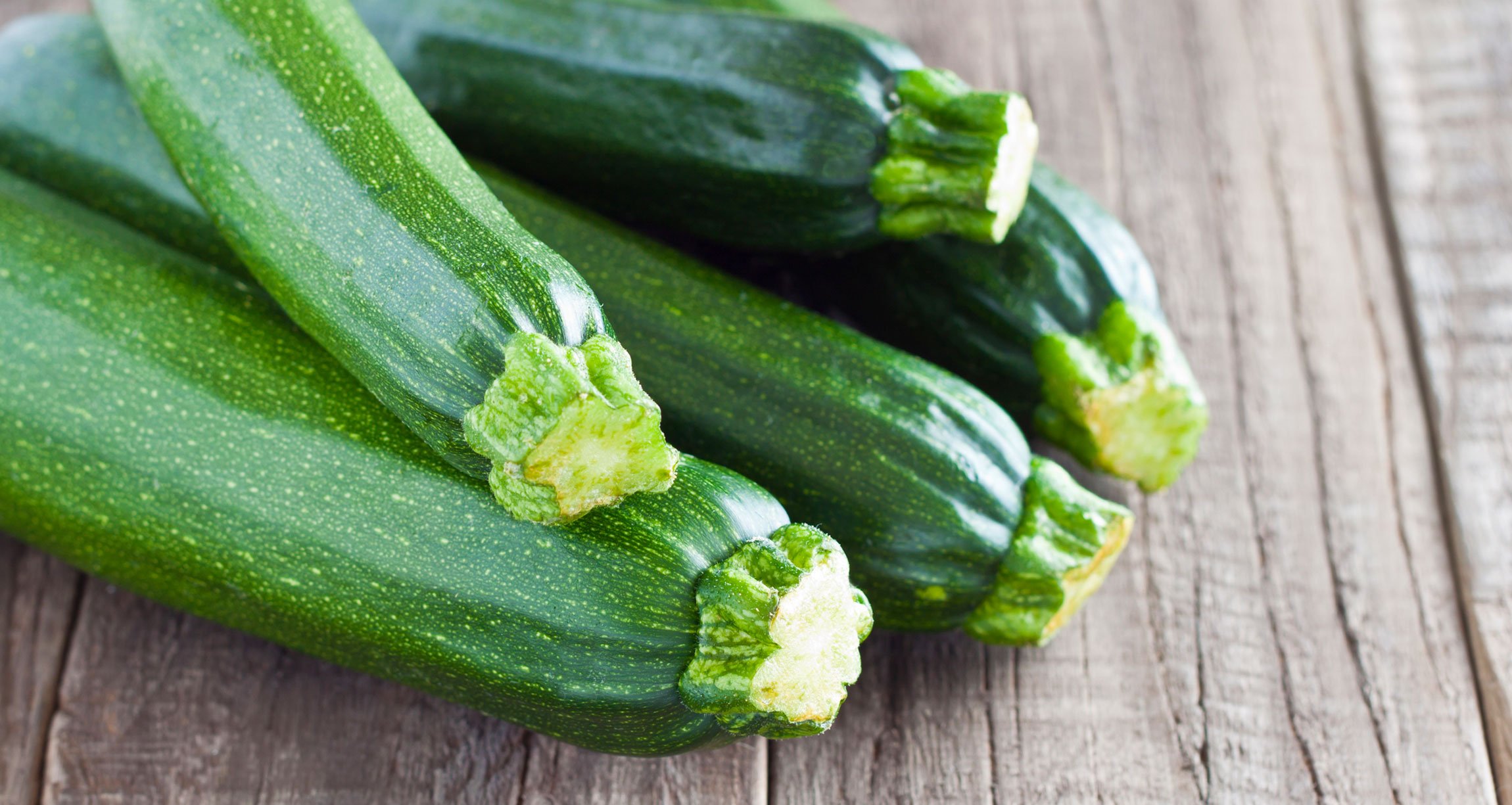
Imagine fresh zucchini bread baking in your oven, all thanks to a plant you nurtured right on your patio! Growing zucchini in pots is easier than you might think, and it's a fantastic way to enjoy homegrown goodness, even if you're short on space. Let's dive into the wonderful world of container gardening and discover how to successfully plant zucchini in pots!
Why Choose Container Gardening for Zucchini?
Growing zucchini in pots offers several advantages, especially for urban gardeners or those with limited garden space. Let's look at some of the benefits ofgrowing zucchini in containers:
- Space Saving: Container gardening is ideal for balconies, patios, decks, or small yards. You don't need a large in-ground garden to enjoy fresh zucchini.
- Mobility: You can easily move your zucchini plant to chase the sun or protect it from harsh weather. If an unexpected frost threatens, simply move the pot indoors!
- Control Over Soil: Container gardening allows you to use a high-quality potting mix specifically formulated for vegetables. This ensures proper drainage and nutrient availability, which is crucial for healthy growth.
- Pest Control: Container gardening can make it easier to monitor and manage pests. You can inspect your plant regularly and take action quickly if you notice any problems. Plus, raised containers can sometimes deter ground-dwelling pests.
Selecting the Right Pot for Zucchini Plants
Choosing the right pot is crucial for successful zucchini planting in pots. Zucchini plants are vigorous growers with large root systems, so they need plenty of space to thrive. Here's what to consider:
Pot Size Matters
Minimum Pot Size: Aim for at least a 20-gallon pot. A larger pot, like a 25-gallon or even a 30-gallon container, is even better. This will provide ample room for the roots to spread and support the plant's growth. Too small a pot will restrict growth, leading to smaller yields and potentially stressing the plant.
Why is pot size so important? Zucchini roots need space to develop. When they are restricted, the plant's overall health suffers. It can become stunted, produce fewer fruits, and be more susceptible to diseases and pests.
Pot Material
Various materials can be used for zucchini containers, each with its pros and cons:
- Plastic: Lightweight, durable, and relatively inexpensive. Plastic pots retain moisture well, which can be an advantage in hot climates, but it can also lead to overwatering if drainage is poor.
- Terracotta: Classic and attractive, terracotta pots are porous, allowing for good aeration and drainage. However, they can dry out quickly and are more prone to cracking in freezing temperatures. They are also heavier than plastic pots.
- Fabric Pots: These pots are made of breathable fabric, promoting excellent aeration and drainage. They also encourage root pruning, which leads to a healthier root system. Fabric pots are lightweight and foldable, making them easy to store.
- Wood: Wooden containers can be aesthetically pleasing and provide good insulation for the roots. However, they can rot over time, so choose rot-resistant wood or line the container with plastic.
Drainage is Key
Regardless of the pot material, make sure it has adequate drainage holes. Zucchini plants need well-draining soil to prevent root rot. If your pot doesn't have enough drainage holes, you can drill additional holes.
Choosing the Right Zucchini Variety for Pots
While most zucchini varieties can be grown in pots, some are more suitable than others. Compact or bush varieties are generally a better choice for containers than sprawling vine varieties.
Recommended Bush Varieties
- Black Beauty: A classic, dark green zucchini with a bushy growth habit.
- Spacemiser: As the name suggests, this variety is bred for small spaces.
- Bush Baby: An early producer with a compact size.
- Eight Ball: A round zucchini, which is perfect for stuffing.
Considerations for Vine Varieties
If you want to grow a vine variety, you'll need to provide support for the vines. A trellis or tomato cage can help to keep the plant upright and prevent the fruits from rotting on the ground. However, be aware that vine varieties will require more space than bush varieties.
The Best Soil Mix for Zucchini in Pots
Using the right soil mix is essential for healthy zucchini growth in containers. Avoid using garden soil, as it can be too heavy and compacted, leading to poor drainage. Instead, opt for a high-quality potting mix specifically formulated for vegetables.
Recommended Soil Mix Components
- Peat Moss or Coco Coir: Provides moisture retention and aeration.
- Compost: Adds nutrients and improves soil structure.
- Perlite or Vermiculite: Enhances drainage and aeration.
DIY Soil Mix Recipe
You can also create your own soil mix by combining equal parts of peat moss (or coco coir), compost, and perlite (or vermiculite). This will provide a well-draining and nutrient-rich environment for your zucchini plants.
Fertilizing Your Zucchini Plants
Zucchini plants are heavy feeders and require regular fertilization to produce abundant fruits. Use a balanced fertilizer, such as a 10-10-10 or 5-10-5, according to the package instructions. You can also use a liquid fertilizer every two weeks to provide a steady supply of nutrients.
Thetype of fertilizer you use can depend on what you want to achieve. Higher nitrogen (the first number in the N-P-K ratio) promotes leafy growth, while higher phosphorus (the second number) encourages flowering and fruiting. Potassium (the third number) contributes to overall plant health and disease resistance.
Planting Your Zucchini Seedlings in Pots
Once you've selected your pot, soil mix, and zucchini variety, it's time to plant your seedlings. You can either start your zucchini seeds indoors or purchase transplants from a nursery.
Starting Seeds Indoors
Start zucchini seeds indoors about 3-4 weeks before the last expected frost. Sow the seeds in small pots or seed trays filled with a seed-starting mix. Keep the soil moist and warm, and provide plenty of light. Once the seedlings have developed a few sets of true leaves, they can be transplanted into their permanent pots.
Transplanting Seedlings
When transplanting seedlings, dig a hole in the center of the pot that is large enough to accommodate the root ball. Gently remove the seedling from its container and place it in the hole. Backfill with soil and water thoroughly. Be careful not to damage the roots during the transplanting process.
Make sure to harden off your seedlings before transplanting them outdoors. Hardening off is the process of gradually acclimating seedlings to outdoor conditions. Start by placing the seedlings outdoors for a few hours each day, gradually increasing the amount of time they spend outside. This will help them to adjust to the sun, wind, and temperature changes.
Caring for Your Container Zucchini Plants
Proper care is essential for healthy and productive zucchini plants. Here are some tips for caring for your container zucchini plants:
Watering
Zucchini plants need consistent moisture, especially during hot weather. Water deeply whenever the top inch of soil feels dry to the touch. Avoid overwatering, as this can lead to root rot. Container plants tend to dry out faster than plants in the ground, so check the soil moisture regularly.
A good way to check if your plant needs water is to stick your finger about an inch into the soil. If it feels dry, it's time to water. You can also use a moisture meter to get a more accurate reading.
Sunlight
Zucchini plants need at least 6-8 hours of sunlight per day to thrive. Place your container in a sunny location where it will receive plenty of direct sunlight. If you live in a hot climate, you may need to provide some afternoon shade to protect the plant from scorching.
Pollination
Zucchini plants have separate male and female flowers. Bees and other pollinators are needed to transfer pollen from the male flowers to the female flowers. If you're not seeing many bees in your garden, you may need to hand-pollinate the flowers.
To hand-pollinate, use a small paintbrush to collect pollen from the male flower and transfer it to the female flower. The female flower will have a small zucchini fruit at its base. Hand-pollinate in the morning when the flowers are open.
Pest and Disease Control
Monitor your zucchini plants regularly for pests and diseases. Common pests include squash bugs, squash vine borers, and aphids. Diseases include powdery mildew and blossom-end rot.
You can use organic pesticides and fungicides to control pests and diseases. Neem oil is a good option for controlling many common pests. Copper fungicide can help to prevent powdery mildew.
Harvesting
Harvest zucchini when they are young and tender, typically when they are about 6-8 inches long. Use a sharp knife to cut the zucchini from the plant. Regular harvesting will encourage the plant to produce more fruits. Thebest time to harvestis in the morning when the fruits are cool and crisp.
Overgrown zucchini can become seedy and tough. If you find that you have too many zucchini, you can freeze them, pickle them, or share them with friends and neighbors.
To keep your plants looking their best, remember to keep them trimmed. The Fiskars Bypass Pruning Shears, are excellent garden clippers for this purpose. Their sharp, rust-resistant steel blade helps you keep your garden tidy and harvest your zucchini with ease. You can find these fantastic gardening scissors here:https://amzn.to/4i LKbs8.
Troubleshooting Common Issues
Even with the best care, you may encounter some issues when growing zucchini in pots. Here are some common problems and how to fix them:
Blossom-End Rot
Blossom-end rot is caused by a calcium deficiency. The bottom of the zucchini will turn brown and mushy. To prevent blossom-end rot, make sure your soil is well-drained and that you are watering consistently. You can also add calcium to the soil by using bone meal or calcium nitrate.
Powdery Mildew
Powdery mildew is a fungal disease that causes a white, powdery coating on the leaves. To prevent powdery mildew, provide good air circulation around the plants and avoid overhead watering. You can also use a copper fungicide to control powdery mildew.
Squash Bugs
Squash bugs are common pests that can damage zucchini plants. They suck the sap from the leaves, causing them to wilt and die. You can handpick squash bugs from the plants or use an insecticide to control them.
Squash Vine Borers
Squash vine borers are another common pest that can kill zucchini plants. The larvae of the squash vine borer tunnel into the stems of the plant, causing it to wilt and die. To prevent squash vine borers, wrap the base of the stems with aluminum foil or pantyhose. You can also use an insecticide to control them.
Growing zucchini in pots is a rewarding experience that allows you to enjoy fresh, homegrown produce, even with limited space. With the right pot, soil, variety, and care, you can have a bountiful harvest of delicious zucchini. Happy gardening!