Have you ever looked at your zucchini plant, overflowing with summer squash, and wondered if you could use more than just the fruit? You might be surprised to learn that there's a lesser-known edible part: the stalk! Yes, that sturdy stem supporting your prolific zucchini can be a delicious addition to your kitchen creations, reducing waste and adding a unique flavor to your meals. Exploring the Edibility of Zucchini Plant Stalk Many gardeners are familiar with the delight of harvesting fresh zucchini, but few consider the potential of the zucchini plant stalk. Understanding the nutritional value, preparation techniques, and safety considerations surrounding zucchini stalks can unlock a whole new culinary dimension for your garden bounty. So, is the zucchini stalk edible? The short answer is yes, but with a few important caveats. We need to consider the age of the plant and potential bitterness. Mature zucchini stalks, especially those from older plants,...
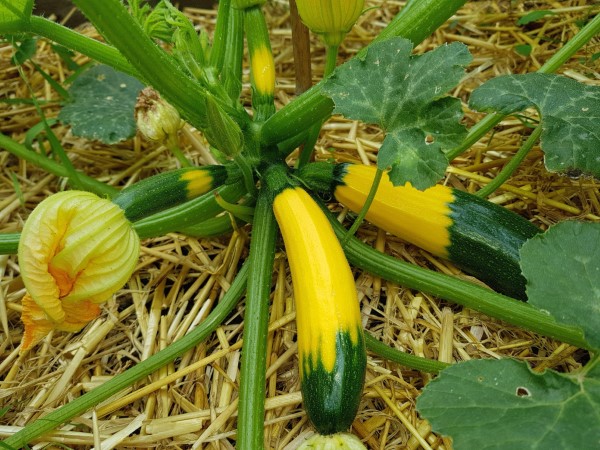
Seeing your zucchini plant, once vibrant and green, start to turn yellow can be a disheartening sight for any gardener. But don't fret! Yellowing leaves are a common problem, and often easily remedied once you understand the underlying cause. Let's explore the many reasons your zucchini might be losing its color and what you can do to bring it back to life.
Why is My Zucchini Plant Turning Yellow? Understanding the Culprits
There are several reasons why your zucchini plant might be turning yellow, and identifying the specific cause is crucial for effective treatment. Let's break down some of the most common culprits:
1. Watering Issues: Too Much or Too Little
Water is the lifeblood of any plant, and zucchini plants are no exception. But finding the right balance is key. Overwatering and underwatering can both lead to yellowing leaves, albeit for different reasons.
Overwatering: When zucchini plants sit in soggy soil, their roots are deprived of oxygen. This can lead to root rot, which prevents the plant from absorbing nutrients properly. The yellowing often starts with the lower leaves and progresses upwards.
Underwatering: On the other hand, if the soil becomes too dry, the plant struggles to transport water and nutrients to its leaves. The yellowing in this case often starts with the edges and tips of the leaves and spreads inwards.
How to Tell the Difference:
Here's a simple way to differentiate between overwatering and underwatering: stick your finger about two inches into the soil. If it feels soggy or waterlogged, you're likely overwatering. If it feels dry and crumbly, you're likely underwatering. Additionally, check the plant for signs of root rot. The roots may be mushy and brown instead of firm and white.
To help your zucchini thrive, consider that you can cultivate a variety of vibrant squash and zucchini with a packet ofZucchini and Squash Mix Seeds, featuring 12 non-GMO varieties. These delicious seeds are proudly grown in the USA and known for their prolific yields. Find them here:https://amzn.to/4j Gx DDx.
2. Nutrient Deficiencies: The Hungry Zucchini
Zucchini plants are heavy feeders and require a good supply of nutrients to thrive. Deficiencies in essential nutrients, such as nitrogen, magnesium, or iron, can cause yellowing leaves. Nitrogen deficiency is one of the most common.
Nitrogen Deficiency: Nitrogen is essential for chlorophyll production, the pigment that gives plants their green color. When nitrogen is lacking, the older, lower leaves often turn yellow first, as the plant redirects nitrogen to newer growth.
Magnesium Deficiency: Magnesium is also crucial for chlorophyll production and overall plant health. A magnesium deficiency can cause yellowing between the veins of older leaves, a condition called interveinal chlorosis.
Iron Deficiency: Similar to magnesium deficiency, iron deficiency can also cause interveinal chlorosis. However, it often affects newer leaves first.
Addressing Nutrient Deficiencies:
To address nutrient deficiencies, conduct a soil test to determine the specific nutrients that are lacking. Based on the results, amend the soil with appropriate fertilizers or organic matter. For example, blood meal is a good source of nitrogen, while Epsom salts can provide magnesium.
A balanced fertilizer formulated for vegetables, applied according to package directions, can often correct multiple nutrient deficiencies at once. Always be careful not to over-fertilize, as this can damage your plant.
3. Pests and Diseases: Uninvited Guests
Zucchini plants are susceptible to various pests and diseases that can cause yellowing leaves.
Squash Bugs and Vine Borers: These pests can damage the plant's vascular system, hindering its ability to transport water and nutrients. Yellowing leaves can be a sign of their presence. Squash bugs are visible on leaves and stems, while vine borers tunnel into the stem, often causing the plant to wilt and eventually die.
Powdery Mildew: This fungal disease creates a white, powdery coating on the leaves, which can eventually lead to yellowing and leaf death. It thrives in humid conditions with poor air circulation.
Cucumber Mosaic Virus: This virus can cause a variety of symptoms, including yellowing, mottling, and stunted growth. It is often transmitted by aphids.
Control Measures:
Controlling pests and diseases is essential for maintaining the health of your zucchini plant. Here are some strategies:Pests: Inspect your plants regularly for signs of pests. Handpick squash bugs and their eggs. Use row covers to prevent vine borers from laying eggs. Introduce beneficial insects, such as ladybugs, to control aphids.
Diseases: Improve air circulation by spacing plants properly. Water at the base of the plant to avoid wetting the foliage. Apply fungicides if necessary, following label instructions carefully. For viral diseases, remove and destroy infected plants to prevent the spread of the virus.
4. Natural Aging: The Cycle of Life
Like all living things, plants have a natural life cycle. As zucchini plants mature, the older leaves at the bottom may naturally turn yellow and die off. This is a normal process and usually not a cause for concern.
However, if yellowing occurs prematurely or affects a large number of leaves, it's likely due to one of the other factors discussed above.
5. Environmental Stress: Too Much Sun, Too Little Sun
Zucchini plants thrive in full sun, which is generally considered to be at least 6-8 hours of direct sunlight per day. However, in extremely hot climates, excessive sunlight can scorch the leaves and cause them to turn yellow or brown.
Conversely, insufficient sunlight can also lead to yellowing, as the plant is unable to produce enough chlorophyll for photosynthesis.
Mitigating Environmental Stress:
To protect your zucchini plants from environmental stress:Excessive Sun: Provide shade during the hottest part of the day, especially in hot climates. Use shade cloth or plant zucchini near taller plants that can offer some protection.
Insufficient Sun: Ensure that your zucchini plants are planted in a location that receives adequate sunlight. If necessary, transplant them to a sunnier spot.
How to Revive Your Yellowing Zucchini Plant
Now that you have a better understanding of the potential causes, let's discuss how to revive your yellowing zucchini plant:
1.Identify the Cause: Carefully observe your plant and its environment to determine the most likely cause of the yellowing. Consider watering practices, nutrient levels, pest presence, and environmental conditions.
2.Adjust Watering: Adjust your watering schedule to ensure that the soil is consistently moist but not waterlogged. Water deeply but infrequently, allowing the soil to dry out slightly between waterings.
3.Fertilize Appropriately: Conduct a soil test and amend the soil with appropriate fertilizers to correct any nutrient deficiencies. Follow package instructions carefully to avoid over-fertilizing.
4.Control Pests and Diseases: Implement appropriate pest and disease control measures, such as handpicking pests, applying insecticides or fungicides, and improving air circulation.
5.Provide Optimal Growing Conditions: Ensure that your zucchini plants receive adequate sunlight and protection from extreme weather conditions.
6.Prune Affected Leaves: Remove any severely yellowed or damaged leaves to prevent the spread of disease and encourage new growth.
Conclusion
Seeing your zucchini plant develop yellow leaves doesn't have to be a gardening disaster. By carefully observing your plants, understanding the potential causes, and taking appropriate action, you can often revive your yellowing zucchini plant and enjoy a bountiful harvest. Happy gardening!