Have you ever looked at your zucchini plant, overflowing with summer squash, and wondered if you could use more than just the fruit? You might be surprised to learn that there's a lesser-known edible part: the stalk! Yes, that sturdy stem supporting your prolific zucchini can be a delicious addition to your kitchen creations, reducing waste and adding a unique flavor to your meals. Exploring the Edibility of Zucchini Plant Stalk Many gardeners are familiar with the delight of harvesting fresh zucchini, but few consider the potential of the zucchini plant stalk. Understanding the nutritional value, preparation techniques, and safety considerations surrounding zucchini stalks can unlock a whole new culinary dimension for your garden bounty. So, is the zucchini stalk edible? The short answer is yes, but with a few important caveats. We need to consider the age of the plant and potential bitterness. Mature zucchini stalks, especially those from older plants,...
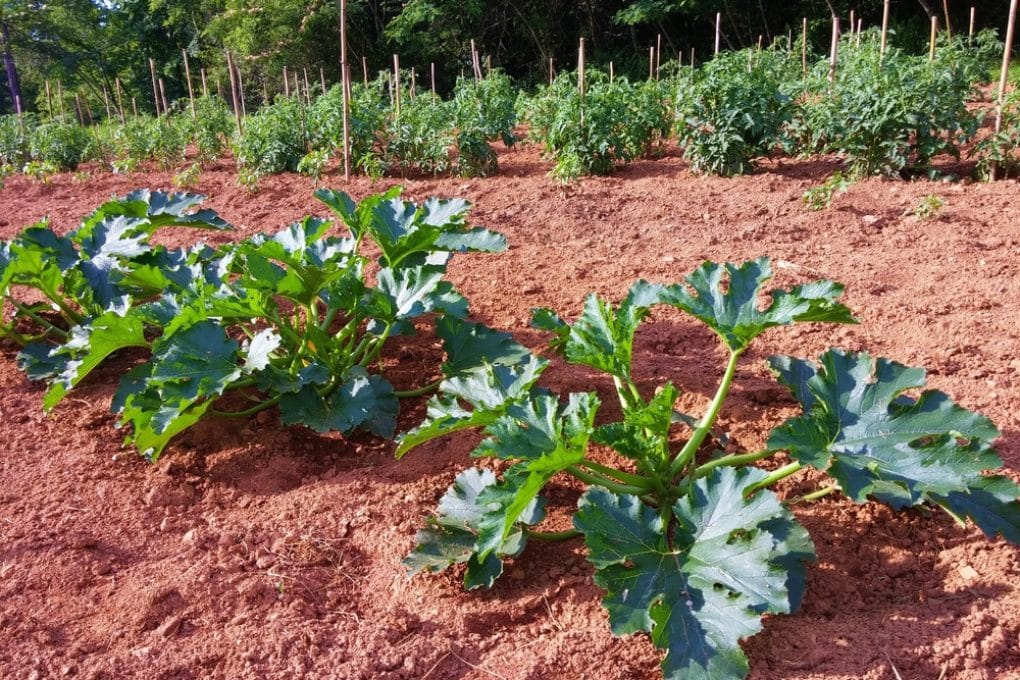
Seeing your zucchini plant, once a vibrant green, start to turn yellow can be disheartening. Is it getting enough sun? Too much water? Is it a sign of something serious? Don't worry, it's a common issue, and with a little detective work, you can often bring your plant back to health and enjoy a bountiful harvest.
Understanding Why Your Zucchini Plant Leaves are Turning Yellow
There are several reasons why your zucchini plant might be experiencing yellowing leaves. It's crucial to identify the cause accurately to implement the right solution. Think of it as diagnosing a patient – you need to understand the symptoms to prescribe the right treatment. Here are some common culprits:
Watering Issues: Too Much or Too Little
Water is life, but too much or too little can be detrimental. Overwatering can suffocate the roots, preventing them from absorbing nutrients, which then causes the leaves to turn yellow. Conversely, underwatering can lead to dehydration, also resulting in yellowing and wilting. Zucchini plants prefer consistently moist soil, but not soggy. The key is finding that sweet spot. Water deeply when the top inch of soil feels dry to the touch.
Consider the type of soil you're using. Well-draining soil is crucial, especially in containers. Heavy clay soil retains water and increases the risk of overwatering. Amend your soil with compost or other organic matter to improve drainage.
Nutrient Deficiencies
Like all plants, zucchini requires a balanced diet of essential nutrients. Deficiencies in nutrients like nitrogen, magnesium, and iron can all manifest as yellowing leaves.
Nitrogen deficiency often causes the older leaves to turn yellow first, starting from the tips and moving inward.
Magnesium deficiency can cause yellowing between the veins of the leaves, while the veins remain green.
Iron deficiency, also known as chlorosis, typically affects the newer leaves, causing them to turn yellow while the veins remain green.
A soil test can help identify any nutrient deficiencies. Based on the results, you can amend your soil with appropriate fertilizers or organic matter.
For example, Epsom salts (magnesium sulfate) can be used to address magnesium deficiency. Bone meal is a good source of phosphorus, while composted manure provides a slow-release source of nitrogen and other essential nutrients. A balanced fertilizer specifically formulated for vegetables can also be beneficial.
Pests and Diseases Causing Zucchini Plant Yellowing
Zucchini plants are susceptible to various pests and diseases that can cause leaves to turn yellow. Squash bugs, squash vine borers, aphids, and spider mites can all suck the sap from the leaves, weakening the plant and causing yellowing. Diseases like powdery mildew, downy mildew, and fusarium wilt can also cause leaf discoloration and eventual death.
Regularly inspect your plants for signs of pests or diseases. Look for insects on the leaves and stems, as well as any unusual spots or discoloration. Early detection is crucial for effective treatment.
Squash bugs are often found congregating on the undersides of leaves. Handpicking them or using insecticidal soap can help control infestations.
Squash vine borers are more challenging to manage, as they tunnel into the stems of the plant. Prevention is key. Wrap the base of the stem with aluminum foil or netting to prevent the moths from laying their eggs.
Powdery mildew appears as a white, powdery substance on the leaves. Improve air circulation around the plant and apply a fungicide if necessary.
Fusarium wilt is a soilborne fungal disease that can cause the plant to wilt and die. There is no cure for fusarium wilt. Remove and destroy infected plants to prevent the spread of the disease.
Environmental Stress: Sunscald and Temperature Fluctuations
Zucchini plants thrive in warm weather, but they can be stressed by extreme temperatures or excessive sunlight. Sunscald can occur when the fruits or leaves are exposed to intense sunlight, causing them to turn yellow or white. Temperature fluctuations, especially sudden drops in temperature, can also stress the plant and cause leaf discoloration.
Providing shade during the hottest part of the day can help prevent sunscald. A shade cloth or row cover can be used to protect the plants from excessive sunlight. If you live in an area with fluctuating temperatures, consider using a cold frame or greenhouse to provide a more stable environment for your zucchini plants. Keep a close watch on nighttime temperatures.
Here's a case study: a gardener in Arizona noticed their zucchini leaves turning yellow and developing white patches. They realized the plants were getting too much direct sunlight in the afternoon. By installing a shade cloth over the plants, they were able to reduce the sunscald and improve the health of the plants.
Natural Aging
As zucchini plants mature, it's natural for some of the older, lower leaves to turn yellow and die off. This is simply part of the plant's natural growth cycle. The plant is diverting its energy to new growth and fruit production, so it's no longer necessary to maintain those older leaves. Simply remove the yellowed leaves to improve air circulation and prevent the spread of disease.
Diagnosing the Cause of Yellowing Zucchini Leaves
Determining the exact cause of your zucchini leaves turning yellow requires careful observation and a process of elimination. Consider the following factors:
- Which leaves are affected? Are the older leaves turning yellow first, or the newer leaves?
- What is the pattern of yellowing? Is it uniform, or is it mottled or spotty?
- Are there any other symptoms? Are the leaves wilting, spotted, or covered in a powdery substance?
- What is the soil like? Is it well-draining, or is it heavy and compacted?
- Have you noticed any pests? Are there any insects on the leaves or stems?
By answering these questions, you can narrow down the possible causes and implement the appropriate solution.
Preventing Yellowing Leaves on Zucchini Plants
Prevention is always better than cure. Here are some tips for preventing yellowing leaves on your zucchini plants:
- Choose a sunny location with well-draining soil.
- Water deeply and regularly, but avoid overwatering.
- Fertilize regularly with a balanced fertilizer.
- Monitor your plants for pests and diseases and take action promptly.
- Provide shade during the hottest part of the day.
- Remove yellowed leaves promptly.
- Practice crop rotation to prevent soilborne diseases.
Looking to expand your garden with some unique varieties? Consider this Mix 50 Zucchini and Squash Mix Seeds, a delightful assortment of 12 Non-GMO, delicious types grown right here in the USA! You'll be amazed by these rare and super prolific options, perfect for any garden. Check it out here: https://amzn.to/4j Gx DDx
Treating Zucchini Plants with Yellow Leaves
Once you've identified the cause of the yellowing leaves, you can take steps to correct the problem. Here are some possible treatments:
- Adjust your watering schedule. If you're overwatering, allow the soil to dry out slightly between waterings. If you're underwatering, water more deeply and regularly.
- Fertilize your plants. Use a balanced fertilizer or amend your soil with compost or other organic matter.
- Control pests and diseases. Use insecticidal soap, horticultural oil, or fungicides as needed.
- Provide shade during the hottest part of the day.
- Remove yellowed leaves.
In many cases, addressing the underlying cause of the yellowing will be enough to restore your zucchini plant to health. However, in severe cases, you may need to take more drastic measures, such as transplanting the plant to a new location or replacing the soil.
Conclusion: Restoring Your Zucchini Plant to Health
Seeing your zucchini plant’s leaves turning yellow is often a signal, not a death sentence. By understanding the potential causes, carefully diagnosing the problem, and taking appropriate action, you can often bring your zucchini plant back to its former glory and enjoy a bountiful harvest. Remember to be patient and observant, and don't be afraid to experiment with different solutions until you find what works best for your plant. With a little care and attention, you'll be harvesting delicious zucchini in no time.