Have you ever looked at your zucchini plant, overflowing with summer squash, and wondered if you could use more than just the fruit? You might be surprised to learn that there's a lesser-known edible part: the stalk! Yes, that sturdy stem supporting your prolific zucchini can be a delicious addition to your kitchen creations, reducing waste and adding a unique flavor to your meals. Exploring the Edibility of Zucchini Plant Stalk Many gardeners are familiar with the delight of harvesting fresh zucchini, but few consider the potential of the zucchini plant stalk. Understanding the nutritional value, preparation techniques, and safety considerations surrounding zucchini stalks can unlock a whole new culinary dimension for your garden bounty. So, is the zucchini stalk edible? The short answer is yes, but with a few important caveats. We need to consider the age of the plant and potential bitterness. Mature zucchini stalks, especially those from older plants,...
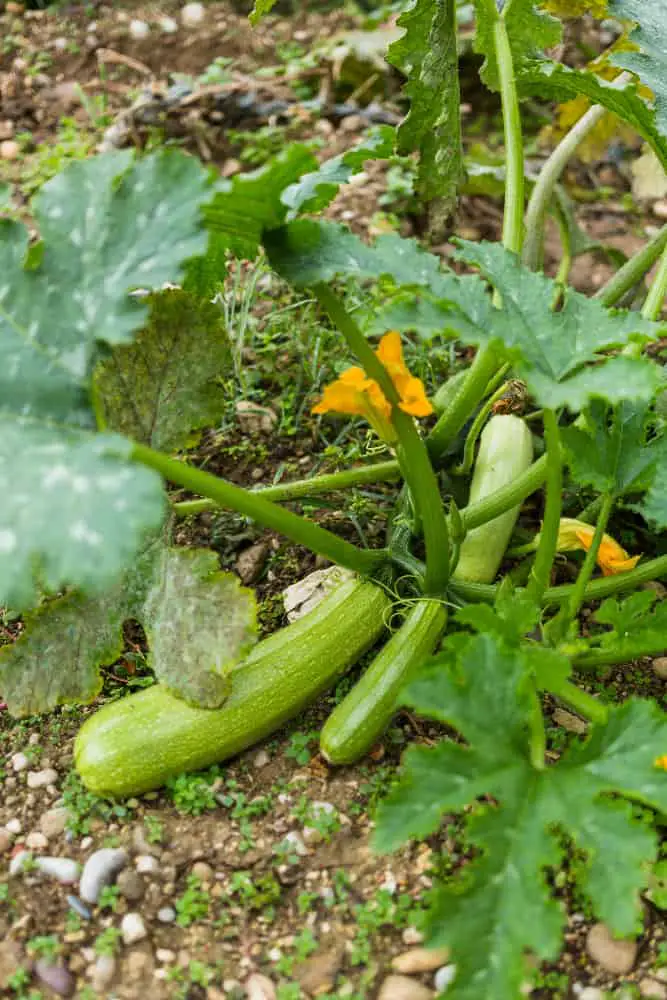
Have you ever looked at your zucchini plant and thought it was taking over your garden? Maybe the leaves are huge, blocking the sunlight from other plants, or perhaps you’re just not getting as many zucchini as you hoped. Well, pruning your zucchini plant might be the answer! It's a simple process that can significantly improve your harvest and the overall health of your garden.
Why Prune a Zucchini Plant?
Pruning a zucchini plant might seem counterintuitive – after all, you want it to produce lots of delicious zucchini, right? However, strategically removing certain leaves and stems can actually encourage more fruit production and prevent common problems. Think of it as giving your plant a little haircut to help it thrive!
Benefits of Pruning Zucchini Plants
There are several key benefits to pruning your zucchini plant. By understanding these advantages, you can decide if pruning is the right choice for your garden.
Improved Air Circulation
One of the most significant benefits of pruning is improved air circulation. Zucchini plants have large, dense leaves that can trap moisture and create a humid environment. This humid environment is a breeding ground for fungal diseases like powdery mildew, which can devastate your zucchini crop. By removing some of the older, lower leaves, you increase airflow around the plant, helping to dry out the leaves and prevent fungal infections. Think of it as opening up the plant to let it breathe! Good air circulation also helps pollinators find the flowers easier.
Increased Sunlight Penetration
Those big zucchini leaves can also block sunlight from reaching the inner parts of the plant and any neighboring plants. Sunlight is crucial for photosynthesis, which is how plants produce energy. By pruning away some of the larger leaves, you allow more sunlight to reach the developing zucchini and other plants in your garden. This can lead to more vigorous growth and a better overall yield. Think of it like clearing a path for the sun to shine on your precious zucchini!
Encouraged Fruit Production
Pruning can also encourage the plant to focus its energy on producing fruit rather than vegetative growth (leaves and stems). By removing older, less productive leaves, you redirect the plant's resources to the zucchini that are already developing. This can result in larger, healthier zucchini and a more abundant harvest. It's like telling your plant, "Hey, focus on making zucchini, not just growing leaves!"
Easier Harvesting
Dense foliage can make it difficult to find and harvest zucchini. Sometimes, they hide under the leaves and grow too large before you even realize they're there. Pruning makes it easier to spot the zucchini and harvest them at the optimal size. No more surprises when you finally venture into the zucchini jungle! You can easily see where the fruit is located and can harvest them early before they become baseball bats.
When to Prune Zucchini Plants
Knowing when to prune is just as important as knowing how. Pruning at the wrong time can stress the plant or even reduce your yield.
Timing is Key
The best time to start pruning your zucchini plant is after it has established itself and begun producing fruit. Typically, this is about 6-8 weeks after planting. Avoid pruning too early, as the plant needs its leaves to develop a strong root system. You can continue to prune throughout the growing season as needed. Keep an eye on your plant and prune whenever you notice excessive foliage, signs of disease, or difficulty harvesting.
Recognizing Signs of Overgrowth
Look for these signs that your zucchini plant needs pruning:
- Excessive foliage that blocks sunlight from reaching the developing fruit.
- Yellowing or browning leaves, especially those closest to the ground.
- Signs of fungal diseases, such as powdery mildew (white, powdery spots on the leaves).
- Difficulty finding and harvesting zucchini due to dense foliage.
How to Prune a Zucchini Plant: A Step-by-Step Guide
Now that you know why and when to prune, let's get down to the nitty-gritty of how to actually do it.
Tools You'll Need
- Sharp, clean pruning shears or a knife. Cleanliness is crucial to prevent the spread of disease. Wipe your tools with rubbing alcohol before and after pruning.
- Gloves (optional, but recommended to protect your hands).
- A bucket or bag for collecting the pruned leaves.
Step-by-Step Pruning Process
- Inspect the Plant: Start by carefully inspecting your zucchini plant. Look for yellowing or browning leaves, leaves with signs of disease, and leaves that are blocking sunlight from reaching the fruit.
- Remove Yellowing or Browning Leaves: These leaves are no longer contributing to the plant's health and can be safely removed. Cut them off close to the base of the plant.
- Remove Diseased Leaves: If you see any leaves with signs of fungal disease, remove them immediately. Dispose of these leaves in a separate bag to prevent the spread of the disease to other plants. Do not compost them.
- Thin Out the Foliage: Remove some of the larger, older leaves to improve air circulation and sunlight penetration. Focus on removing leaves that are closest to the ground and those that are blocking the sun. Aim to remove no more than one-third of the plant's leaves at any one time.
- Prune Select Leaves: In some cases, the only thing you might want to do is to prune some specific leaves. Usually, the leaves that you want to prune are the ones that are damaged, sick, yellow, or have been damaged by a pest.
- Remove Male Flowers (Optional): Zucchini plants produce both male and female flowers. The female flowers have a small zucchini fruit at the base, while the male flowers do not. Male flowers are needed to pollinate the female flowers, but you can remove some of them if you have an abundance of male flowers. This can help the plant focus its energy on producing fruit. Look for male flowers that are at the end of their bloom cycle.
- Clean Up: Once you're done pruning, clean up any fallen leaves around the plant. This will help prevent the spread of disease.
Pruning for Specific Situations: Example Scenarios
Sometimes, you might encounter specific situations that require a slightly different approach to pruning.
Pruning for Powdery Mildew
Powdery mildew is a common fungal disease that affects zucchini plants. It appears as white, powdery spots on the leaves. If your plant is affected by powdery mildew, it's crucial to prune away the affected leaves as soon as possible. In severe cases, you may need to remove a significant portion of the plant's foliage. Be sure to dispose of the infected leaves properly to prevent the disease from spreading. In general, ensure good air circulation and reduce soil splash onto the leaves by adding mulch. Consider choosing zucchini varieties that are resistant to powdery mildew, such as 'Astia' or 'Partenon'.
Pruning for Space Constraints
If you're growing zucchini in a small garden or container, you may need to prune more aggressively to keep the plant from taking over. In this case, focus on removing the larger leaves and any sprawling stems that are taking up too much space. You can also consider growing bush varieties of zucchini, which are naturally more compact. You can even buy grow bag containers for easier growth.
Are you looking to add some unique varieties to your zucchini patch? Consider aMix 50 Zucchini and Squash Mix Seeds, a collection of 12 Non-GMO varieties that are both delicious and grown right here in the USA. These rare and super prolific seeds could bring some exciting new flavors to your summer harvest. You can find them on Amazon here:Mix 50 Zucchini and Squash Mix Seeds.
Common Mistakes to Avoid When Pruning Zucchini
While pruning is generally beneficial, it's important to avoid these common mistakes:
Over-Pruning
Removing too many leaves can stress the plant and reduce its ability to photosynthesize. Never remove more than one-third of the plant's leaves at any one time. It is important to note that the leaves capture sun to help fuel the plant. Removing too many leaves can also result in sun scald, especially in the south.
Using Dull or Dirty Tools
Using dull or dirty tools can damage the plant and introduce disease. Always use sharp, clean pruning shears or a knife.
Pruning in Wet Conditions
Pruning in wet conditions can increase the risk of fungal infections. Avoid pruning when the leaves are wet. Consider pruning during the late morning, so cuts have time to dry and callous over by the end of the day.
Ignoring the Plant's Needs
Every plant is different, so it's important to pay attention to your plant's specific needs and adjust your pruning accordingly. Watch your zucchini plant daily. This will help with keeping the zucchini plants pruned.
Conclusion: Pruning for a Bountiful Harvest
Pruning a zucchini plant is a simple yet effective way to improve air circulation, increase sunlight penetration, encourage fruit production, and make harvesting easier. By following these tips and avoiding common mistakes, you can help your zucchini plant thrive and enjoy a bountiful harvest of delicious zucchini all season long. So, grab your pruning shears and get ready to give your zucchini plant a little TLC!