Have you ever looked at your zucchini plant, overflowing with summer squash, and wondered if you could use more than just the fruit? You might be surprised to learn that there's a lesser-known edible part: the stalk! Yes, that sturdy stem supporting your prolific zucchini can be a delicious addition to your kitchen creations, reducing waste and adding a unique flavor to your meals. Exploring the Edibility of Zucchini Plant Stalk Many gardeners are familiar with the delight of harvesting fresh zucchini, but few consider the potential of the zucchini plant stalk. Understanding the nutritional value, preparation techniques, and safety considerations surrounding zucchini stalks can unlock a whole new culinary dimension for your garden bounty. So, is the zucchini stalk edible? The short answer is yes, but with a few important caveats. We need to consider the age of the plant and potential bitterness. Mature zucchini stalks, especially those from older plants,...
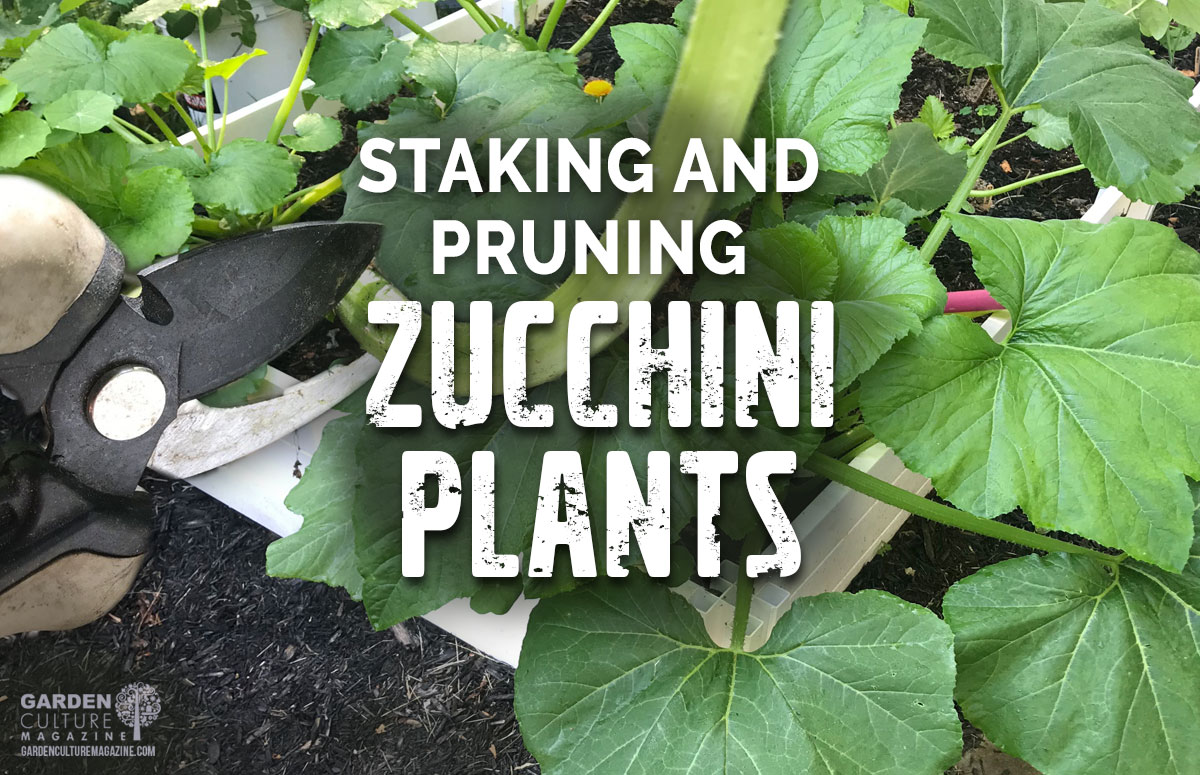
Ever wonder why your zucchini plant is producing a ton of leaves but only a few zucchinis? Or maybe it's become a sprawling jungle, taking over your entire garden. Pruning your zucchini plant could be the answer! It's a simple process that can dramatically improve your harvest and the overall health of your plant. Let's dive into how to prune zucchini plants and unlock their full potential.
Understanding the Importance of Pruning Zucchini Plants
Pruning zucchini plants isn't just about aesthetics; it's about optimizing the plant's energy and resources. Think of it like this: a zucchini plant with too many leaves is like a runner wearing a heavy backpack. All that extra foliage requires energy to maintain, energy that could be used to produce more fruit.Pruning redirects the plant's energy, promoting better air circulation, sunlight penetration, and ultimately, a more abundant harvest.
Why You Should Prune Your Zucchini Plant
There are several key reasons why pruning a zucchini plant is a good idea. Let's explore them in detail:
- Improved Air Circulation: Dense foliage can trap moisture, creating a breeding ground for fungal diseases like powdery mildew. Pruning opens up the plant, allowing air to circulate freely and reducing the risk of disease.
- Increased Sunlight Penetration: Zucchini fruits need sunlight to ripen properly. By removing some of the larger leaves, you allow more sunlight to reach the developing fruits, resulting in better color and flavor.
- Enhanced Fruit Production: As mentioned earlier, pruning redirects the plant's energy towards fruit production. This can lead to a significant increase in the number and size of your zucchinis.
- Easier Harvesting: A well-pruned zucchini plant is easier to navigate, making harvesting much simpler and less likely to damage the plant or other fruits.
- Pest Control: Good airflow and sunlight can deter pests like squash bugs and vine borers.
When to Prune Your Zucchini Plants
Knowing when to prune is just as important as knowing how to prune. The best time to start pruning your zucchini plant is usually mid-summer, once the plant is established and producing fruit. Avoid pruning during extremely hot or dry weather, as this can stress the plant. Here's a general guideline:
- Established Plants: Once the plant is actively producing fruit, you can start pruning.
- After Harvest: Remove any yellowing or damaged leaves immediately after harvesting a zucchini.
- Regular Maintenance: Check your plant weekly and remove any leaves that are touching the ground or blocking sunlight.
Tools You'll Need for Pruning Zucchini Plants
Before you start pruning, gather the following tools:
- Sharp Pruning Shears or Scissors: A sharp blade is essential for making clean cuts, which will help prevent disease.
- Gloves: To protect your hands from thorns and potential irritants.
- Rubbing Alcohol or Bleach Solution: To disinfect your pruning shears before and after each use. This prevents the spread of diseases.
- Trash Can or Compost Bin: To dispose of the pruned leaves.
It's incredibly satisfying to grow your own food, and a mix of zucchini and squash varieties can add a lot of fun to your garden! Consider theMix 50 Zucchini and Squash Mix Seeds, boasting 12 varieties that are Non-GMO and Grown in the USA! It's a rare and super prolific mix, promising a delicious harvest. You can find this seed variety here:https://amzn.to/4j Gx DDx.
How To Prune Zucchini Plant: A Step-by-Step Guide
Now, let's get to the practical part – the actual pruning process. Follow these steps for optimal results:
- Identify Problem Areas: Start by inspecting your zucchini plant for yellowing, damaged, or overcrowded leaves. Pay particular attention to leaves that are touching the ground or blocking sunlight from reaching the fruits.
- Remove Yellow or Diseased Leaves: These leaves are no longer contributing to the plant's health and can harbor diseases. Cut them off at the base of the stem, close to the main stalk.
- Prune Large, Overcrowded Leaves: Focus on the largest leaves that are blocking sunlight or hindering air circulation. Remove these leaves by cutting them off at the base of the stem. Don't remove too many leaves at once; aim for a gradual thinning.
- Remove Suckers: Suckers are small shoots that grow from the base of the plant. They drain energy from the main plant and should be removed.
- Prune Male Flowers (Optional): If your plant is producing a lot of male flowers but few female flowers (the ones that produce zucchinis), you can prune some of the male flowers to encourage the plant to produce more female flowers. Male flowers are easily identifiable by their long, thin stems.
- Clean Up: After pruning, remove all the pruned leaves from around the plant to prevent the spread of diseases.
Tips for Successful Zucchini Pruning
Here are some extra tips to ensure you get the most out of pruning your zucchini plants:
- Prune Regularly: Don't wait until your plant is completely overgrown. Regular pruning is much easier and less stressful for the plant.
- Don't Over-Prune: Removing too many leaves can weaken the plant and reduce its ability to photosynthesize. Aim to remove only the necessary leaves. A general rule of thumb is to not remove more than one-third of the plant's foliage at any given time.
- Disinfect Your Tools: Always disinfect your pruning shears before and after each use to prevent the spread of diseases.
- Water and Fertilize After Pruning: Pruning can be a bit stressful for the plant, so be sure to water and fertilize it afterwards to help it recover.
- Observe Your Plant: Pay attention to how your plant responds to pruning. Adjust your pruning techniques as needed.
Troubleshooting Common Zucchini Pruning Problems
Even with the best intentions, things can sometimes go wrong. Here are some common problems and how to address them:
- Plant Looks Stressed After Pruning: This is usually due to over-pruning or pruning during stressful weather conditions. Water and fertilize the plant, and avoid further pruning until it recovers.
- Diseases Develop After Pruning: This is often due to using dirty pruning tools. Always disinfect your tools before and after each use.
- No Improvement in Fruit Production: This could be due to other factors, such as poor soil quality, insufficient sunlight, or pest infestations. Address these issues in addition to pruning.
By following these simple steps and tips, you can successfully prune your zucchini plants and enjoy a bountiful harvest of delicious zucchinis. Happy gardening!