Have you ever looked at your zucchini plant, overflowing with summer squash, and wondered if you could use more than just the fruit? You might be surprised to learn that there's a lesser-known edible part: the stalk! Yes, that sturdy stem supporting your prolific zucchini can be a delicious addition to your kitchen creations, reducing waste and adding a unique flavor to your meals. Exploring the Edibility of Zucchini Plant Stalk Many gardeners are familiar with the delight of harvesting fresh zucchini, but few consider the potential of the zucchini plant stalk. Understanding the nutritional value, preparation techniques, and safety considerations surrounding zucchini stalks can unlock a whole new culinary dimension for your garden bounty. So, is the zucchini stalk edible? The short answer is yes, but with a few important caveats. We need to consider the age of the plant and potential bitterness. Mature zucchini stalks, especially those from older plants,...
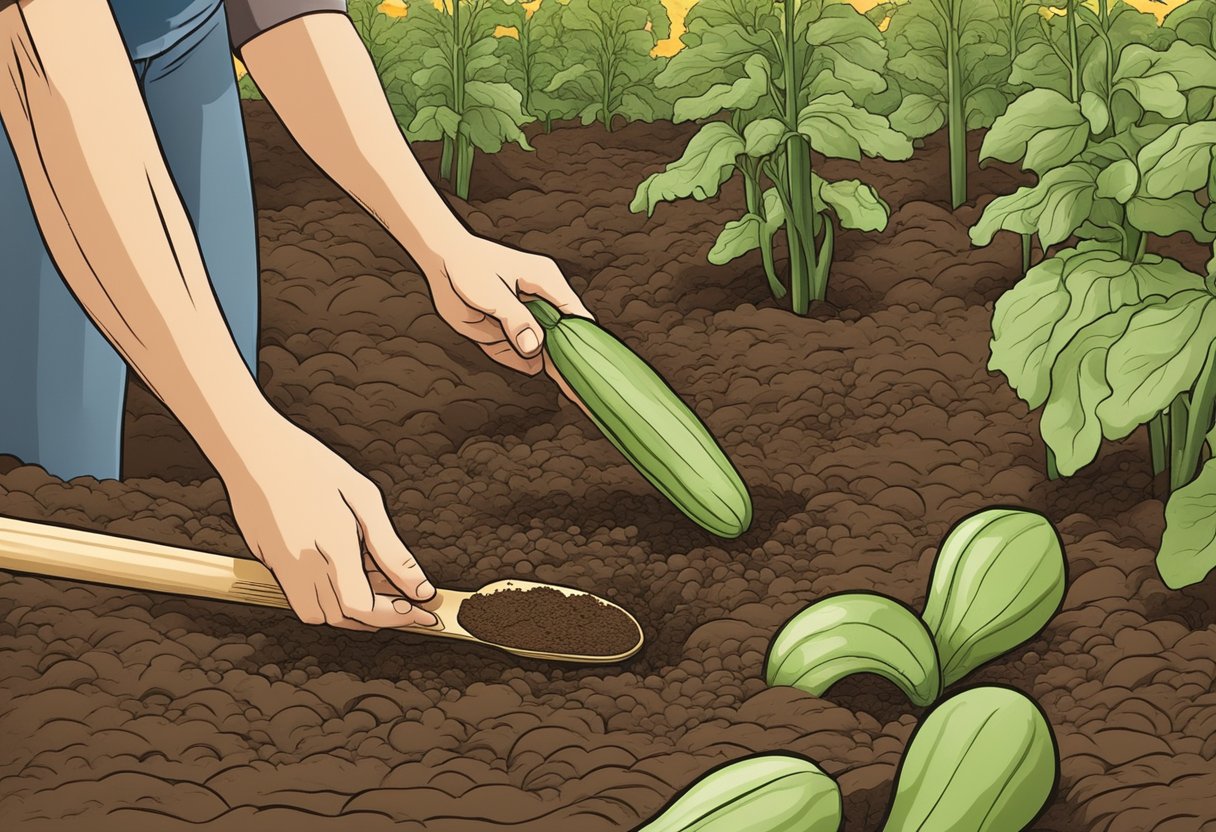
Imagine biting into a fresh, juicy zucchini, bursting with summer flavor. Planting your own zucchini from seeds is easier than you might think! It's a rewarding experience that brings the taste of homegrown goodness right to your table. Get ready to learn how to plant zucchini from seeds and enjoy a bountiful harvest!
Getting Started: Why Plant Zucchini From Seeds?
There's a unique satisfaction in growing your own food, and zucchini is no exception. Planting zucchini from seeds offers several advantages over buying transplants. Firstly, you have a wider selection of varieties to choose from. You're not limited to what the local garden center carries. Secondly, starting from seed is often more economical, especially if you plan on planting a large number of zucchini plants. Finally, you control the entire growing process, from soil to harvest, ensuring your zucchini are grown organically and sustainably, if you choose.
Here are a few compelling reasons to start your zucchini journey from seeds:
Cost-Effective: Seeds are significantly cheaper than established plants. Variety Selection: Explore a vast range of zucchini varieties beyond what's commercially available. Control Over Growing Practices: Ensure organic and sustainable gardening. Sense of Accomplishment: Experience the satisfaction of nurturing a plant from seed to harvest. Adaptation:Seedlings grown from seed tend to adapt better to your local climate.
Speaking of variety, if you're looking for a fun way to diversify your garden, consider a diverse seed mix. There are some great options available on Amazon, such as a special Mix 50 Zucchini and Squash Mix Seeds 12 Varieties. This Non-GMO Delicious Grown in USA seed packet offers a rare and super prolific selection for you to try. If you're curious, you can find this mixed package of seeds right here: https://amzn.to/4j Gx DDx.
When is the Right Time to Plant Zucchini Seeds?
Timing is crucial for successful zucchini cultivation. Zucchini are warm-season vegetables and are highly susceptible to frost damage. The ideal time to plant zucchini seeds is after all danger of frost has passed, and the soil has warmed to at least 60°F (15°C). This typically occurs in late spring or early summer, depending on your geographic location and climate.
Here’s a quick guide to help you determine the best planting time:
Last Expected Frost Date: Find out the average date of the last frost in your area. This information is readily available online from local agricultural extension offices or weather services. Soil Temperature: Use a soil thermometer to measure the soil temperature at a depth of 4 inches. Plant only when the soil consistently reaches at least 60°F (15°C). Hardiness Zones: Zucchini thrives in USDA plant hardiness zones 3-10. Your hardiness zone can give you a general idea of the optimal planting window. Direct Sowing vs. Starting Indoors: You can either direct sow zucchini seeds into the garden or start them indoors a few weeks before the last frost. Starting indoors gives you a head start on the growing season.
A good rule of thumb is to plant zucchini seeds 2-3 weeks after the last expected frost date.
Step-by-Step Guide: How to Plant Zucchini From Seeds
Preparing the Soil
Zucchini plants are heavy feeders, meaning they require nutrient-rich soil to thrive. Proper soil preparation is essential for a successful harvest. Choose a location that receives at least 6-8 hours of direct sunlight per day. Zucchini plants need plenty of sunshine to produce abundant fruit. Clear the area of any weeds, rocks, or debris.
Follow these steps to prepare the soil:
1.Soil Testing: Conduct a soil test to determine the p H level and nutrient content of your soil. Zucchini prefers a slightly acidic to neutral soil p H of
6.0 to
7.5.
2.Amendment: Amend the soil with plenty of organic matter, such as compost, well-rotted manure, or leaf mold. Organic matter improves soil drainage, aeration, and fertility.
3.Tilling or Digging: Till or dig the soil to a depth of at least 12 inches to loosen it up and improve drainage.
4.Fertilizing: Incorporate a slow-release fertilizer into the soil according to the package instructions. Choose a fertilizer that is rich in phosphorus and potassium, which are essential for fruit development.
Sowing the Seeds
Now that your soil is prepared, it's time to sow the zucchini seeds. You can either direct sow the seeds into the garden or start them indoors for a head start.
Direct Sowing:
1.Spacing: Sow the seeds 1 inch deep and 2-3 feet apart in rows that are 3-4 feet apart. Zucchini plants need plenty of space to grow.
2.Watering: Water the soil thoroughly after sowing the seeds. Keep the soil consistently moist but not waterlogged until the seeds germinate.
3.Thinning: Once the seedlings emerge, thin them to one plant per hill. Choose the strongest, healthiest seedlings and remove the rest.
Starting Seeds Indoors:
1.Containers: Use peat pots or seedling trays filled with a seed-starting mix.
2.Sowing: Sow the seeds 1 inch deep in the containers.
3.Watering: Water the seed-starting mix thoroughly and keep it moist but not waterlogged.
4.Warmth: Place the containers in a warm location, such as a sunny windowsill or under grow lights. The ideal germination temperature is 70-80°F (21-27°C).
5.Transplanting: Once the seedlings have developed 2-3 true leaves and the weather has warmed up, transplant them into the garden. Harden off the seedlings by gradually exposing them to outdoor conditions for a week before transplanting.
Caring for Zucchini Plants
Once your zucchini plants are established, provide them with the proper care to ensure a bountiful harvest. Consistent care will minimize pests and diseases and boost your overall yield.
Here are some essential care tips:
Watering: Water deeply and regularly, especially during dry periods. Zucchini plants need at least 1 inch of water per week. Avoid overhead watering, which can promote fungal diseases. Water at the base of the plants to keep the foliage dry. Fertilizing: Side-dress the plants with compost tea or a balanced fertilizer every 2-3 weeks. Weeding: Keep the area around the plants free of weeds. Weeds compete with zucchini plants for water, nutrients, and sunlight. Pest and Disease Control: Monitor the plants regularly for pests and diseases. Common zucchini pests include squash bugs, squash vine borers, and aphids. Common diseases include powdery mildew and squash mosaic virus. Use organic pest control methods, such as insecticidal soap or neem oil, to control pests. Apply a fungicide to control fungal diseases. Pollination:Zucchini plants have separate male and female flowers. Pollination is necessary for fruit development. If you notice that the zucchini fruits are not developing properly, you may need to hand-pollinate the flowers.
A balanced approach to watering, feeding, and pest control will ensure your plants grow and thrive.
Harvesting Zucchini
Zucchini is a fast-growing vegetable, and you can typically start harvesting fruits about 50-60 days after planting. Harvest the zucchini fruits when they are young and tender, typically 6-8 inches long. Use a sharp knife to cut the zucchini from the plant, leaving a short stem attached. Regular harvesting encourages the plant to produce more fruits.
Here are some harvesting tips:
Timing: Harvest zucchini when they are young and tender. Overripe zucchini can become tough and seedy. Frequency: Harvest regularly, every 2-3 days, to encourage continuous production. Storage:Store zucchini in the refrigerator for up to a week.
Enjoy your delicious homegrown zucchini in a variety of dishes, from grilled zucchini to zucchini bread!