Have you ever looked at your zucchini plant, overflowing with summer squash, and wondered if you could use more than just the fruit? You might be surprised to learn that there's a lesser-known edible part: the stalk! Yes, that sturdy stem supporting your prolific zucchini can be a delicious addition to your kitchen creations, reducing waste and adding a unique flavor to your meals. Exploring the Edibility of Zucchini Plant Stalk Many gardeners are familiar with the delight of harvesting fresh zucchini, but few consider the potential of the zucchini plant stalk. Understanding the nutritional value, preparation techniques, and safety considerations surrounding zucchini stalks can unlock a whole new culinary dimension for your garden bounty. So, is the zucchini stalk edible? The short answer is yes, but with a few important caveats. We need to consider the age of the plant and potential bitterness. Mature zucchini stalks, especially those from older plants,...
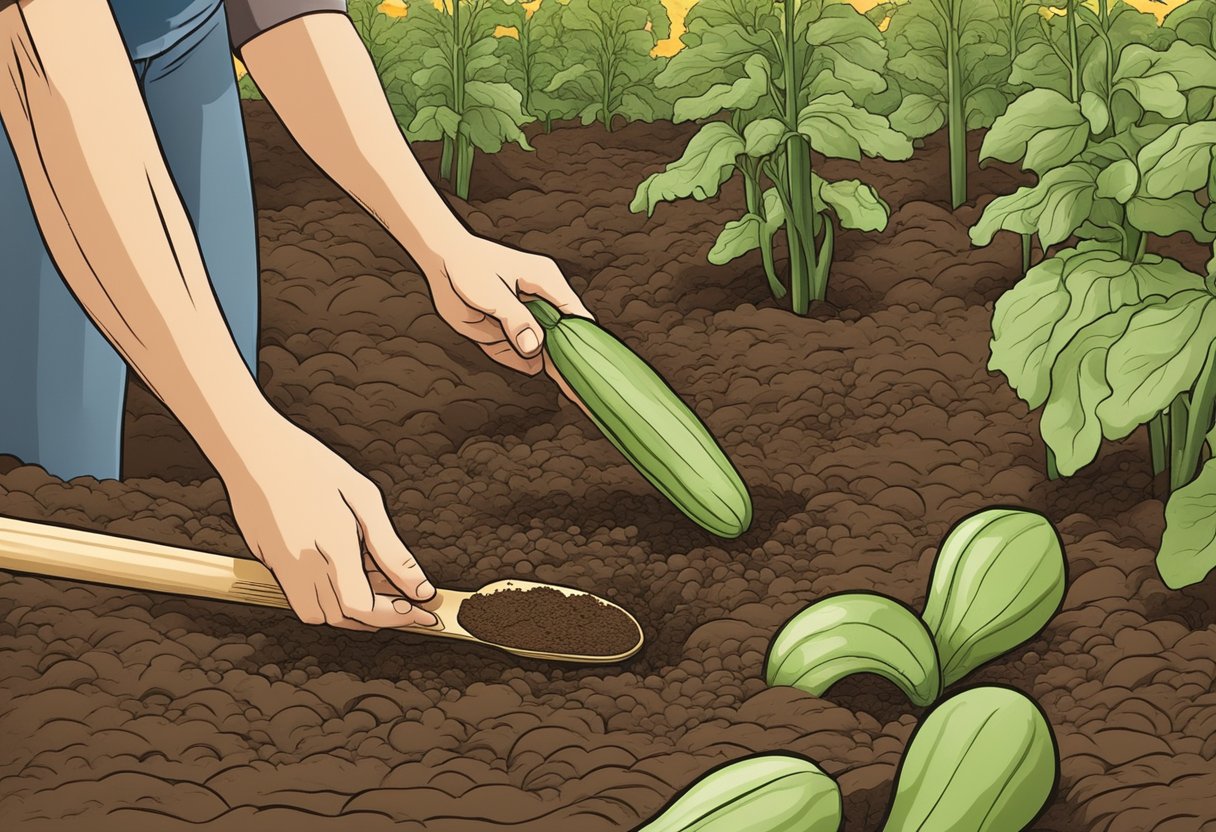
There's nothing quite like biting into a fresh, homegrown zucchini on a warm summer day. But the journey from seed to table starts with timing. Get the planting time wrong, and you might miss out on the bounty of zucchini goodness altogether. Knowing exactlywhen to plant zucchini seeds is crucial for a successful harvest. Let’s explore the optimal time for planting those little green wonders and how to ensure a bumper crop!
Understanding Zucchini's Growing Needs
Zucchini, a type of summer squash, are warm-weather plants, meaning they absolutelyhatefrost. These plants are sensitive to cold temperatures, and a late frost can easily kill young seedlings. Think of them as sun-loving vacationers; they thrive when the sun is shining and the weather is warm. To understandwhen to plant zucchini seed, you must first be aware of their growing requirements.
Ideal Temperature Range
The ideal soil temperature for germinating zucchini seeds is between 65°F and 75°F (18°C and 24°C). Soil thermometers are an excellent tool to monitor your soil temperature, so you can take the guesswork out of planting. Air temperature is also important. Zucchini plants thrive in daytime temperatures between 70°F and 85°F (21°C and 29°C). Nighttime temperatures should ideally stay above 55°F (13°C).
If you plant zucchini seeds when the soil is too cold, they will likely rot before they even have a chance to sprout. Even if they do sprout, the plants will grow slowly and be more susceptible to diseases and pests. Patience is key! Wait for the soil to warm up before planting. This is one of the most common mistakes when planting zucchini. Here is a quick reference table:
| Temperature Type | Ideal Range |
|---|---|
| Soil Temperature | 65°F - 75°F (18°C - 24°C) |
| Daytime Air Temperature | 70°F - 85°F (21°C - 29°C) |
| Nighttime Air Temperature | Above 55°F (13°C) |
The Importance of Sunlight
Zucchini plants are heavy feeders, and sunlight is their primary energy source. They need at least 6-8 hours of direct sunlight per day to produce a good yield. Choose a planting location that gets plenty of sunshine. If your garden is shaded, consider growing zucchini in containers that can be moved to sunnier spots as needed.
Figuring Out When To Plant Zucchini Seeds: A Regional Guide
The best time to plant zucchini seeds largely depends on your local climate and growing season. Here's a general guideline for different regions:
Cool Climates (Zones 3-5)
In cooler climates with shorter growing seasons, start zucchini seeds indoors about 3-4 weeks before the last expected frost. This gives the plants a head start. Transplant them outdoors after the danger of frost has passed and the soil has warmed up. Aim for late May or early June forplanting zucchini seeds outdoors. You could also try using row covers or cloches to protect young plants from unexpected cold snaps.
Temperate Climates (Zones 6-7)
In temperate climates, you have more flexibility. You can direct sow zucchini seeds outdoors after the last frost, typically in late April or early May. Alternatively, you can start seeds indoors a few weeks earlier for an even earlier harvest. Soil temperature is a key determinant. It is ideal forwhen to plant zucchini seed.
Warm Climates (Zones 8-10)
In warmer climates with long growing seasons, you can plant zucchini seeds directly outdoors in early spring, as soon as the soil is warm enough. You may even be able to plant a second crop in late summer for a fall harvest. The ideal timeframe forplanting zucchini seeds is between February and April. Note that zucchini can be very prolific in these climates.
Specific Zone Considerations
Keep in mind that these are just general guidelines. The specific planting date can vary depending on the microclimate of your garden. For instance, a garden in a sheltered location may warm up earlier than a garden in an exposed area. The best way to determine the right planting time is to monitor your local weather conditions and soil temperature.
For those looking to grow a variety of zucchini and squash, you might be interested in the Mix 50 Zucchini and Squash Mix Seeds, featuring 12 Non-GMO, delicious varieties grown in the USA. This Rare Super Prolific mix offers a fantastic opportunity to diversify your garden. Check it out here: https://amzn.to/4j Gx DDx.
Direct Sowing vs. Starting Indoors
You have two main options for starting your zucchini plants: direct sowing (planting seeds directly in the garden) or starting seeds indoors and transplanting the seedlings later.
Direct Sowing Advantages and Disadvantages
Direct sowing is the simplest method. It avoids the risk of transplant shock, which can sometimes stunt the growth of young seedlings. However, direct sowing also means that the seeds are exposed to the elements, including pests, diseases, and unfavorable weather conditions. This can lead to lower germination rates and slower growth. It also requires that you knowwhen to plant zucchini seed outdoors at the correct time.
Starting Indoors Advantages and Disadvantages
Starting seeds indoors gives you more control over the growing environment. You can ensure that the seedlings get the right amount of light, moisture, and nutrients. This can lead to stronger, healthier plants. Starting indoors also allows you to get a head start on the growing season, especially in cooler climates. However, transplanting seedlings can be stressful for the plants, and it requires more time and effort. You'll also need to harden off the seedlings before transplanting them outdoors to acclimate them to the outdoor conditions gradually.
Step-by-Step Guide to Planting Zucchini Seeds
Whether you choose to direct sow or start indoors, here's a step-by-step guide to planting zucchini seeds:
- Prepare the soil: Choose a sunny location with well-drained soil. Amend the soil with compost or other organic matter to improve fertility and drainage.
- Sow the seeds: Sow the seeds about 1 inch deep and 2-3 feet apart. If starting indoors, sow the seeds in individual pots or seedling trays.
- Water regularly: Keep the soil consistently moist, but not waterlogged. Water deeply at the base of the plants, avoiding wetting the foliage.
- Thin the seedlings: If you direct sow, thin the seedlings to one plant per hill once they have a few true leaves.
- Fertilize: Fertilize the plants every 2-3 weeks with a balanced fertilizer.
Troubleshooting Common Zucchini Problems
Even with the best planning, you might encounter some challenges when growing zucchini. Here are some common problems and how to address them:
Powdery Mildew
Powdery mildew is a fungal disease that can affect zucchini plants, especially in humid conditions. It appears as a white, powdery coating on the leaves. To prevent powdery mildew, ensure good air circulation around the plants, avoid overhead watering, and use a fungicide if necessary. Varieties that are mildew resistant can also be planted. This will help you knowwhen to plant zucchini seeds the next season.
Squash Vine Borers
Squash vine borers are pests that can tunnel into the stems of zucchini plants, causing them to wilt and die. To prevent squash vine borers, wrap the base of the stems with aluminum foil or pantyhose to prevent the borers from laying their eggs. You can also use row covers to protect the plants. Regular inspection of the stems can also help you identify and remove borers early on.
Lack of Pollination
Zucchini plants require pollination to produce fruit. If you're not seeing any fruit develop, it could be due to a lack of pollinators. To attract more pollinators to your garden, plant flowers that attract bees and other beneficial insects. You can also hand-pollinate the flowers by transferring pollen from the male flowers to the female flowers. Note that female flowers have a small fruit at the base, while male flowers do not.
Harvesting Your Zucchini Crop
Zucchini plants are known for their prolific production. You can typically start harvesting zucchini about 50-60 days after planting. Harvest the fruits when they are young and tender, about 6-8 inches long. Regular harvesting will encourage the plants to produce more fruit. Overripe zucchini can become tough and seedy.
By following these tips and tricks, you'll be well on your way to enjoying a bountiful harvest of delicious, homegrown zucchini. Remember, knowingwhen to plant zucchini seeds is half the battle. Happy gardening!