Have you ever looked at your zucchini plant, overflowing with summer squash, and wondered if you could use more than just the fruit? You might be surprised to learn that there's a lesser-known edible part: the stalk! Yes, that sturdy stem supporting your prolific zucchini can be a delicious addition to your kitchen creations, reducing waste and adding a unique flavor to your meals. Exploring the Edibility of Zucchini Plant Stalk Many gardeners are familiar with the delight of harvesting fresh zucchini, but few consider the potential of the zucchini plant stalk. Understanding the nutritional value, preparation techniques, and safety considerations surrounding zucchini stalks can unlock a whole new culinary dimension for your garden bounty. So, is the zucchini stalk edible? The short answer is yes, but with a few important caveats. We need to consider the age of the plant and potential bitterness. Mature zucchini stalks, especially those from older plants,...
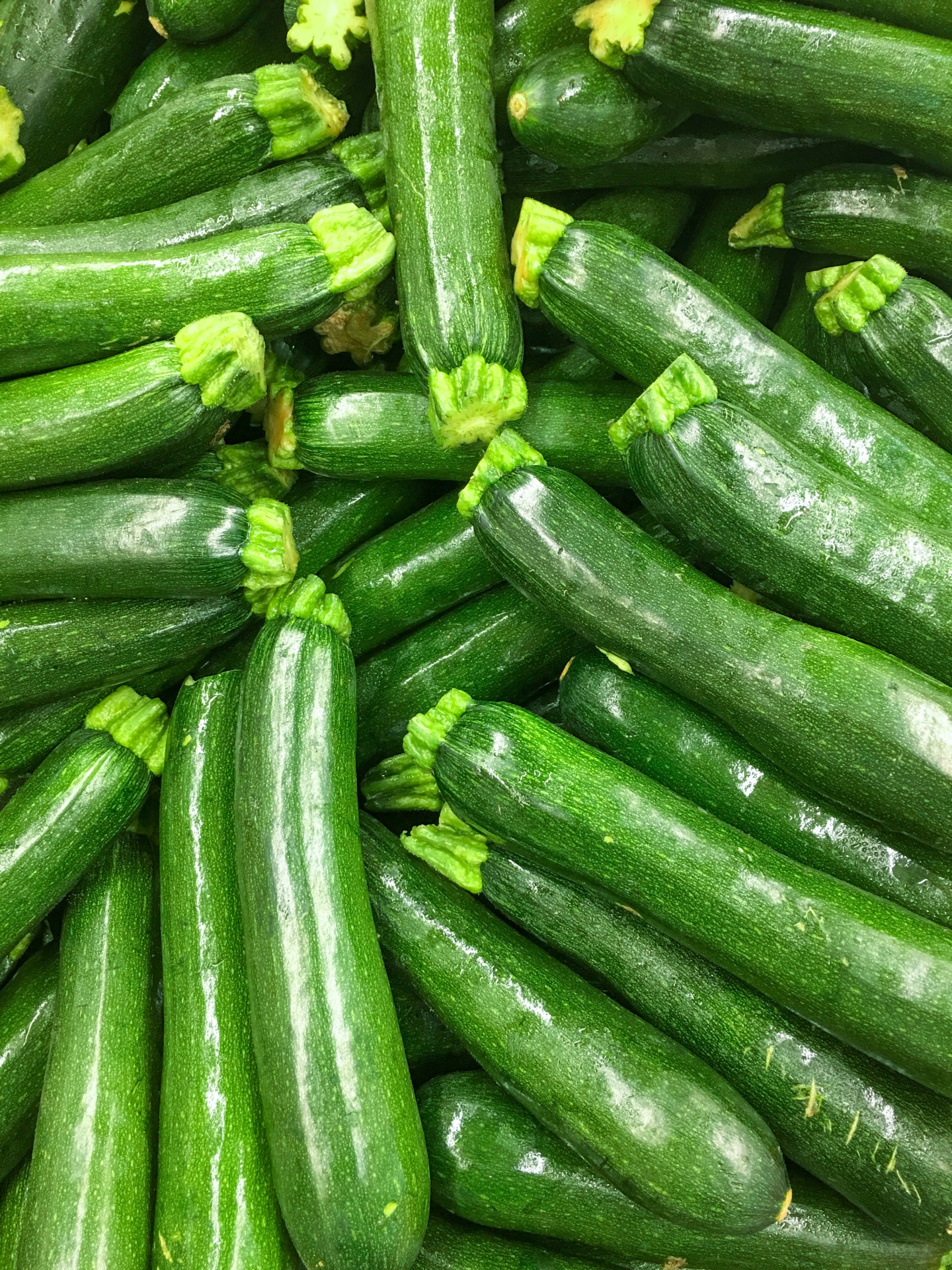
So, you've lovingly nurtured your zucchini plant, providing it with sunshine, water, and care, only to be met with…well, nothing. No plump, green zucchini gracing your garden. It's a frustrating situation many gardeners face. The good news? It's usually fixable! Let's dive into the common culprits behind a zucchini plant not producing fruit and how to troubleshoot them.
Why Isn't My Zucchini Plant Producing Fruit? Understanding the Common Causes
There are several reasons why your zucchini plant might be stubbornly refusing to bear fruit. It's rarely just one thing, but rather a combination of factors. Let's break down the most frequent offenders:
Pollination Problems: The Primary Suspect When Zucchini Plants Don't Fruit
Zucchini, like other squash varieties, requires pollination to produce fruit. This means pollen needs to be transferred from the male flower to the female flower. If this crucial step doesn't happen, the female flower will wither and die, taking any potential zucchini with it.
But why isn't pollination happening? Here are the most common reasons:
Lack of Pollinators: Bees, butterflies, and other insects are vital for pollination. If your garden isn't attracting enough pollinators, your zucchini won't get fertilized. Consider planting flowers that attract these beneficial insects, such as lavender, borage, and sunflowers. Avoid using pesticides that can harm them.
Weather Conditions: Inclement weather can significantly impede pollination. Heavy rain or strong winds can deter pollinators from venturing out, reducing the chances of successful pollen transfer. Extended periods of cold weather can also affect the viability of pollen.
Imbalance of Male and Female Flowers: Zucchini plants produce both male and female flowers. It's possible to have an abundance of one type and a scarcity of the other, leading to pollination issues. Male flowers generally appear first, and sometimes female flowers appear later.
Hand Pollination – A Helpful Technique: If you suspect pollination problems, you can take matters into your own hands – literally! Hand-pollinating your zucchini plants is a simple and effective way to ensure fruit production. Here’s how:
1.Identify Male and Female Flowers: Male flowers grow on a long, thin stem, while female flowers have a small, immature zucchini fruit at the base of the flower.
2.Collect Pollen: In the early morning, gently pluck a male flower. Remove the petals to expose the stamen, which is covered in pollen.
3.Transfer Pollen: Gently rub the stamen of the male flower onto the stigma of the female flower (the sticky part in the center).
4.Mark the Pollinated Flower: Use a piece of yarn or ribbon to mark the pollinated flower. This will help you track which flowers you've pollinated and see if they develop into fruit.
5.Consider using a small paintbrush: For even greater precision, use a small, soft paintbrush to collect pollen from the male flower and then gently brush it onto the stigma of the female flower.
Hand pollination is most effective in the morning, when the flowers are fully open and the pollen is most viable. Repeat the process daily for several days to ensure success.
Nutrient Deficiencies: Feeding Your Zucchini for Fruit Production
A lack of essential nutrients can hinder fruit production in zucchini plants. Zucchini plants are heavy feeders, meaning they require a good supply of nutrients to thrive. A balanced fertilizer is key. Specifically, pay attention to:
Phosphorus (P): Phosphorus is crucial for root development and flower production. A deficiency can result in stunted growth and a lack of blooms. Potassium (K): Potassium is essential for overall plant health and fruit development. A deficiency can lead to poor fruit quality and reduced yields.
How to Address Nutrient Deficiencies:
Soil Testing: Before adding any fertilizer, it's always a good idea to test your soil to determine its nutrient levels. This will help you identify any specific deficiencies and choose the right fertilizer. Balanced Fertilizer: Use a balanced fertilizer with an NPK ratio (Nitrogen, Phosphorus, Potassium) that is suitable for fruiting vegetables. Look for a fertilizer specifically formulated for tomatoes or vegetables, as these typically have a higher phosphorus and potassium content. Compost and Organic Matter: Incorporating compost and other organic matter into the soil can improve its nutrient content and drainage. Side-dressing: Apply fertilizer around the base of the plant, avoiding direct contact with the stem, and water it in well. Repeat every few weeks throughout the growing season.
Watering Problems: Too Much or Too Little Can Hinder Fruit Production
Consistent and adequate watering is essential for zucchini plant health and fruit production. Both underwatering and overwatering can negatively impact your zucchini crop.
Underwatering: When zucchini plants don't get enough water, they become stressed, and their growth and fruit production suffer. The leaves may wilt, turn yellow, and eventually drop off.
Overwatering: Overwatering can lead to root rot, which prevents the plant from absorbing nutrients and water properly. The leaves may turn yellow or brown, and the plant may become susceptible to fungal diseases.
How to Water Zucchini Plants Properly:
Water deeply and infrequently: Instead of watering lightly every day, water deeply and less often, allowing the soil to dry out slightly between waterings. This encourages deep root growth, which makes the plant more resilient. Water at the base of the plant: Avoid wetting the foliage, as this can increase the risk of fungal diseases. Check the soil moisture: Before watering, stick your finger into the soil to a depth of a few inches. If the soil feels dry, it's time to water. Mulch: Applying a layer of mulch around the base of the plant can help retain moisture in the soil and suppress weeds.
Environmental Stress: Heat, Cold, and Other Factors
Zucchini plants are sensitive to environmental stress, and extreme temperatures, humidity, or other unfavorable conditions can hinder fruit production.
Temperature: Zucchini plants thrive in temperatures between 65°F and 75°F (18°C and 24°C). Extreme heat or cold can stress the plant and reduce fruit set. High temperatures can also cause the flowers to drop off before they are pollinated. Humidity: High humidity can increase the risk of fungal diseases, which can weaken the plant and reduce fruit production. Sunlight:Zucchini plants need at least 6-8 hours of sunlight per day. Insufficient sunlight can result in poor growth and reduced yields.
How to Mitigate Environmental Stress:
Provide Shade: During periods of extreme heat, provide some shade for your zucchini plants using shade cloth or row covers. Protect from Cold: Protect your plants from frost by covering them with blankets or row covers. Improve Air Circulation: Prune your zucchini plants to improve air circulation and reduce the risk of fungal diseases. Choose the Right Location: Plant your zucchini in a location that receives plenty of sunlight and has well-drained soil.
Diseases and Pests: Protecting Your Zucchini from Harm
Various diseases and pests can attack zucchini plants, weakening them and reducing fruit production. Common problems include:
Powdery Mildew: A fungal disease that appears as a white, powdery coating on the leaves. Squash Vine Borers: Insects that burrow into the stems of zucchini plants, causing them to wilt and die. Squash Bugs: Insects that suck sap from the leaves of zucchini plants, causing them to become yellow and stunted. Aphids: Small insects that feed on plant sap, causing the leaves to curl and distort.
How to Prevent and Control Diseases and Pests:
Choose Resistant Varieties: Select zucchini varieties that are resistant to common diseases and pests. Practice Crop Rotation: Avoid planting zucchini in the same location year after year. Maintain Good Sanitation: Remove any diseased or infested plant debris from your garden. Use Insecticidal Soap or Neem Oil: Treat infestations of aphids, squash bugs, and other pests with insecticidal soap or neem oil. Monitor Regularly:Regularly inspect your plants for signs of diseases and pests.
Zucchini Plant Not Producing Fruit: Step-by-Step Troubleshooting Guide
Okay, so you have a zucchini plant that’s not producing fruit. Let's put it all together with a step-by-step troubleshooting guide to get things back on track:
1.Check for Pollination: Are there enough bees and other pollinators in your garden? Are there both male and female flowers present? If not, consider hand-pollinating your plants.
2.Assess Nutrient Levels: Test your soil and amend it with a balanced fertilizer or compost if necessary.
3.Evaluate Watering Practices: Are you watering deeply and infrequently? Is the soil consistently moist but not waterlogged? Adjust your watering schedule as needed.
4.Monitor Environmental Conditions: Are the temperatures too hot or too cold? Are the plants getting enough sunlight? Provide shade or protection as needed.
5.Inspect for Diseases and Pests: Are there any signs of powdery mildew, squash bugs, or other problems? Treat any infestations promptly.
6.Be Patient: Sometimes, it simply takes time for zucchini plants to start producing fruit. Be patient and continue to provide them with the care they need.
Don't Give Up on Your Zucchini!
Seeing your zucchini plant not produce fruit can be discouraging, but with a little detective work and some targeted adjustments, you can often get your plants to start bearing fruit. Remember to focus on pollination, nutrition, watering, environmental conditions, and pest control. With a bit of effort, you'll be harvesting plenty of zucchini in no time!
To maintain your zucchini plants effectively, you'll need reliable tools. A good pair of pruning shears is essential for removing unwanted leaves and stems. Consider using Fiskars Bypass Pruning Shears, providing 5/8-Inch Cut Capacity with sharp, rust-resistant steel blades for effective trimming. These Garden Clippers or Gardening Scissors are a great choice for your gardening needs. You can find them here: Fiskars Bypass Pruning Shears.