Have you ever looked at your zucchini plant, overflowing with summer squash, and wondered if you could use more than just the fruit? You might be surprised to learn that there's a lesser-known edible part: the stalk! Yes, that sturdy stem supporting your prolific zucchini can be a delicious addition to your kitchen creations, reducing waste and adding a unique flavor to your meals. Exploring the Edibility of Zucchini Plant Stalk Many gardeners are familiar with the delight of harvesting fresh zucchini, but few consider the potential of the zucchini plant stalk. Understanding the nutritional value, preparation techniques, and safety considerations surrounding zucchini stalks can unlock a whole new culinary dimension for your garden bounty. So, is the zucchini stalk edible? The short answer is yes, but with a few important caveats. We need to consider the age of the plant and potential bitterness. Mature zucchini stalks, especially those from older plants,...
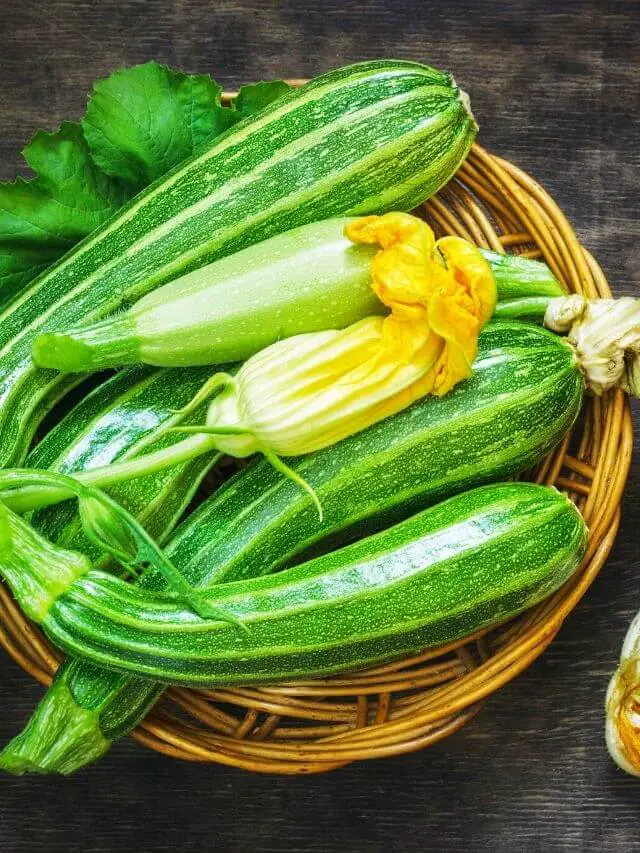
There's nothing quite as disheartening as tending to your zucchini plant, watching it grow lush and green, and anticipating a bounty of fresh zucchini... only to be met with disappointment when the fruit fails to appear. Don't despair! There are several reasons why your zucchini plant might not be producing fruit, and most of them are easily addressed. Let's get to the bottom of this zucchini mystery and get you harvesting those delicious green veggies.
Understanding Zucchini Plant Fruiting Issues
Before we dive into troubleshooting, let's quickly understand how zucchini plants produce fruit. Zucchini are monoecious, which means they have both male and female flowers on the same plant. Male flowers produce pollen, and female flowers need to be pollinated in order to develop into fruit. You can tell the difference because female flowers have a small, immature zucchini fruit at the base of the bloom. Male flowers grow directly on a stem.
Poor Pollination: A Primary Culprit for Lack of Zucchini Fruit
The most common reason for a zucchini plant not bearing fruit ispoor pollination. This can happen for a number of reasons:
Lack of Pollinators: Bees, butterflies, and other pollinating insects are essential for transferring pollen from male to female flowers. If you don't see many pollinators in your garden, your zucchini plant is less likely to produce fruit. Consider planting flowers that attract pollinators, such as lavender, borage, and sunflowers. You can also manually pollinate your zucchini flowers (more on that later!). Weather Conditions: Rainy or cold weather can deter pollinators from flying. Rain can also wash away pollen, making pollination difficult. High temperatures (above 90°F) can also affect pollen viability. Imbalanced Male-to-Female Flower Ratio: Sometimes, a zucchini plant might produce mostly male flowers initially. This is normal, and the plant will eventually start producing female flowers. However, if the imbalance persists, it can lead to pollination problems. Pesticide Use: Indiscriminate pesticide use can kill beneficial insects, including pollinators. Avoid using pesticides unless absolutely necessary, and choose options that are less harmful to pollinators.
How to Manually Pollinate Zucchini Flowers: A Step-by-Step Guide
If you suspect poor pollination is the issue, you can try hand-pollinating your zucchini flowers. This is a simple process that can significantly increase your fruit yield.
1.Identify Male and Female Flowers: Look for the small zucchini at the base of the female flower. The male flower will grow directly on a stem.
2.Collect Pollen: In the early morning (when pollen is most viable), gently pluck a male flower. Remove the petals to expose the pollen-covered stamen.
3.Transfer Pollen: Gently rub the stamen of the male flower onto the pistil (the central part) of the female flower. You can also use a small paintbrush to transfer the pollen.
4.Pollinate Multiple Flowers: One male flower can pollinate several female flowers.
5.Mark Pollinated Flowers: Use a small piece of ribbon or string to mark the pollinated flowers. This will help you track which ones you've already pollinated.
You can also use a small paintbrush to transfer the pollen. This method is particularly useful if you want to pollinate several female flowers with one male flower.
If you're doing a lot of gardening, make sure you have the right tools. TheFiskars Bypass Pruning Shears are great for clipping stems and flowers when you're manicuring your zucchini plants or cutting away spent blooms. These handy garden clippers with their sharp, rust resistant steel blades, available here: https://amzn.to/4i LKbs8, will make your gardening experience more efficient and enjoyable. Consider adding these gardening scissors to your toolkit.
Other Factors Affecting Zucchini Production
While poor pollination is the most common reason, other factors can also contribute to a zucchini plant's failure to produce fruit.
Nutrient Deficiencies
Zucchini plants are heavy feeders and need a good supply of nutrients to produce fruit. A lack of essential nutrients, such as nitrogen, phosphorus, and potassium, can hinder fruit production.
Nitrogen: Promotes leafy growth. If your zucchini plant has plenty of leaves but no fruit, it might be getting too much nitrogen and not enough phosphorus or potassium. Phosphorus: Essential for root and fruit development. Potassium:Important for overall plant health and fruit quality.
Consider doing a soil test to determine if your soil is deficient in any nutrients. Amend the soil with compost or a balanced fertilizer formulated for vegetables.
Water Stress
Zucchini plants need consistent moisture to thrive. Both under-watering and over-watering can negatively impact fruit production.
Under-watering: Can cause the plant to wilt and stress, leading to flower drop and reduced fruit set. Over-watering: Can lead to root rot, which can also prevent the plant from producing fruit.
Water your zucchini plant deeply and regularly, especially during hot, dry weather. Aim to keep the soil consistently moist but not waterlogged. A good rule of thumb is to water when the top inch of soil feels dry.
Pests and Diseases
Various pests and diseases can attack zucchini plants and affect their ability to produce fruit.
Squash Vine Borers: These pests bore into the stems of zucchini plants, disrupting the flow of water and nutrients. Look for signs of infestation, such as wilting leaves and small holes in the stems. Squash Bugs: These bugs suck sap from the leaves and stems of zucchini plants, weakening them and reducing fruit production. Powdery Mildew:This fungal disease can cover the leaves of zucchini plants with a white, powdery substance, which can reduce photosynthesis and affect fruit production.
Monitor your zucchini plants regularly for pests and diseases. Use organic pest control methods, such as insecticidal soap or neem oil, to control pests. Ensure good air circulation around the plants to help prevent fungal diseases. Remove and destroy any infected leaves or plants.
Plant Age and Maturity
Sometimes, the reason your zucchini plant isn't producing fruit is simply that it's not mature enough yet. Zucchini plants typically start producing fruit about 50-60 days after planting.
Be patient and give your plant time to mature. If you've ruled out other factors, it's likely that your zucchini plant will start producing fruit soon.
Environmental Stress
Extreme weather conditions, such as heat waves, droughts, or sudden temperature changes, can stress zucchini plants and affect fruit production. Try to protect your plants from extreme weather by providing shade during heat waves or covering them during cold snaps.
Troubleshooting Chart: Zucchini Plant Not Producing Fruit
Here's a handy chart to help you diagnose the problem and find a solution:
| Problem | Possible Cause(s) | Solution(s) |
|---|---|---|
| -------------------------- | ------------------------------------------------------------------------------------- | ---------------------------------------------------------------------------------------------------------------------------------------------- |
| No fruit at all | Poor pollination, nutrient deficiencies, water stress, pests/diseases, plant immaturity | Hand-pollinate, fertilize, water deeply, control pests/diseases, be patient |
| Flowers dropping off | Poor pollination, water stress, extreme temperatures | Hand-pollinate, water deeply, provide shade during heat waves, protect from cold snaps |
| Small fruit turning yellow | Poor pollination | Hand-pollinate |
| Abundant leaves, no fruit | Too much nitrogen, lack of phosphorus or potassium | Amend soil with phosphorus and potassium, use a balanced fertilizer |
Final Thoughts: Getting Your Zucchini Plant to Fruit
Don't give up on your zucchini plant just yet! By understanding the common reasons why zucchini plants fail to produce fruit and implementing the solutions outlined above, you can increase your chances of a bountiful harvest. Remember to observe your plant closely, identify any potential problems, and take action to address them. With a little patience and care, you'll be enjoying fresh, homegrown zucchini in no time!