Have you ever looked at your zucchini plant, overflowing with summer squash, and wondered if you could use more than just the fruit? You might be surprised to learn that there's a lesser-known edible part: the stalk! Yes, that sturdy stem supporting your prolific zucchini can be a delicious addition to your kitchen creations, reducing waste and adding a unique flavor to your meals. Exploring the Edibility of Zucchini Plant Stalk Many gardeners are familiar with the delight of harvesting fresh zucchini, but few consider the potential of the zucchini plant stalk. Understanding the nutritional value, preparation techniques, and safety considerations surrounding zucchini stalks can unlock a whole new culinary dimension for your garden bounty. So, is the zucchini stalk edible? The short answer is yes, but with a few important caveats. We need to consider the age of the plant and potential bitterness. Mature zucchini stalks, especially those from older plants,...
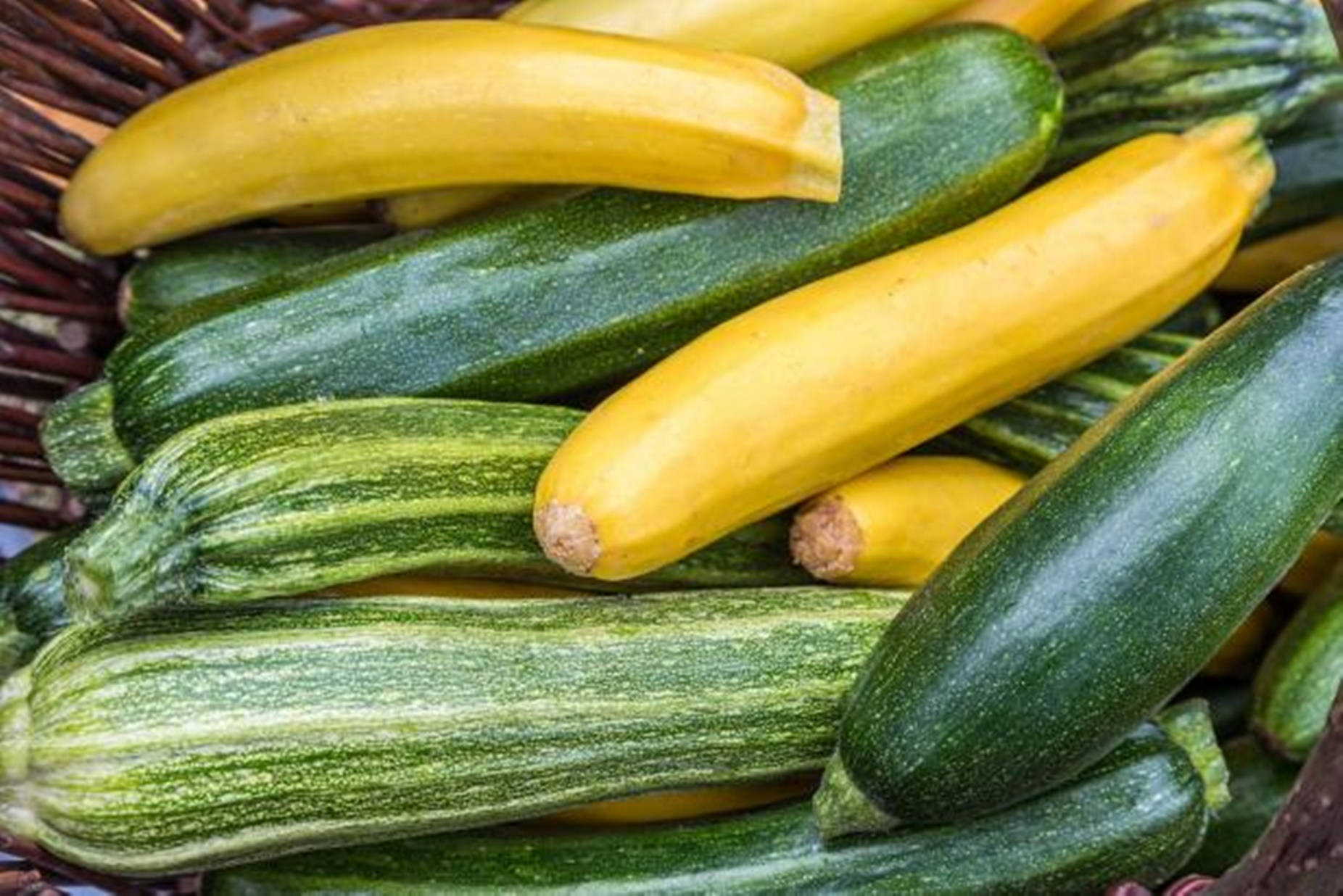
Have you ever wondered how long your zucchini plant will keep producing those delicious green squash? The zucchini, a summer squash that’s a garden staple, boasts a relatively short but productive life. Understanding its lifespan helps you plan your garden and maximize your harvest.
Understanding the Zucchini Plant Life Cycle
The zucchini plant life cycle is a fascinating journey from seed to abundant harvest, typically spanning a single growing season. Unlike perennial plants that return year after year, zucchini plants are annuals, meaning they complete their entire life cycle within one year. Thezucchini plant lifespan can be divided into several key stages, each with its unique characteristics and requirements.
Germination and Seedling Stage
The adventure begins with germination. Zucchini seeds, when provided with warmth and moisture, typically sprout within 5-10 days. This initial stage is crucial. The seedling emerges, unfurling its first set of leaves, known as cotyledons. These leaves provide initial nourishment to the young plant. The plant is most vulnerable during this time, so providing adequate sunlight and protection from pests is essential. Once the true leaves (the leaves that resemble the mature plant's leaves) emerge, the seedling begins to establish itself.
Vegetative Growth Stage
Following the seedling stage, the zucchini plant enters a period of rapid vegetative growth. During this phase, the plant focuses on developing a strong root system, sturdy stems, and an abundance of leaves. Ample sunlight, water, and nutrients are crucial for optimal growth. You'll notice the plant rapidly increasing in size, preparing itself for the next critical stage: flowering and fruiting. The length of this phase depends on environmental factors, but it generally lasts for several weeks.
Flowering and Fruiting Stage
This is where the magic happens! The zucchini plant begins to produce bright yellow flowers. These flowers are either male or female; the female flowers have a small, immature zucchini fruit at the base. Pollination, typically carried out by bees and other insects, is essential for fruit development. Once a female flower is pollinated, the zucchini fruit rapidly expands, reaching harvestable size within a week or less. This is the most productive period of the plant's life, and you can expect to harvest zucchinis regularly. Thezucchini plant's lifespan and harvest are intrinsically linked, with a bountiful harvest being the ultimate goal.
Decline and End of Life
Eventually, even the most vigorous zucchini plant will begin to decline. As the season progresses, and especially with the onset of cooler temperatures or diseases, the plant's productivity will decrease. The leaves may yellow and become less vibrant, and the fruit production will slow down or cease altogether. At this point, the zucchini plant has reached the end of its natural life cycle. While you can sometimes extend the plant's life with careful management, it’s generally best to remove the plant and prepare the garden bed for the next crop.
Factors Influencing the Zucchini Plant's Lifespan
The zucchini plant's lifespan isn't set in stone. Several factors can significantly impact how long your plant thrives and produces. Understanding these factors allows you to optimize your gardening practices and potentially extend the productive period of your zucchini plant.
Environmental Conditions
Environmental factors play a crucial role in the zucchini plant's lifespan. These plants thrive in warm weather, with daytime temperatures ideally between 65°F and 85°F (18°C and 29°C). Cooler temperatures can stunt growth and reduce fruit production. Frost, even a light one, can kill a zucchini plant outright. Similarly, extreme heat can also negatively impact the plant. Adequate sunlight is also essential; zucchini plants require at least 6-8 hours of direct sunlight per day for optimal growth and fruit production. Thelongevity of a zucchini plant is highly dependent on these environmental conditions being favorable.
Here's a table summarizing the optimal environmental conditions:
| Factor | Optimal Range | Impact of Deviation |
|---|---|---|
| ---------------- | ------------------------------------ | --------------------------------------------------- |
| Temperature | 65°F - 85°F (18°C - 29°C) | Stunted growth, reduced fruit production, death |
| Sunlight | 6-8 hours of direct sunlight | Reduced growth, fewer fruits |
| Soil Moisture | Consistent moisture, well-drained | Root rot, stunted growth, wilting |
Pest and Disease Management
Zucchini plants are susceptible to various pests and diseases, which can significantly shorten their lifespan. Common pests include squash bugs, squash vine borers, aphids, and spider mites. Diseases like powdery mildew, squash mosaic virus, and bacterial wilt can also wreak havoc on zucchini plants. Regular monitoring for pests and diseases is crucial. Implement preventative measures, such as crop rotation, proper spacing, and using resistant varieties. If infestations or diseases occur, take prompt action with appropriate treatments, whether organic or conventional. Ignoring pest and disease problems will undoubtedly shorten thetypical lifespan of a zucchini plant and dramatically reduce your harvest.
Soil Quality and Nutrition
The soil in which you plant your zucchini has a huge impact on its health and productivity. Zucchini plants need well-drained soil that is rich in organic matter. Before planting, amend the soil with compost or other organic materials to improve its fertility and drainage. Regular fertilization is also important, especially during the flowering and fruiting stages. Use a balanced fertilizer or one specifically formulated for vegetables. Avoid over-fertilizing, as this can lead to excessive foliage growth at the expense of fruit production. Soil testing can help determine the specific nutrient needs of your soil. Ensuring the soil has the correct p H is also important; zucchini plants prefer a slightly acidic to neutral soil p H (6.0-7.5). Poor soil quality and inadequate nutrition will weaken the plant, making it more susceptible to pests and diseases, and ultimately shorten its lifespan. Speaking of tools, for maintaining the health of your zucchini plants and ensuring a bountiful harvest, consider investing in some quality gardening tools. The Fiskars Bypass Pruning Shears, 5/8-Inch Cut Capacity Garden Clippers, Gardening Scissors with Sharp, Rust Resistant Steel Blade, are perfect for pruning and harvesting, helping to keep your plants healthy and productive. You can find them here: https://amzn.to/4i LKbs8. Think of them as garden scissors, your go-to for taking care of your zucchini plants.
Variety Selection
The specific variety of zucchini you choose can also influence its lifespan and productivity. Some varieties are more disease-resistant than others, while some are known for their early maturity and extended harvest periods. Research different zucchini varieties and select those that are well-suited to your local climate and growing conditions. Consider factors such as disease resistance, maturity time, and fruit size when making your selection. Choosing the right variety can give your plants a head start and potentially extend their productive lifespan. Some popular and reliable zucchini varieties include Black Beauty, Costata Romanesco, and Raven.
Extending the Productive Life of Your Zucchini Plant
While the zucchini plant has a relatively short natural lifespan, there are several things you can do to extend its productive period and maximize your harvest. By implementing proper gardening practices and addressing potential problems promptly, you can enjoy a longer and more bountiful zucchini season.
Succession Planting
One of the most effective ways to extend your zucchini harvest is through succession planting. This involves planting new zucchini plants every few weeks throughout the growing season. This ensures a continuous supply of zucchinis, as older plants begin to decline, younger plants are ready to take their place. Staggering your planting dates allows you to enjoy fresh zucchinis for a longer period and reduces the risk of losing your entire crop to pests or diseases at once. Succession planting can be particularly beneficial in areas with long growing seasons.
Proper Watering and Fertilizing
Consistent watering and regular fertilization are crucial for maintaining the health and productivity of your zucchini plants. Water deeply and regularly, especially during hot and dry weather. Avoid overhead watering, as this can promote fungal diseases. Fertilize your plants every few weeks with a balanced fertilizer or one specifically formulated for vegetables. Adjust the fertilizer application based on the plant's growth stage. For example, during the flowering and fruiting stages, you may want to use a fertilizer higher in phosphorus to promote fruit development. Monitor your plants closely for signs of nutrient deficiencies and adjust your fertilization accordingly. Theestimated life of zucchini plants can be maximized with adequate water and nutrition.
Pruning and Harvesting
Regular pruning and harvesting can also help extend the productive life of your zucchini plants. Remove any yellowing or diseased leaves to improve air circulation and prevent the spread of diseases. Harvest zucchinis regularly, even if they are small. Allowing zucchinis to grow too large can signal to the plant to stop producing more fruit. By harvesting regularly, you encourage the plant to continue producing new fruits. Use a sharp knife or pruning shears to harvest the zucchinis, cutting the stem close to the fruit. Handle the fruits carefully to avoid bruising or damaging them.
Protecting from Frost
As mentioned earlier, frost can be devastating to zucchini plants. If frost is predicted, take steps to protect your plants. Cover them with blankets or tarps to insulate them from the cold. You can also use row covers or cloches to provide protection. If the frost is expected to be severe, you may want to bring potted plants indoors. Even a light frost can damage zucchini plants, so it's important to take precautions whenever frost is a possibility. Thezucchini plant average lifespan can be severely impacted by frost.
Dealing with Pests and Diseases Promptly
As mentioned earlier, pests and diseases can significantly shorten the lifespan of your zucchini plants. Regular monitoring and prompt action are essential. If you spot any signs of pests or diseases, take steps to control them immediately. There are many organic and conventional options available. For example, you can use insecticidal soap or neem oil to control aphids and spider mites. For fungal diseases like powdery mildew, you can use a copper-based fungicide. Remove and destroy any heavily infested or diseased plants to prevent the spread of the problem to other plants.
The End of the Line: Knowing When to Say Goodbye
Even with the best care, there comes a time when your zucchini plant has simply reached the end of its natural life. Knowing when to say goodbye is important, as keeping a declining plant in your garden can attract pests and diseases that can harm other plants.
Signs that your zucchini plant is nearing the end of its life include:
- Decreased fruit production
- Yellowing and wilting leaves
- Stunted growth
- Increased susceptibility to pests and diseases
Once your zucchini plant has stopped producing fruit and shows signs of decline, it's time to remove it from the garden. Cut the plant off at the base and dispose of it in your compost pile or yard waste bin. Be sure to remove any remaining fruit from the plant before disposing of it. After removing the plant, prepare the soil for the next crop by adding compost or other organic matter.
Understanding the zucchini plant lifespan and the factors that influence it allows you to plan your garden more effectively and maximize your harvest. By implementing proper gardening practices and addressing potential problems promptly, you can enjoy a bountiful zucchini season and savor the delicious fruits of your labor. Remember, theoverall lifespan of the zucchini plant is a journey, and with the right care, it can be a rewarding one!