Have you ever looked at your zucchini plant, overflowing with summer squash, and wondered if you could use more than just the fruit? You might be surprised to learn that there's a lesser-known edible part: the stalk! Yes, that sturdy stem supporting your prolific zucchini can be a delicious addition to your kitchen creations, reducing waste and adding a unique flavor to your meals. Exploring the Edibility of Zucchini Plant Stalk Many gardeners are familiar with the delight of harvesting fresh zucchini, but few consider the potential of the zucchini plant stalk. Understanding the nutritional value, preparation techniques, and safety considerations surrounding zucchini stalks can unlock a whole new culinary dimension for your garden bounty. So, is the zucchini stalk edible? The short answer is yes, but with a few important caveats. We need to consider the age of the plant and potential bitterness. Mature zucchini stalks, especially those from older plants,...
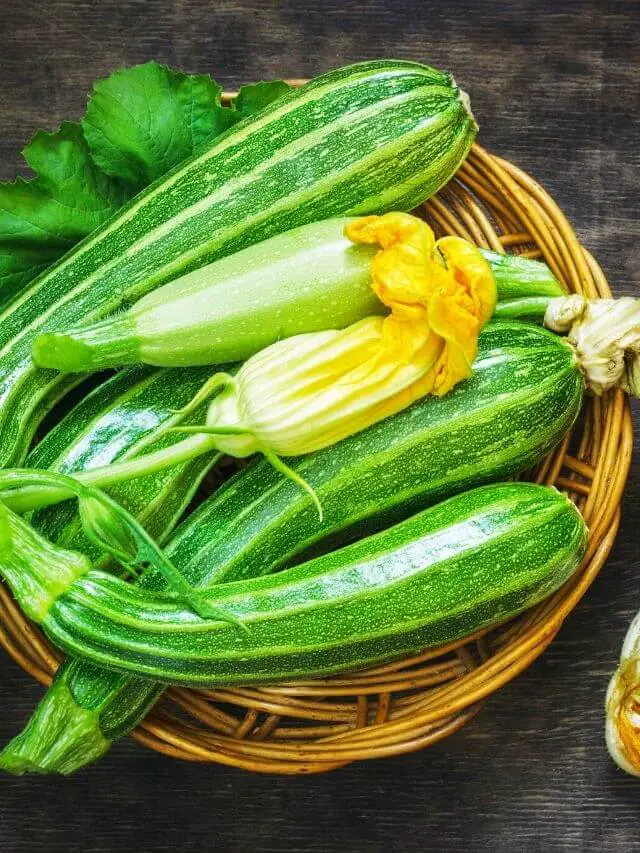
So, you've nurtured your zucchini plant from a tiny seed, watched it sprout, and eagerly awaited a bountiful harvest. But now, instead of the delicious green squash you envisioned, you're met with…nothing. Or maybe lots of flowers, but no actual zucchini. Don't despair! You're not alone. This is a common problem for many home gardeners, and thankfully, there are several reasons why your zucchini plant is not producing and equally as many solutions to help you get those zucchini coming.
Understanding Why Your Zucchini Plant Is Not Producing Fruit
There's nothing more frustrating than a seemingly healthy plant that just won't give you what you want: zucchini! To get to the root of the problem, let’s explore the common culprits behind a zucchini plant not producing.
Pollination Problems: The Number One Suspect When Zucchini Plant Isn't Producing
Zucchini plants have separate male and female flowers. The female flowers have a small, immature zucchini at their base, while the male flowers grow on a slender stalk. For zucchini to form, pollen from the male flower must be transferred to the female flower. This is usually done by insects, primarily bees. If pollination is inadequate, the female flower will wither and die, and you won't get any zucchini.
- Lack of pollinators: Are you seeing many bees and other pollinators in your garden? The decline of bee populations is a serious issue. If you don't have many pollinators visiting your zucchini plants, hand-pollination might be necessary.
- Weather conditions: Rainy or cold weather can deter pollinators from visiting your plants. Extreme heat can also damage pollen, making it less viable.
- Male flower shortage: Sometimes, zucchini plants produce more male flowers than female flowers initially, or vice versa. This imbalance can lead to a temporary lack of pollination.
Hand-pollination is a simple process. Use a small paintbrush or cotton swab to collect pollen from the male flower (dusty anthers). Then, gently brush the pollen onto the stigma of the female flower (the sticky part in the center). The best time to hand-pollinate is in the morning, when the pollen is fresh. Consider hand-pollinating your zucchini blossoms. If you're unsure which flowers are which, a quick Google search for "male vs. female zucchini flowers" will clear it up.
Environmental Stress: When Conditions Aren't Ideal for Zucchini Production
Like all plants, zucchini thrive under specific conditions. If these conditions aren't met, it can stress the plant and affect its ability to produce fruit. Here’s how environmental stress affects zucchini production.
- Inadequate sunlight: Zucchini plants need at least 6-8 hours of direct sunlight per day. If your plant is in a shady location, it may not produce many flowers or fruit.
- Poor soil: Zucchini plants prefer well-drained, fertile soil rich in organic matter. If your soil is compacted or lacking nutrients, it can hinder growth and fruit production.
- Watering issues: Both overwatering and underwatering can stress zucchini plants. Overwatering can lead to root rot, while underwatering can cause the plant to wilt and drop its flowers. Aim for consistent moisture, watering deeply when the top inch of soil feels dry.
- Temperature fluctuations: Zucchini plants are sensitive to extreme temperature changes. A sudden cold snap or prolonged heatwave can negatively impact fruit production.
Soil testing is an excellent way to determine if your soil is lacking essential nutrients. You can purchase a soil testing kit at your local garden center or send a sample to a soil testing laboratory. Amend the soil with compost or other organic matter to improve its fertility and drainage.
Nutrient Deficiencies: Feeding Your Zucchini for Success
Zucchini plants are heavy feeders, meaning they require a lot of nutrients to produce abundant fruit. If the soil lacks essential nutrients, the plant may not be able to support fruit production.
- Nitrogen deficiency: Nitrogen is essential for leafy growth. A nitrogen-deficient zucchini plant may have pale green or yellowing leaves.
- Phosphorus deficiency: Phosphorus is crucial for root development and flowering. A phosphorus-deficient plant may have stunted growth and reduced flower production.
- Potassium deficiency: Potassium is important for overall plant health and fruit development. A potassium-deficient plant may have weak stems and poorly formed fruit.
Use a balanced fertilizer specifically formulated for vegetables to provide your zucchini plants with the nutrients they need. Consider a fertilizer with an NPK ratio of 5-10-10, which is relatively low in nitrogen and higher in phosphorus and potassium. Always follow the instructions on the fertilizer label and avoid over-fertilizing, as this can damage the plant.
Pests and Diseases: Addressing Threats to Zucchini Production
Pests and diseases can weaken zucchini plants and interfere with fruit production. Here are some common culprits:
- Squash vine borers: These pests bore into the stems of zucchini plants, causing them to wilt and die. Look for small holes near the base of the plant and sawdust-like frass.
- Squash bugs: Squash bugs suck the sap from leaves, causing them to turn yellow and brown. They can also transmit diseases.
- Powdery mildew: This fungal disease appears as a white, powdery coating on the leaves. It can weaken the plant and reduce fruit production.
- Cucumber beetles: Cucumber beetles can damage leaves and transmit bacterial wilt, a deadly disease for zucchini plants.
Regularly inspect your zucchini plants for signs of pests and diseases. Handpick squash bugs and cucumber beetles. Use row covers to protect young plants from pests. Apply organic fungicides to control powdery mildew. For squash vine borers, you can try injecting Bacillus thuringiensis (Bt) into the stems to kill the larvae. Early detection and treatment are key to preventing serious problems.
Troubleshooting: A Step-by-Step Guide When Your Zucchini Plant Is Not Producing
Now that we've covered the potential causes, let's walk through a step-by-step troubleshooting process to get your zucchini plant producing. Consider this like a zucchini plant not producing checklist.
Step 1: Assess the Plant's Overall Health
Start by observing the overall health of your zucchini plant. Are the leaves green and healthy, or are they yellowing or wilting? Are the stems strong and sturdy, or are they weak and spindly? Are there any signs of pests or diseases? A healthy plant is more likely to produce fruit.
Step 2: Examine the Flowers
Carefully examine the flowers. Are there both male and female flowers present? Are the flowers opening properly? Are there signs of insect activity? If you only see male flowers, the plant may be too young to produce female flowers. If the flowers are not opening properly, it could be due to environmental stress or nutrient deficiencies.
Step 3: Check the Soil
Check the moisture level of the soil. Is it consistently moist, or is it too wet or too dry? Check the soil's fertility. Is it rich in organic matter, or is it compacted and lacking nutrients? Amend the soil with compost or other organic matter to improve its fertility and drainage.
Step 4: Evaluate Sunlight Exposure
Ensure that your zucchini plant is receiving at least 6-8 hours of direct sunlight per day. If it's in a shady location, consider transplanting it to a sunnier spot.
Step 5: Rule Out Pests and Diseases
Carefully inspect your zucchini plant for signs of pests and diseases. Handpick squash bugs and cucumber beetles. Use row covers to protect young plants from pests. Apply organic fungicides to control powdery mildew. Take prompt action to address any pest or disease problems.
Step 6: Consider Hand-Pollination
If you're not seeing many pollinators in your garden, or if the weather is unfavorable for pollination, consider hand-pollinating your zucchini flowers. Use a small paintbrush or cotton swab to transfer pollen from the male flower to the female flower.
Preventative Measures: Ensuring Future Zucchini Success
Once you've addressed the current issues, take steps to prevent future problems and ensure a bountiful zucchini harvest. Here's how to prevent the issue of a zucchini plant not producing.
- Choose the right location: Select a sunny location with well-drained, fertile soil.
- Prepare the soil: Amend the soil with compost or other organic matter before planting.
- Water consistently: Water deeply when the top inch of soil feels dry.
- Fertilize regularly: Use a balanced fertilizer specifically formulated for vegetables.
- Monitor for pests and diseases: Regularly inspect your plants and take prompt action to address any problems.
- Attract pollinators: Plant flowers that attract bees and other pollinators to your garden.
By following these tips, you can increase your chances of having a productive and successful zucchini harvest. And remember, even if your zucchini plant doesn't produce as much as you'd hoped, don't give up! Gardening is a learning process, and every season brings new challenges and opportunities. The joy of growing your own food is well worth the effort.
To keep your garden in tip-top shape, you might find a trusty set of gardening shears helpful. Consider the Fiskars Bypass Pruning Shears; these garden clippers provide a clean, precise cut every time. You can find them here: https://amzn.to/4i LKbs8. Keeping your garden tools in good condition can make a world of difference!