Have you ever looked at your zucchini plant, overflowing with summer squash, and wondered if you could use more than just the fruit? You might be surprised to learn that there's a lesser-known edible part: the stalk! Yes, that sturdy stem supporting your prolific zucchini can be a delicious addition to your kitchen creations, reducing waste and adding a unique flavor to your meals. Exploring the Edibility of Zucchini Plant Stalk Many gardeners are familiar with the delight of harvesting fresh zucchini, but few consider the potential of the zucchini plant stalk. Understanding the nutritional value, preparation techniques, and safety considerations surrounding zucchini stalks can unlock a whole new culinary dimension for your garden bounty. So, is the zucchini stalk edible? The short answer is yes, but with a few important caveats. We need to consider the age of the plant and potential bitterness. Mature zucchini stalks, especially those from older plants,...
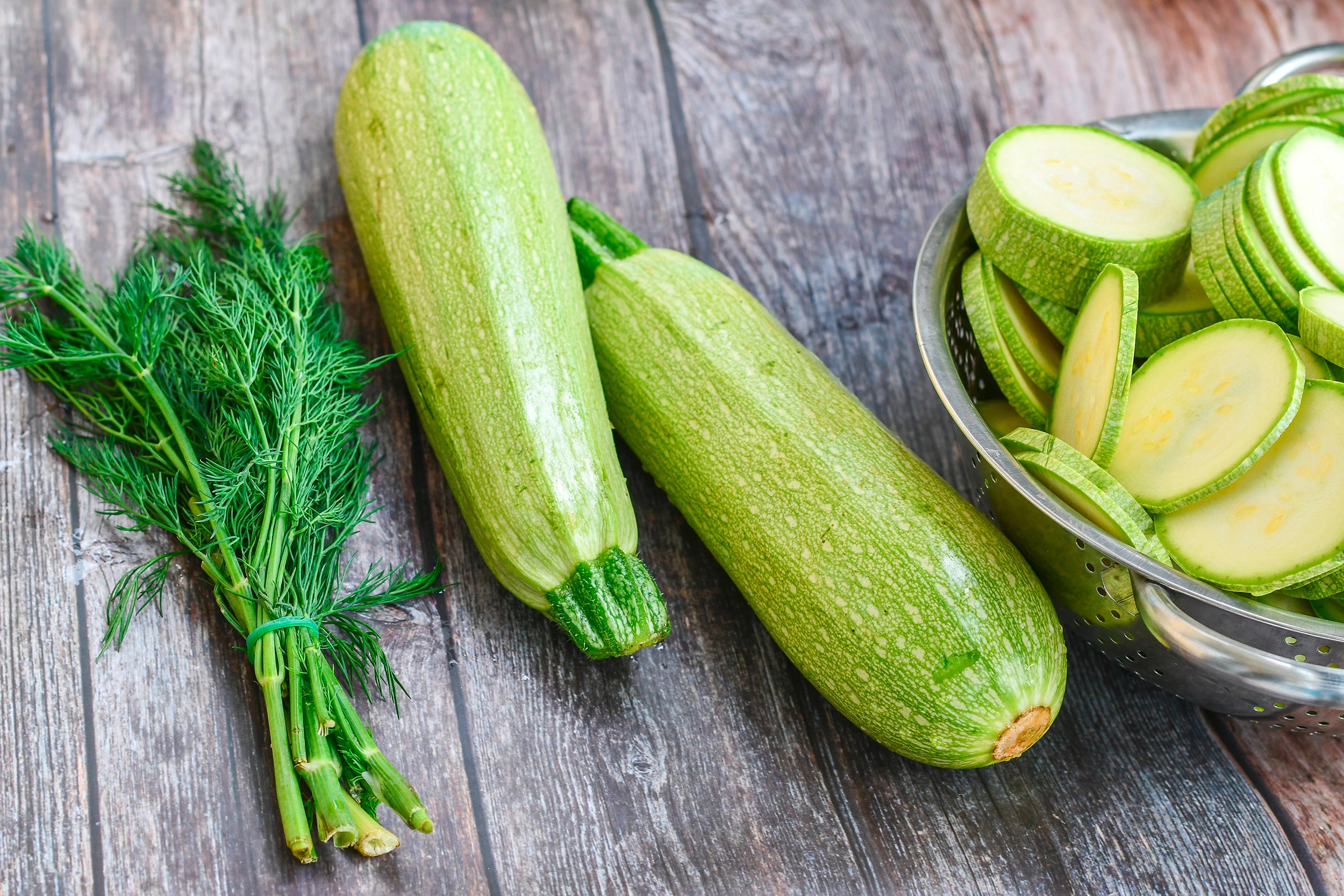
Seeing black mold on your zucchini can be alarming! You've nurtured these plants, envisioned delicious zucchini bread, and now you're faced with this unsightly and potentially devastating issue. But don't despair, you're not alone. Many gardeners face this problem, and with a little understanding and some proactive steps, you can get your zucchini plants back on track.
Understanding Zucchini Plant Fruit Black Mold
So, what exactly is this "black mold" we're talking about? Usually, when gardeners refer to "black mold" on zucchini, they're most likely seeingopportunistic fungi colonizing already damaged fruit. It is crucial to understand that trueblack moldas a primary infection on zucchini is rare. The black growth is often asecondary infection that takes hold after another problem has weakened the plant or damaged the zucchini fruit.
These fungi, oftensaprophytes, thrive on dead or decaying organic matter. They aren't usually the primary cause of the zucchini's demise, but rather they are nature's clean-up crew moving in after the real damage has been done. The black mold itself doesn't usually attack healthy zucchini, but instead, it's a sign of underlying issues such as blossom end rot, squash vine borer damage, or fungal diseases.
Common Causes of Black Mold on Zucchini Fruit
Pinpointing theexactcause of black mold can be tricky, but it is important to know that black mold comes after an issue has occurred. Usually, the issues are problems like diseases or insect infestations.
Blossom End Rot (BER)
Blossom end rot is a common culprit, causing the end of the zucchini to turn brown or black and become leathery. BER is caused by a calcium deficiency in the developing fruit. It's not a disease caused by an actual pathogen, but aphysiological disorder that arises due to inconsistent watering, poor calcium uptake from the soil, or damaged roots. The damaged flesh is then easily colonized by secondary fungi, resulting in the black mold.
Here are a few contributing factors to Blossom End Rot:
- Inconsistent Watering: Fluctuations in soil moisture can disrupt calcium uptake.
- Calcium Deficiency: While the soil might contain calcium, the plant may not be able to absorb it efficiently due to p H imbalances or root issues.
- Root Damage: Damaged roots struggle to absorb water and nutrients, including calcium.
- High Nitrogen Fertilizers: Excessive nitrogen can hinder calcium uptake.
If you are constantly cutting your zucchini, and you want to increase your productivity. I recommend usingBypass Pruning Shears from Fiskars, which are great for keeping your garden in order. You can find a pair for yourself at this link:https://amzn.to/4i LKbs8.
Squash Vine Borers
Squash vine borers are devastating pests that tunnel into the stems of zucchini plants, disrupting the flow of water and nutrients. This damage weakens the plant, making the fruit susceptible to fungal infections. The borer's entry points also provide an easy access point for secondary invaders like fungi, leading to black mold on damaged fruit.
Some common symptoms of squash vine borers include:
- Sudden wilting of the plant, even with adequate watering.
- Small holes in the stem near the base of the plant.
- Frass (sawdust-like excrement) near the base of the plant.
Fungal Diseases
Several fungal diseases can weaken zucchini plants and make them more vulnerable to black mold colonization. For example, powdery mildew and downy mildew weaken plants. Once the leaves and stems are affected, the damage can extend to the fruit.
Here are common fungal diseases to look out for:
- Powdery Mildew: A white, powdery coating on the leaves.
- Downy Mildew: Yellowish spots on the upper surface of the leaves with a gray or purplish mold on the underside.
- Anthracnose: Causes sunken lesions on leaves, stems, and fruit.
Preventing Zucchini Plant Fruit Black Mold
The best way to deal with black mold is to prevent it from occurring in the first place. A proactive approach focused on healthy plant growth and addressing potential issues early is critical.
Soil Health and Watering
Healthy soil is the foundation of healthy plants. Ensure your soil is well-draining and rich in organic matter. Amend your soil with compost before planting to improve drainage and nutrient content. Regular, consistent watering is also essential. Avoid overwatering, which can lead to root rot, and underwatering, which can contribute to blossom end rot. Aim for deep, infrequent watering, allowing the soil to dry slightly between waterings.
To test your soil's water level, insert a finger about 2 inches into the soil near the plant. If the soil feels dry to the touch, it's time to water. If it feels moist, hold off on watering.
Calcium Management
To prevent blossom end rot, ensure your plants have access to adequate calcium. You can do this by amending your soil with bone meal or agricultural lime before planting. You can also use a calcium foliar spray, which is applied directly to the leaves and fruit. However, keep in mind that foliar sprays are a temporary solution and address the symptom rather than the underlying problem.
The ideal soil p H for zucchini is between 6.0 and
7.5. If your soil is too acidic, it can hinder calcium uptake. Test your soil p H and amend it accordingly.
Pest Control
Monitor your plants regularly for signs of pests, such as squash vine borers, squash bugs, and aphids. Handpick pests whenever possible. Use row covers early in the season to prevent squash vine borers from laying eggs on your plants. Bacillus thuringiensis (Bt) is an effective organic insecticide for controlling squash vine borers. Apply Bt to the stems of your plants, especially near the base.
Inspect your plants every few days for signs of pest damage. Early detection and intervention are key to preventing widespread infestations.
Disease Management
Choose disease-resistant zucchini varieties whenever possible. Ensure good air circulation around your plants by spacing them adequately. Prune any crowded or diseased leaves to improve airflow. Apply copper-based fungicides or neem oil preventatively to protect against fungal diseases.
Proper spacing between plants allows air to circulate freely, which helps to prevent fungal diseases. Avoid overhead watering, which can create a humid environment that favors fungal growth.
Treating Existing Black Mold on Zucchini Fruit
If you've already spotted black mold on your zucchini, don't panic. You can still take steps to salvage your harvest and prevent further spread.
Remove Affected Fruit
The first step is to remove any affected fruit from the plant. This will prevent the mold from spreading to healthy fruit. Dispose of the affected fruit in the trash or burn it. Do not compost it, as this could spread the fungal spores to other plants.
Improve Air Circulation
Prune any crowded leaves or stems to improve air circulation around the plants. This will help to reduce humidity and prevent fungal growth.
Fungicides
Apply a fungicide to the affected plants. Copper-based fungicides and neem oil are effective options. Be sure to follow the instructions on the product label carefully. Reapply the fungicide every 7-10 days, or as needed. Keep in mind that fungicide treatments may not cure the problem, but only prevent its spreading.
Always wear gloves and eye protection when applying fungicides.
Conclusion
Dealing with zucchini plant fruit black mold can be frustrating, but by understanding the underlying causes and taking proactive steps, you can protect your plants and enjoy a bountiful harvest. Remember to focus on soil health, consistent watering, calcium management, pest control, and disease prevention. With a little effort, you can keep your zucchini plants healthy and productive all season long.