Have you ever looked at your zucchini plant, overflowing with summer squash, and wondered if you could use more than just the fruit? You might be surprised to learn that there's a lesser-known edible part: the stalk! Yes, that sturdy stem supporting your prolific zucchini can be a delicious addition to your kitchen creations, reducing waste and adding a unique flavor to your meals. Exploring the Edibility of Zucchini Plant Stalk Many gardeners are familiar with the delight of harvesting fresh zucchini, but few consider the potential of the zucchini plant stalk. Understanding the nutritional value, preparation techniques, and safety considerations surrounding zucchini stalks can unlock a whole new culinary dimension for your garden bounty. So, is the zucchini stalk edible? The short answer is yes, but with a few important caveats. We need to consider the age of the plant and potential bitterness. Mature zucchini stalks, especially those from older plants,...
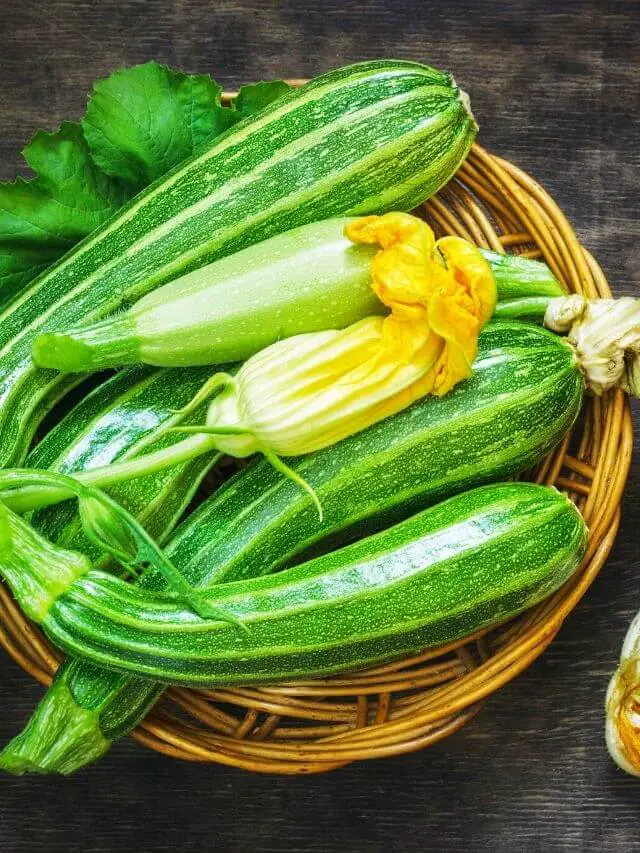
Have you ever walked into your garden, expecting nothing more than a little weeding, and then BAM! – you’re confronted with a zucchini the size of your forearm, practically mocking you from its leafy perch? It’s a common experience for gardeners, and while the sheer abundance can be overwhelming, it’s also incredibly rewarding. Let's dive into everything you need to know about growing these green giants, from planting to pest control, and everything in between.
Zucchini On A Plant: A Gardener's Guide
Zucchini, a summer squash variety, is a prolific producer, making it a favorite among home gardeners. Understanding the life cycle of zucchini on a plant and the factors that influence its growth is key to a successful harvest. We'll explore various aspects of zucchini cultivation, from seed to table.
Understanding Zucchini Growth on the Plant
The journey of a zucchini from flower to fruit is a fascinating process. It all starts with pollination. Zucchini plants produce both male and female flowers. The male flowers are responsible for producing pollen, while the female flowers, distinguished by a small, immature zucchini fruit at their base, are the ones that will eventually bear the squash.
Pollination: The Key to Zucchini Development
Pollination occurs when pollen from the male flower is transferred to the stigma of the female flower. This transfer can be done by insects like bees, butterflies, and squash vine borers, or by hand-pollination, which is particularly useful when insect activity is low. If pollination is successful, the small zucchini at the base of the female flower will begin to swell and grow rapidly. If pollination fails, the immature zucchini will turn yellow and wither away. To assist with pollination you can:
- Plant flowers that attract pollinators.
- Avoid using pesticides that can harm beneficial insects.
- Hand-pollinate the flowers yourself. This involves using a small brush or cotton swab to transfer pollen from the male flower to the female flower.
Successful pollination is critical for a healthy zucchini on a plant. Without it, you'll see beautiful flowers, but no squash to enjoy.
Environmental Factors Affecting Zucchini Fruit
Several environmental factors can affect the growth and development of zucchini on a plant. These include:
- Sunlight: Zucchini plants need at least 6-8 hours of direct sunlight per day. Insufficient sunlight can lead to poor fruit production and smaller, less flavorful zucchini.
- Water: Consistent watering is essential, especially during hot, dry periods. Zucchini plants need about 1 inch of water per week. Uneven watering can cause blossom end rot, a condition where the bottom of the zucchini turns brown and mushy.
- Soil: Zucchini prefers well-drained soil that is rich in organic matter. Amend the soil with compost or aged manure before planting to improve its fertility and drainage.
- Temperature: Zucchini grows best in temperatures between 65°F and 85°F. Extreme heat or cold can inhibit growth and reduce fruit production.
Understanding these factors and taking steps to optimize them will contribute to a bountiful harvest of zucchini on the plant.
Common Problems Encountered with Zucchini on the Plant
Growing zucchini on a plant isn't always smooth sailing. Gardeners often face challenges from pests, diseases, and nutrient deficiencies. Knowing how to identify and address these problems is vital for maintaining healthy plants and maximizing your yield.
Pests: Squash Vine Borers and Squash Bugs
Squash vine borers and squash bugs are two of the most common pests that plague zucchini plants. Squash vine borers are moth larvae that tunnel into the stems of zucchini plants, causing them to wilt and die. Squash bugs are sap-sucking insects that can weaken the plant and transmit diseases. Here's how to tackle them:
- Squash Vine Borers: Look for small holes in the stem near the base of the plant. You may also see "frass," which is insect excrement, near the holes. You can try to remove the borers by carefully slitting the stem open with a knife and extracting them. Wrapping the base of the stem with foil can deter the moths from laying eggs.
- Squash Bugs: Hand-picking the bugs and their eggs (which are often laid in clusters on the undersides of leaves) is an effective method. You can also use insecticidal soap or neem oil to control them.
Regularly inspecting your zucchini on a plant for signs of pests is crucial for early detection and effective control. When cutting through the vines to remove pests, I find that having a good set of gardening shears is really helpful. For example, the Fiskars Bypass Pruning Shears are great for making clean cuts and keeping your plants healthy. You can find them here: https://amzn.to/4i LKbs8, or just search for "Fiskars garden clippers" online.
Diseases: Powdery Mildew and Blossom End Rot
Powdery mildew and blossom end rot are two common diseases that can affect zucchini plants. Powdery mildew is a fungal disease that causes a white, powdery coating on the leaves. Blossom end rot is a physiological disorder caused by calcium deficiency, which results in the bottom of the zucchini turning brown and mushy.
- Powdery Mildew: Improve air circulation around the plants by pruning overcrowded leaves. You can also use a fungicide or a homemade remedy like a solution of baking soda and water.
- Blossom End Rot: Ensure that the soil is consistently moist but not waterlogged. Add calcium to the soil by incorporating bone meal or crushed eggshells. Also, avoid using excessive amounts of nitrogen fertilizer, which can interfere with calcium uptake.
Prevention is key when it comes to diseases. Choose disease-resistant varieties of zucchini, provide adequate spacing between plants, and practice good sanitation by removing any diseased leaves or debris.
Nutrient Deficiencies and Zucchini Production
A lack of essential nutrients can significantly impact the productivity of your zucchini on a plant. Common nutrient deficiencies include nitrogen, phosphorus, and potassium. Yellowing leaves, stunted growth, and poor fruit production can be signs of nutrient deficiencies. To address these issues, you can:
- Amend the soil with compost or aged manure: These organic materials provide a slow-release source of nutrients.
- Use a balanced fertilizer: Choose a fertilizer that is specifically formulated for vegetables and follow the instructions on the label.
- Conduct a soil test: This will help you determine which nutrients are lacking and allow you to adjust your fertilization accordingly.
Maintaining healthy soil and providing your zucchini on a plant with the nutrients it needs is essential for maximizing its growth and yield. Ensuring the correct p H levels is also essential, with slightly acidic conditions being ideal.
Harvesting and Storing Zucchini from the Plant
Knowing when and how to harvest your zucchini is crucial for enjoying its best flavor and texture. Proper storage techniques will help you extend the shelf life of your harvest.
When to Harvest Zucchini
Zucchini is best harvested when it is young and tender, typically when it is about 6-8 inches long. Larger zucchini can become tough and seedy. Here are some signs that your zucchini is ready to harvest:
- The skin should be smooth and glossy.
- The zucchini should feel firm to the touch.
- The stem should be easily cut with a knife.
Harvesting regularly will also encourage the plant to produce more fruit. Leaving large zucchini on the plant will signal to the plant to stop producing new fruit.
Proper Harvesting Techniques
To harvest zucchini, use a sharp knife or pruning shears to cut the stem about 2 inches from the fruit. Avoid pulling or twisting the zucchini off the plant, as this can damage the stem. Handle the zucchini gently to avoid bruising it. A dull blade will cause you to pull and twist, so ensuring sharp cutting tools like your gardening shears will assist you in this process. I always keep my pruning shears sharpened to make clean cuts.
Storing Zucchini
Zucchini can be stored in the refrigerator for up to a week. Wrap the zucchini loosely in plastic wrap or place it in a perforated plastic bag to prevent it from drying out. Avoid washing the zucchini until you are ready to use it, as moisture can promote spoilage. For long-term storage, you can freeze zucchini. Shred it, blanch it for 1-2 minutes, and then freeze it in freezer bags or containers. Frozen zucchini is best used in cooked dishes, as it will become mushy when thawed.
Creative Uses for Your Abundant Zucchini Harvest
One of the joys of growing zucchini on a plant is the sheer abundance of the harvest. However, many gardeners find themselves overwhelmed with more zucchini than they know what to do with. Here are some creative ways to use your zucchini harvest:
Cooking with Zucchini: From Zoodles to Bread
Zucchini is a versatile vegetable that can be used in a variety of dishes, from savory to sweet. Some popular zucchini recipes include:
- Zucchini noodles (zoodles): Use a spiralizer to turn zucchini into noodles and serve them with your favorite sauce.
- Zucchini bread: Add shredded zucchini to your favorite bread recipe for a moist and flavorful treat.
- Zucchini fritters: Grate zucchini, mix it with flour, eggs, and seasonings, and then fry it into crispy fritters.
- Grilled zucchini: Slice zucchini lengthwise, brush it with olive oil, and grill it until tender.
- Zucchini soup: Puree cooked zucchini with broth, herbs, and spices for a creamy and delicious soup.
Don't be afraid to experiment with zucchini in your cooking. It's a mild-flavored vegetable that pairs well with a wide range of ingredients.
Preserving Zucchini: Freezing, Pickling, and Canning
If you have more zucchini than you can eat fresh, there are several ways to preserve it for later use. These include:
- Freezing: As mentioned earlier, shredded zucchini can be frozen for use in cooked dishes.
- Pickling: Pickle zucchini in vinegar, sugar, and spices for a tangy and crunchy snack.
- Canning: Can zucchini relish or zucchini pickles for long-term storage.
Preserving zucchini is a great way to enjoy your harvest year-round and reduce food waste.
Sharing the Zucchini Wealth
If you still have more zucchini than you can use after cooking and preserving, consider sharing it with friends, neighbors, or local food banks. Zucchini is a nutritious and versatile vegetable that is always appreciated.
Zucchini on a Plant: Final Thoughts
Growing zucchini on a plant can be a rewarding and productive gardening experience. By understanding the plant's needs, addressing common problems, and harvesting and storing your zucchini properly, you can enjoy a bountiful harvest of this versatile vegetable. And remember, don't be afraid to get creative in the kitchen and share the zucchini wealth with others!