Have you ever looked at your zucchini plant, overflowing with summer squash, and wondered if you could use more than just the fruit? You might be surprised to learn that there's a lesser-known edible part: the stalk! Yes, that sturdy stem supporting your prolific zucchini can be a delicious addition to your kitchen creations, reducing waste and adding a unique flavor to your meals. Exploring the Edibility of Zucchini Plant Stalk Many gardeners are familiar with the delight of harvesting fresh zucchini, but few consider the potential of the zucchini plant stalk. Understanding the nutritional value, preparation techniques, and safety considerations surrounding zucchini stalks can unlock a whole new culinary dimension for your garden bounty. So, is the zucchini stalk edible? The short answer is yes, but with a few important caveats. We need to consider the age of the plant and potential bitterness. Mature zucchini stalks, especially those from older plants,...
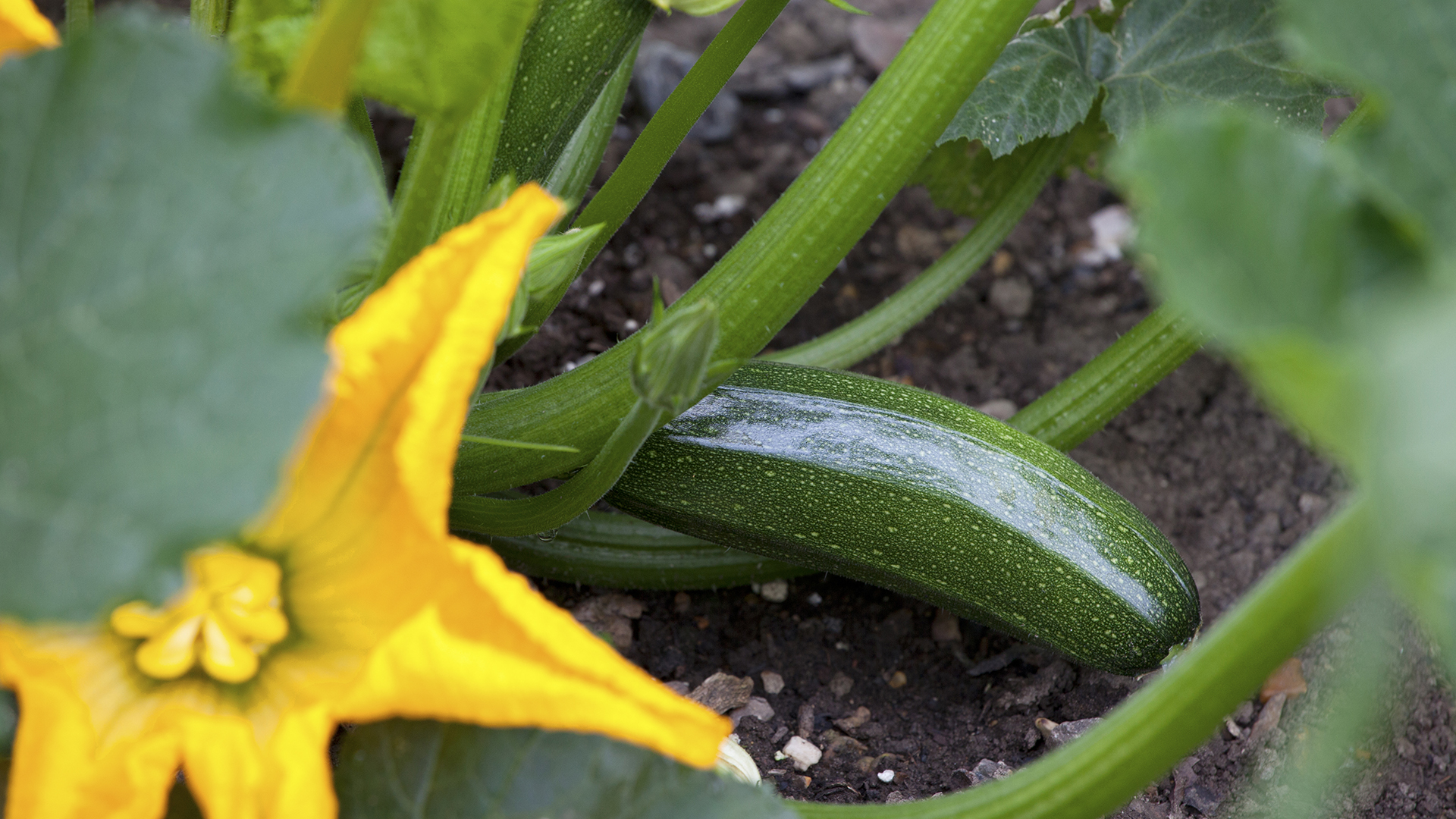
Ever stand in your garden, sunshine warming your face, a packet of zucchini seeds in your hand, and a nagging question in the back of your mind: "Is it too late?" Planting zucchini can be a rewarding experience, offering a bounty of delicious and versatile vegetables. But timing is everything. Plant too early, and a late frost could spell disaster. Plant too late, and you risk missing out on the peak growing season, leaving you with a disappointing harvest. So, let's dive into the specifics of zucchini planting and pinpoint the absolute latest you can get those seeds in the ground for a successful crop.
Understanding Zucchini Growing Seasons
Zucchini, a member of the squash family, thrives in warm weather. They are fast growers, which is a blessing for impatient gardeners! However, this rapid growth also means they need a sufficiently long growing season to produce a good yield. To accurately determine the latest planting date, you'll need to understand a few key factors:
- Your Local Climate: This is the most crucial element. Different regions have different average frost dates and growing season lengths.
- Days to Maturity: This refers to the number of days it takes for a zucchini plant to produce mature fruits after the seeds germinate. This information is always available on the seed packet.
- First Expected Frost Date: Knowing when the first frost typically arrives in your area is essential for calculating the planting window.
Determining Your Latest Zucchini Planting Date
So, exactlywhen is the latest you can plant zucchini? Let's break it down. The key is to work backward from your average first frost date. Most zucchini varieties take between 50 and 65 days to mature. Therefore, the latest planting date is approximately 50-65 daysbeforeyour average first frost.
Here's a simple formula:
Latest Planting Date = Average First Frost Date - Days to Maturity
For example, if your average first frost date is October 15th, and your chosen zucchini variety takes 55 days to mature, then your latest planting date would be around August 21st.
Important Considerations:
- This calculation provides ageneralguideline. Weather patterns can be unpredictable, and an early frost could still occur.
- Consider microclimates within your garden. Areas sheltered from wind or near a south-facing wall might be slightly warmer, allowing for a slightly later planting.
- If you are an avid gardener, you probably know that there are tools to help you maintain your plants. A good pair of pruning shears can be your best friend. Consider the Fiskars Bypass Pruning Shears, 5/8-Inch Cut Capacity Garden Clippers, Gardening Scissors with Sharp, Rust Resistant Steel Blade. This gardening scissors are great for trimming leaves and branches, and can be found here: https://amzn.to/4i LKbs8.
Factors Influencing the Latest Time to Plant Zucchini Seeds
Several factors can influence whether you can successfully plant zucchini later in the season. Here's a closer look:
Variety Selection
Some zucchini varieties are known for their shorter days to maturity. These varieties can be ideal if you're planting a bit later than ideal. Look for varieties labeled as "early" or "fast-maturing." Some popular fast-maturing zucchini varieties include 'Black Beauty', 'Early Crookneck', and 'Eight Ball'. These varieties can be harvested in as little as 45-50 days.
Starting Seeds Indoors
Starting zucchini seeds indoors can give you a head start on the growing season and effectively extend the planting window. Sow seeds indoors about 3-4 weeks before the last expected frost. Transplant the seedlings into your garden once the soil has warmed up and the risk of frost has passed. This method allows you to effectively "cheat" the calendar and plant zucchini later than you otherwise could.
Using Season Extension Techniques
Even if you're planting later in the season, you can use season extension techniques to protect your plants from early frosts and provide them with a warmer environment. These techniques include:
- Row Covers: Lightweight fabric covers that protect plants from frost, wind, and pests.
- Cloches: Transparent covers (glass, plastic, or netting) placed over individual plants to create a mini-greenhouse.
- Cold Frames: Enclosed structures that provide a sheltered growing environment.
Soil Temperature
Zucchini seeds germinate best when the soil temperature is between 65°F and 75°F (18°C and 24°C). Planting in soil that is too cold can result in poor germination or stunted growth. Use a soil thermometer to check the soil temperature before planting. If the soil is too cold, you can warm it up by covering it with black plastic mulch for a few days.
What Happens If You Plant Zucchini Too Late?
Planting zucchini too late in the season carries several risks:
- Reduced Yield: Plants may not have enough time to produce a full harvest before the first frost arrives.
- Smaller Fruits: Fruits may not reach their full size and maturity.
- Increased Susceptibility to Pests and Diseases: Plants stressed by late planting may be more vulnerable to pests and diseases.
- Frost Damage: Early frosts can damage or kill zucchini plants, especially young seedlings.
However, it's not always a complete failure! Depending on the severity of the weather and the measures you take to protect your plants, you may still be able to salvage a decent harvest. Even if the plants don't produce a bumper crop, you can still enjoy some fresh zucchini from your garden.
Tips for Late-Season Zucchini Planting
If you find yourself planting zucchini later than ideal, here are some tips to increase your chances of success:
- Choose a Fast-Maturing Variety: As mentioned earlier, opt for zucchini varieties with shorter days to maturity.
- Start Seeds Indoors: Give your plants a head start by starting them indoors.
- Prepare the Soil Well: Amend the soil with compost or other organic matter to provide the plants with the nutrients they need.
- Provide Adequate Water and Sunlight: Zucchini plants need plenty of water and at least 6-8 hours of sunlight per day.
- Protect Plants from Frost: Use row covers, cloches, or other season extension techniques to protect plants from early frosts.
- Monitor for Pests and Diseases: Keep an eye out for pests and diseases and take action promptly to prevent them from spreading.
Conclusion: Finding the Sweet Spot for Planting Zucchini
Determiningthe latest time to plant zucchini is a balancing act. It's about understanding your local climate, choosing the right varieties, and utilizing techniques to extend the growing season. While there's no one-size-fits-all answer, by following the guidelines outlined above, you can increase your chances of enjoying a bountiful zucchini harvest, even if you're planting a bit later than planned. Remember to consult your local extension office for specific planting recommendations tailored to your area. Happy gardening!