Have you ever looked at your zucchini plant, overflowing with summer squash, and wondered if you could use more than just the fruit? You might be surprised to learn that there's a lesser-known edible part: the stalk! Yes, that sturdy stem supporting your prolific zucchini can be a delicious addition to your kitchen creations, reducing waste and adding a unique flavor to your meals. Exploring the Edibility of Zucchini Plant Stalk Many gardeners are familiar with the delight of harvesting fresh zucchini, but few consider the potential of the zucchini plant stalk. Understanding the nutritional value, preparation techniques, and safety considerations surrounding zucchini stalks can unlock a whole new culinary dimension for your garden bounty. So, is the zucchini stalk edible? The short answer is yes, but with a few important caveats. We need to consider the age of the plant and potential bitterness. Mature zucchini stalks, especially those from older plants,...
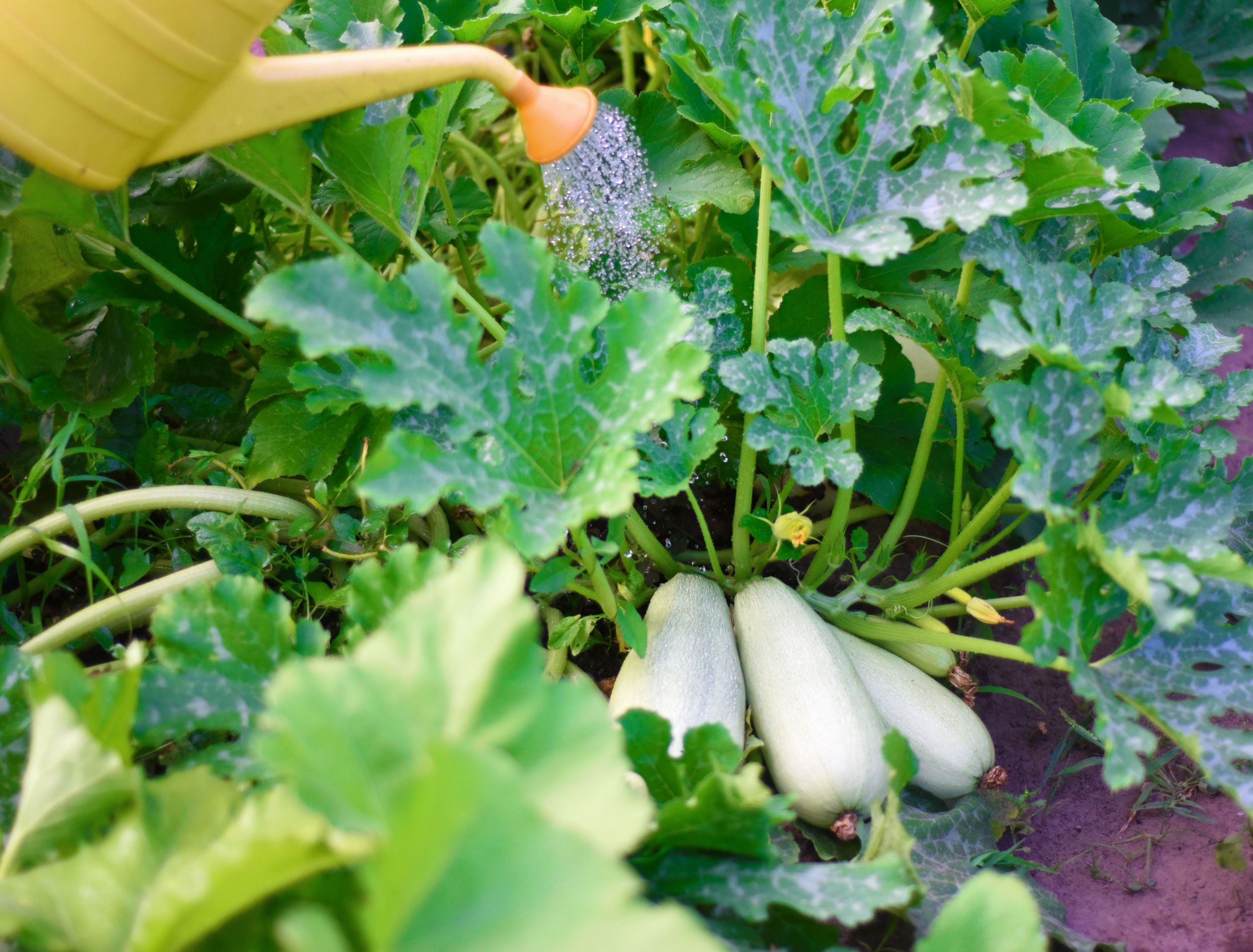
Zucchinis are the darlings of the summer garden, offering up a bounty of deliciousness. But sometimes, even the most seasoned gardener can face the frustrating problem of an unhappy zucchini plant. One common culprit behind a zucchini's distress is overwatering. But how do you know for sure if your plant is swimming in too much love? Let's dive into the telltale signs of an overwatered zucchini.
What are the Signs of Overwatered Zucchini Plants?
Identifying overwatering in your zucchini plants early can be the key to saving them. Overwatering doesn't just mean you've given them too much water at once; it often points to a more systemic problem like poor drainage or consistently wet soil. Spotting the signs can prevent root rot and other diseases that can quickly decimate your harvest. Recognizing these signs early allows for corrective action, ensuring a healthy and productive zucchini season.
Yellowing Leaves: An Early Warning
One of the first and most noticeable signs of an overwatered zucchini is the yellowing of its leaves. This isn't the gentle yellowing of autumn; it's a sickly, uneven discoloration that often starts at the bottom of the plant and works its way up. The leaves may appear pale, almost washed out, before turning yellow. This yellowing, known as chlorosis, happens because the plant's roots, saturated with water, can't effectively absorb the nutrients like nitrogen and iron that are vital for chlorophyll production. Without sufficient chlorophyll, the leaves lose their green pigment, resulting in that telltale yellow hue.
Consider this scenario: You've been diligent about watering your zucchini, perhaps even a little too enthusiastic. You notice the lower leaves are starting to turn yellow, while the upper leaves still appear green. This is a strong indication of overwatering. Unlike nutrient deficiencies that might cause more uniform yellowing across the plant, overwatering often presents in a gradient, starting with the leaves closest to the soggy soil.
Wilting Despite Moist Soil: A Confusing Signal
It might seem counterintuitive, but wilting leaves, even when the soil is damp, is a classic sign of overwatering. When roots are constantly submerged in water, they suffocate due to lack of oxygen. Healthy roots need to "breathe" to absorb water and nutrients efficiently. When they can't, the plant is unable to transport water to the leaves, leading to wilting, even though there's plenty of moisture in the soil. This is like trying to drink water through a straw that's been pinched shut – the water is there, but you can't get it.
If you see your zucchini leaves drooping and looking sad, even after recent watering, resist the urge to give them more water. Instead, check the soil moisture. If it feels soggy and waterlogged, overwatering is the likely culprit. In comparison, underwatered plants will have dry and brittle leaves.
Blistered or Swollen Leaves
Another sign of an overwatered zucchini plant can be blistered or swollen leaves. The excess water can cause cells within the leaves to rupture, leading to a bumpy or blistered appearance. These blisters can be small and subtle at first but can become more pronounced as the problem persists. The leaves may also feel thicker or more turgid than usual, as they are filled with excess water.
Soft, Mushy Stems and Root Rot
The stem is the backbone of your zucchini plant, and its health is crucial for its survival. Overwatering can lead to the softening and mushiness of the stem, particularly near the base of the plant. This is a sign that root rot, a fungal disease that thrives in overly moist conditions, has set in. Root rot is a serious threat because it compromises the plant's ability to absorb water and nutrients. Healthy roots are typically firm and white or tan in color. Roots affected by root rot will be brown, black, and mushy. They may also have a foul odor. If the root rot is extensive, the plant may be beyond saving.
Why Does Overwatering Happen?
Understanding why overwatering occurs is just as important as recognizing the symptoms. Several factors can contribute to this common gardening problem:
- Poor Drainage: Soil that doesn't drain well, such as heavy clay soil, can retain too much water, creating a soggy environment for the roots.
- Overwatering Frequency: Watering too frequently, even if you're not using a lot of water each time, can keep the soil consistently wet.
- Inadequate Sunlight: Plants need sunlight to photosynthesize and use water. If your zucchini isn't getting enough sun, it won't be able to process the water as efficiently.
- Container Issues: If your zucchini is planted in a container, make sure the pot has drainage holes and that they are not blocked.
How to Correct Overwatering in Zucchini Plants
If you suspect your zucchini is suffering from overwatering, don't despair! Here are some steps you can take to rectify the situation:
- Stop Watering: The first step is to immediately cease watering. Allow the soil to dry out before watering again.
- Improve Drainage: If the soil is poorly draining, consider amending it with compost, sand, or other organic matter to improve its texture and drainage capabilities. For container plants, ensure the drainage holes are clear.
- Relocate the Plant: If the plant is in a shaded area, move it to a sunnier location. More sunlight will help the plant use water more efficiently.
- Treat Root Rot: If you suspect root rot, carefully dig up the plant and inspect the roots. Remove any affected roots with a clean gardening tool. Treat the remaining roots with a fungicide specifically designed for root rot. Replant in well-draining soil. Consider using a product likeFiskars Bypass Pruning Shears, these sharp gardening clippers can help you precisely cut away the dead or diseased roots, promoting healthy growth. You can find them here:https://amzn.to/4i LKbs8.
- Monitor Closely: After taking these steps, closely monitor your zucchini plant for signs of recovery. Check the soil moisture regularly, and adjust your watering schedule as needed.
Preventing Overwatering in the Future
Prevention is always better than cure. Here are some tips to prevent overwatering your zucchini plants in the first place:
- Water Deeply, But Infrequently: When you do water, water deeply to encourage deep root growth. Then, allow the soil to dry out before watering again.
- Check Soil Moisture: Before watering, check the soil moisture by sticking your finger about an inch or two into the soil. If it feels moist, don't water.
- Choose the Right Soil: Use well-draining soil that allows excess water to escape.
- Provide Adequate Drainage: Ensure your planting area has good drainage. Consider raised beds or container gardening if your soil is prone to waterlogging.
- Consider the Weather: Adjust your watering schedule based on the weather. You may need to water more frequently during hot, dry periods and less frequently during cool, rainy periods.
Conclusion
Overwatering can be a significant threat to your zucchini plants, but by understanding the signs and taking proactive measures, you can save your plants and ensure a bountiful harvest. Remember to monitor your plants closely, adjust your watering schedule as needed, and provide them with the right growing conditions. With a little care and attention, your zucchini plants will thrive, providing you with delicious produce all summer long.