Have you ever looked at your zucchini plant, overflowing with summer squash, and wondered if you could use more than just the fruit? You might be surprised to learn that there's a lesser-known edible part: the stalk! Yes, that sturdy stem supporting your prolific zucchini can be a delicious addition to your kitchen creations, reducing waste and adding a unique flavor to your meals. Exploring the Edibility of Zucchini Plant Stalk Many gardeners are familiar with the delight of harvesting fresh zucchini, but few consider the potential of the zucchini plant stalk. Understanding the nutritional value, preparation techniques, and safety considerations surrounding zucchini stalks can unlock a whole new culinary dimension for your garden bounty. So, is the zucchini stalk edible? The short answer is yes, but with a few important caveats. We need to consider the age of the plant and potential bitterness. Mature zucchini stalks, especially those from older plants,...
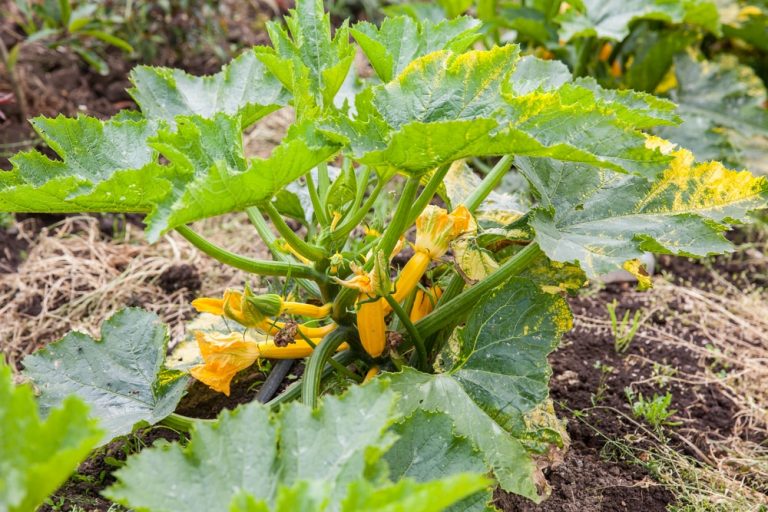
Seeing your zucchini plant's vibrant green leaves start to fade to yellow can be alarming. You've nurtured it, watered it, and waited patiently for those delicious zucchini to appear. Now this! Don't despair, though. Yellowing leaves are a common issue, and often easily remedied once you understand the underlying cause. Let's delve into the reasons why your zucchini plant leaves might be losing their color and how to get them back on track.
What Causes Zucchini Plant Leaves To Turn Yellow?
Several factors can contribute to zucchini leaves turning yellow. Identifying the specific cause is the first step towards finding the right solution. Let's explore some of the most common culprits:
Watering Issues: Too Much or Too Little
One of the most frequent reasons for yellowing zucchini leaves is improper watering. Zucchini plants need consistent moisture, but overwatering or underwatering can both lead to problems.
Overwatering
Overwatering suffocates the roots, preventing them from absorbing essential nutrients. This can manifest as yellowing leaves, often starting with the lower leaves. Signs of overwatering include:
- Yellowing leaves, especially older ones near the base of the plant.
- Soft, mushy stems.
- Standing water around the base of the plant.
- A foul odor emanating from the soil.
To remedy overwatering, ensure your soil has good drainage. Amend heavy clay soils with compost or other organic matter. Allow the soil to dry out between waterings. If your zucchini is in a container, make sure it has drainage holes. Avoid watering directly onto the leaves, as this can promote fungal diseases.
Underwatering
Conversely, insufficient water can also stress your zucchini plant, leading to yellowing leaves. When the plant doesn't get enough water, it sacrifices older leaves to conserve resources for new growth. Signs of underwatering include:
- Yellowing leaves, often starting with the lower leaves.
- Dry, brittle leaves.
- Wilting, even in the morning.
- Dry soil that pulls away from the edges of the pot (if container-grown).
To correct underwatering, water your zucchini deeply and regularly. Check the soil moisture regularly by sticking your finger about an inch into the soil. If it feels dry, it's time to water. Consider using mulch around the base of the plant to help retain moisture. During hot, dry periods, you may need to water more frequently.
Nutrient Deficiencies
Zucchini plants are heavy feeders and require adequate nutrients to thrive. Deficiencies in certain nutrients can cause yellowing leaves. Here are some common nutrient deficiencies that might be the reason for yellowing zucchini plant leaves:
Nitrogen Deficiency
Nitrogen is essential for healthy leaf growth and chlorophyll production. A lack of nitrogen results in yellowing leaves, usually starting with the older leaves at the bottom of the plant. The yellowing may progress upwards. Other signs include stunted growth and pale green foliage.
To address nitrogen deficiency, amend the soil with nitrogen-rich fertilizers or organic matter like composted manure. Blood meal is also a good source of nitrogen. Be careful not to over-fertilize, as this can lead to other problems.
Magnesium Deficiency
Magnesium is crucial for chlorophyll production and enzyme activation. Magnesium deficiency often manifests as interveinal chlorosis, meaning the tissue between the veins turns yellow while the veins remain green. This is more pronounced in older leaves.
To correct magnesium deficiency, apply Epsom salts (magnesium sulfate) to the soil. Dissolve one tablespoon of Epsom salts in a gallon of water and water the plant thoroughly. You can also spray the leaves with the solution, but be sure to do this in the morning or evening to avoid burning the leaves in the sun.
Iron Deficiency
Iron is another essential nutrient for chlorophyll production. Iron deficiency also causes interveinal chlorosis, similar to magnesium deficiency. However, with iron deficiency, the younger leaves are typically affected first.
To address iron deficiency, apply chelated iron to the soil. Chelated iron is a form of iron that is easily absorbed by plants. You can also lower the soil p H, as iron is more available to plants in acidic soils.
Pests and Diseases
Pests and diseases can weaken your zucchini plant, making it more susceptible to yellowing leaves. Here are some common pests and diseases that can cause this issue:
Squash Bugs
Squash bugs are sap-sucking insects that can cause significant damage to zucchini plants. They feed on the leaves, causing them to turn yellow, brown, and eventually die. You might also see squash bug nymphs or adults on the plant.
To control squash bugs, handpick them off the plants (especially early in the morning). You can also use insecticidal soap or neem oil. Row covers can help prevent squash bugs from reaching your plants in the first place.
Squash Vine Borers
Squash vine borers are moth larvae that tunnel into the stems of zucchini plants, disrupting water and nutrient flow. This can cause the plant to wilt and the leaves to turn yellow. You might see small holes in the stem or sawdust-like frass near the base of the plant.
To control squash vine borers, wrap the stems of your zucchini plants with aluminum foil or pantyhose to prevent the moths from laying eggs. You can also inject Bacillus thuringiensis (Bt) into the stems to kill the larvae. In the fall, remove and destroy infested plant material to prevent the borers from overwintering.
Powdery Mildew
Powdery mildew is a fungal disease that causes a white, powdery coating on the leaves. This can interfere with photosynthesis, leading to yellowing leaves. Powdery mildew is more common in humid conditions.
To prevent powdery mildew, ensure good air circulation around your zucchini plants. Avoid overhead watering and water in the morning so the leaves have time to dry. You can also apply a fungicide specifically designed for powdery mildew.
Other Diseases
Several other fungal and viral diseases can also cause yellowing leaves in zucchini plants. These include:
- Fusarium wilt: A fungal disease that causes wilting and yellowing of the leaves, often starting on one side of the plant.
- Verticillium wilt: Another fungal disease that causes similar symptoms to Fusarium wilt.
- Cucumber mosaic virus: A viral disease that causes mosaic patterns on the leaves, stunted growth, and yellowing.
For fungal diseases, remove and destroy infected plant material. Improve air circulation and drainage. Apply a fungicide if necessary. For viral diseases, there is no cure. Remove and destroy infected plants to prevent the spread of the virus. Control aphids, which can transmit viruses.
Environmental Stress
Sometimes, yellowing zucchini leaves are simply a result of environmental stress. This can include:
Temperature Extremes
Zucchini plants prefer warm temperatures (65-75°F). Exposure to extreme heat or cold can stress the plants and cause the leaves to turn yellow. Protect your zucchini plants from frost by covering them with blankets or row covers. Provide shade during the hottest part of the day to prevent heat stress.
Sunscald
Sunscald occurs when fruits or leaves are exposed to intense sunlight after being shaded. This can cause the affected areas to turn yellow or white. Provide adequate shade during periods of intense sunlight. Ensure that the plants have sufficient foliage to protect the fruits.
Natural Aging
Finally, it's important to remember that leaves naturally age and die off. As zucchini plants mature, the older leaves at the bottom of the plant may turn yellow and eventually brown. This is a normal part of the plant's life cycle and is not necessarily a cause for concern. Simply remove the dead leaves to improve air circulation and prevent disease.
By carefully observing your zucchini plant and considering these potential causes, you can diagnose the reason for the yellowing leaves and take appropriate action. With a little attention and care, you can restore your zucchini plant to its former glory and enjoy a bountiful harvest.
To ensure clean cuts when removing yellowed or diseased leaves from your zucchini plants, consider using a reliable pair of gardening clippers. A great choice is theFiskars Bypass Pruning Shears, known for their sharp, rust-resistant steel blade. With these garden scissors, you can precisely prune and maintain your plants for optimal health and growth. You can find these high-quality pruning shears here:https://amzn.to/4i LKbs8.