Have you ever looked at your zucchini plant, overflowing with summer squash, and wondered if you could use more than just the fruit? You might be surprised to learn that there's a lesser-known edible part: the stalk! Yes, that sturdy stem supporting your prolific zucchini can be a delicious addition to your kitchen creations, reducing waste and adding a unique flavor to your meals. Exploring the Edibility of Zucchini Plant Stalk Many gardeners are familiar with the delight of harvesting fresh zucchini, but few consider the potential of the zucchini plant stalk. Understanding the nutritional value, preparation techniques, and safety considerations surrounding zucchini stalks can unlock a whole new culinary dimension for your garden bounty. So, is the zucchini stalk edible? The short answer is yes, but with a few important caveats. We need to consider the age of the plant and potential bitterness. Mature zucchini stalks, especially those from older plants,...
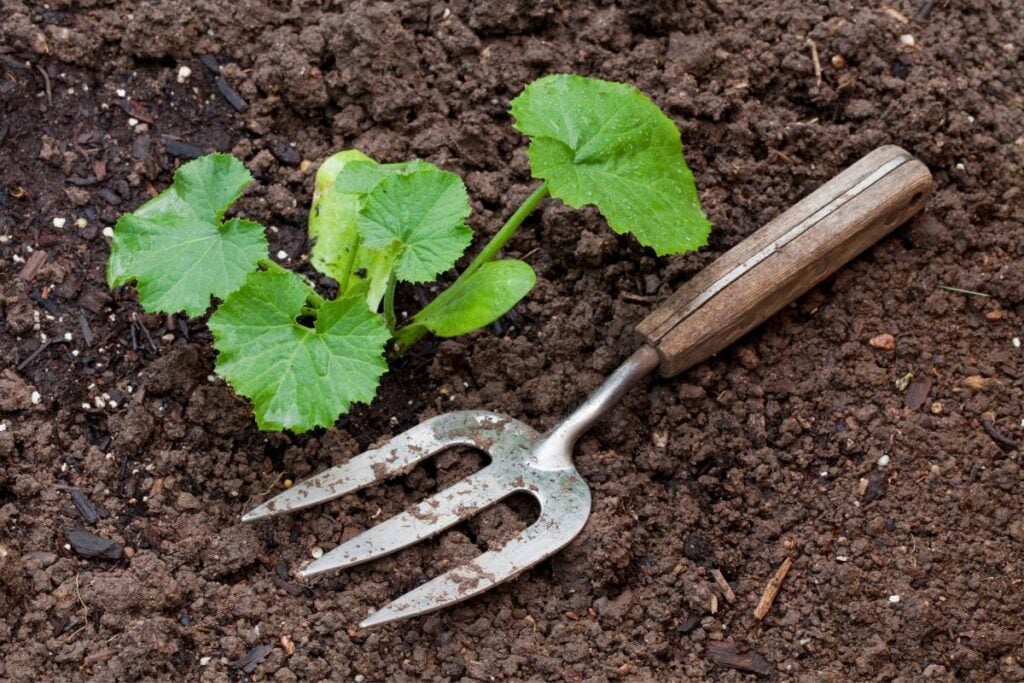
That urge hits every spring, doesn't it? The desire to get your hands dirty, to nurture life from a tiny seed, to harvest your own delicious food. And for many gardeners, that often leads to the question: "Should I just plant zucchini seeds?" It seems so simple, right? A packet of seeds, a sunny spot, a little water... and boom, zucchini galore! But before you dive headfirst into the zucchini patch, let's take a look at what it really takes to successfully grow these prolific vegetables.
Deciding Whether to Directly Sow Zucchini Seeds
The question of whether to directly sow zucchini seeds or start them indoors is a common one, and the answer depends on several factors. Direct sowing means planting the seeds directly into the garden soil where they will grow to maturity. This method is appealing because it's straightforward and avoids the need for transplanting, which can sometimes shock young plants. However, it also means the seeds are exposed to the elements and potential pests from the very beginning.
Benefits of Direct Sowing Zucchini Seeds
There are several advantages to choosing direct sowing. Firstly, it's less work! You skip the entire process of starting seeds indoors, managing seedlings, and hardening them off before transplanting. Secondly, direct-sown plants don't experience transplant shock, a period of stress that can stunt growth. This can result in stronger, healthier plants in the long run, especially if conditions are favorable. Thirdly, it can be more economical. You only need to buy the seeds, and skip buying seedling trays or pots.
- Less labor intensive.
- No transplant shock.
- Potentially stronger root systems.
- More economical
Drawbacks of Direct Sowing Zucchini Seeds
However, direct sowing also has its downsides. The biggest risk is the weather. Zucchini seeds need warm soil (ideally 60-70°F or 15-21°C) to germinate. If the soil is too cold or wet, the seeds may rot or fail to germinate. Pests can also be a significant problem. Young seedlings are vulnerable to slugs, snails, and other critters that can quickly decimate a freshly planted row. Weed competition is another factor. Direct-sown seeds have to compete with weeds for sunlight, water, and nutrients from the very beginning, which can hinder their growth. If you find that your current gardening shears are not up to par, you may need to replace them with a new pair of steel blade gardening scissors that will last a long time! You can find them here: https://amzn.to/4i LKbs8. Having the right tools will make maintaining a clean and healthy growing environment much easier!
- Vulnerability to cold weather and frost.
- Increased risk of pest damage.
- Competition from weeds.
- Slower initial growth.
The Alternative: Starting Zucchini Seeds Indoors
Starting zucchini seeds indoors gives you more control over the growing environment. You can ensure they have the warmth, light, and moisture they need to germinate and grow into healthy seedlings. This method is particularly useful in areas with short growing seasons or unpredictable spring weather.
Advantages of Starting Zucchini Seeds Indoors
The main advantage of starting seeds indoors is that it gives you a head start on the growing season. You can begin growing your zucchini several weeks before the last expected frost, allowing you to harvest earlier. This is especially beneficial if you live in a region with a short summer. Indoor starting also protects seedlings from harsh weather and pests. You can control the temperature, humidity, and light, creating an optimal environment for growth. Furthermore, you can use a sterile potting mix to reduce the risk of soilborne diseases. You will need to harden them off before transplanting outside. This means gradually exposing them to outdoor conditions (sun, wind, and temperature fluctuations) over a period of a week or two.
- Earlier harvests.
- Protection from harsh weather and pests.
- Control over growing conditions.
- Reduced risk of soilborne diseases.
Disadvantages of Starting Zucchini Seeds Indoors
The biggest disadvantage of starting seeds indoors is the need for additional equipment and space. You'll need seed trays, pots, grow lights (optional but highly recommended), and a warm, well-lit area. Transplant shock is another potential issue. Moving seedlings from their cozy indoor environment to the garden can stress them, potentially slowing their growth for a while. It is also more time and labor-intensive than direct sowing.
- Requires more equipment and space.
- Risk of transplant shock.
- More time and labor-intensive.
Factors to Consider Before Planting Zucchini Seeds
Before you decide whether to directly sow or start indoors, consider these factors:
Your Local Climate
The most critical factor is your local climate. If you live in a region with a long, warm growing season, direct sowing might be a perfectly viable option. However, if your springs are short and cool, starting seeds indoors will give you a significant advantage.
Soil Temperature
Zucchini seeds need warm soil to germinate. Use a soil thermometer to check the temperature before planting. The ideal soil temperature for zucchini germination is between 60-70°F (15-21°C). If the soil is too cold, the seeds may rot or fail to germinate. It is generally recommended that the soil temperature be consistently at this ideal range.
Available Space
Zucchini plants are sprawling and need plenty of space to grow. Ensure you have enough room in your garden to accommodate mature plants. A single zucchini plant can easily take up 4-6 square feet. Zucchini plants need full sun, meaning at least 6-8 hours of direct sunlight per day.
Pest Pressure
Consider the pest pressure in your area. If slugs, snails, squash vine borers, or other pests are a common problem, starting seeds indoors can give your plants a head start and make them more resilient. Regular inspection and early intervention are key to managing pests.
Your Gardening Experience
If you are a beginner gardener, direct sowing might be the simpler option. However, if you are comfortable with the process of starting seeds indoors and have the necessary equipment, it can be a rewarding way to get a head start on the season.
How to Directly Sow Zucchini Seeds
If you decide to directly sow your zucchini seeds, follow these steps:
- Prepare the soil: Choose a sunny spot with well-drained soil. Amend the soil with compost or other organic matter to improve its fertility and drainage.
- Sow the seeds: Plant the seeds 1 inch deep and 2-3 feet apart. Sow 2-3 seeds per hill, and thin to the strongest seedling once they emerge.
- Water regularly: Keep the soil consistently moist until the seeds germinate.
- Protect from pests: Use row covers or other physical barriers to protect seedlings from pests.
- Weed diligently: Remove weeds regularly to prevent them from competing with your zucchini plants.
How to Start Zucchini Seeds Indoors
If you decide to start your zucchini seeds indoors, follow these steps:
- Sow the seeds: Plant the seeds 1/2 inch deep in seed trays or small pots filled with seed-starting mix.
- Provide warmth and light: Place the trays or pots in a warm location (70-75°F or 21-24°C) and provide plenty of light. Use grow lights if necessary.
- Water regularly: Keep the soil consistently moist but not waterlogged.
- Harden off the seedlings: Gradually expose the seedlings to outdoor conditions over a period of a week or two.
- Transplant: Once the seedlings have hardened off and the danger of frost has passed, transplant them into the garden, spacing them 2-3 feet apart.
Troubleshooting Common Zucchini Problems
Even with the best planning, you may encounter some problems when growing zucchini. Here are some common issues and how to address them:
Powdery Mildew
Powdery mildew is a fungal disease that appears as a white, powdery coating on the leaves. To prevent powdery mildew, provide good air circulation around the plants, avoid overhead watering, and apply a fungicide if necessary.
Squash Vine Borers
Squash vine borers are pests that tunnel into the stems of zucchini plants, causing them to wilt and die. To prevent squash vine borers, wrap the stems of young plants with aluminum foil or netting. You can also inject Bacillus thuringiensis (Bt)into the stems to kill the borers.
Blossom End Rot
Blossom end rot is a condition that causes the ends of zucchini fruits to rot. It is usually caused by a calcium deficiency in the soil. To prevent blossom end rot, amend the soil with calcium before planting and water regularly to maintain consistent soil moisture.
So, Should You Just Plant Zucchini Seeds?
Ultimately, the decision of whether to directly sow zucchini seeds or start them indoors depends on your individual circumstances. Consider your climate, soil temperature, available space, pest pressure, and gardening experience. Both methods can be successful, so choose the one that best suits your needs and preferences. With a little planning and effort, you can enjoy a bountiful harvest of delicious zucchini!