Have you ever looked at your zucchini plant, overflowing with summer squash, and wondered if you could use more than just the fruit? You might be surprised to learn that there's a lesser-known edible part: the stalk! Yes, that sturdy stem supporting your prolific zucchini can be a delicious addition to your kitchen creations, reducing waste and adding a unique flavor to your meals. Exploring the Edibility of Zucchini Plant Stalk Many gardeners are familiar with the delight of harvesting fresh zucchini, but few consider the potential of the zucchini plant stalk. Understanding the nutritional value, preparation techniques, and safety considerations surrounding zucchini stalks can unlock a whole new culinary dimension for your garden bounty. So, is the zucchini stalk edible? The short answer is yes, but with a few important caveats. We need to consider the age of the plant and potential bitterness. Mature zucchini stalks, especially those from older plants,...
Have you ever wandered through a farmer's market, eyes wide with the abundance of fresh produce, and thought, "Is that...a zucchini?" while staring at something that looks alittledifferent? You might have stumbled upon the intriguing world of the okra plant, and the question of whether it's somehow related to our beloved zucchini. Let's dive deep and unravel the mystery!
Understanding the Okra Plant: Not Just a Zucchini Look-Alike
While you might see a slight resemblance in shape or color between some varieties of okra and zucchini, especially when they're young,the okra plant is definitely not a zucchini. They belong to completely different plant families and have distinct botanical characteristics. Okra (Abelmoschus esculentus) is a member of the mallow family (Malvaceae), which also includes cotton, hibiscus, and hollyhocks. On the other hand, zucchini (Cucurbita pepo) is part of the cucurbit family (Cucurbitaceae), alongside pumpkins, cucumbers, and melons. This fundamental difference in their lineage explains why they behave, taste, and grow so differently.
Okra Plant's Unique Characteristics
Okra is a warm-season vegetable that thrives in hot climates. It's known for its tall, upright growth habit, often reaching heights of 4 to 8 feet. The plant features attractive, hibiscus-like flowers, typically creamy white or yellow with a dark purple center. But the real star of the show is the okra pod itself, a slender, ridged fruit that is harvested when it's young and tender. When cooked, okra has a distinctive flavor and texture, often described as slightly grassy with a mucilaginous quality (that's the "slimy" factor some people dislike). This mucilage is actually a source of dietary fiber and can be managed with proper cooking techniques like roasting or pickling.
Here's a quick breakdown of okra's key features:
- Family: Mallow (Malvaceae)
- Growth Habit: Tall, upright
- Flowers: Hibiscus-like, creamy white or yellow
- Fruit: Slender, ridged pod
- Flavor: Slightly grassy, sometimes mucilaginous
- Growing Conditions: Warm, sunny climates
Zucchini's Distinct Features
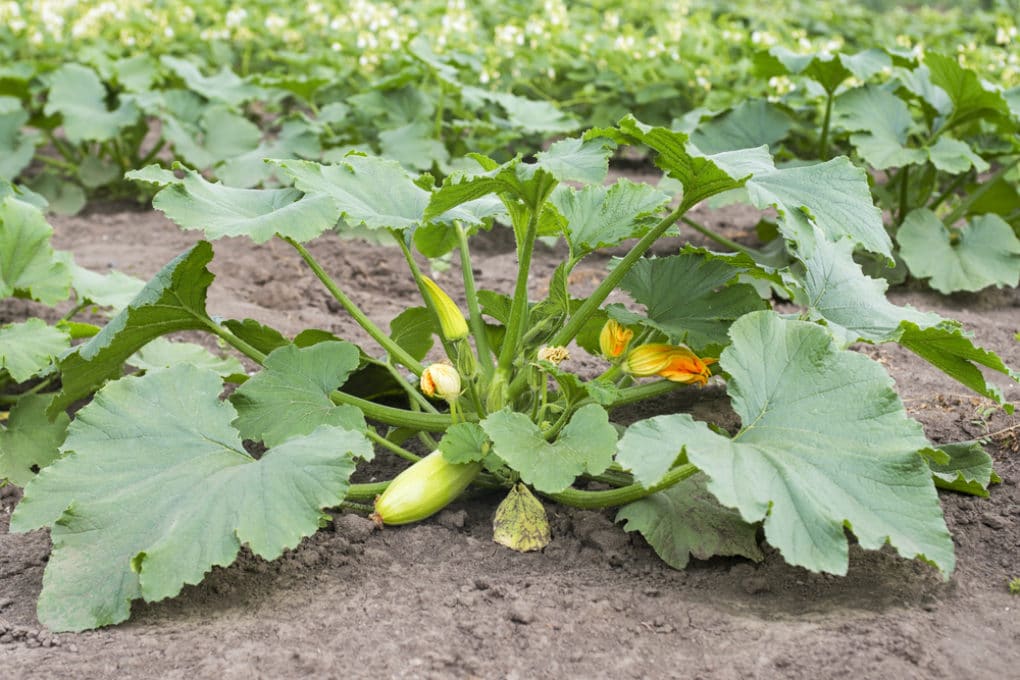
Zucchini, in contrast, is a bush-type squash that generally stays relatively compact. Its leaves are large and lobed, and its flowers are bright yellow. The zucchini fruit is typically cylindrical, though some varieties can be round or bulbous. Unlike okra, zucchini is known for its mild, almost bland flavor, which makes it incredibly versatile in the kitchen. It can be grilled, roasted, sautéed, baked, or even eaten raw in salads.
Here’s zucchini in a nutshell:
- Family: Cucurbit (Cucurbitaceae)
- Growth Habit: Bush-type
- Flowers: Bright yellow
- Fruit: Cylindrical, round, or bulbous
- Flavor: Mild, versatile
- Growing Conditions: Warm, sunny climates, but more tolerant of cooler temperatures than okra
Comparing the Cultivation of Okra and Zucchini
Even though both okra and zucchini are warm-season vegetables, their cultivation requirements differ slightly. Okra is more demanding when it comes to heat; it needs consistent high temperatures to thrive. Zucchini is a bit more forgiving and can tolerate slightly cooler conditions. Both plants benefit from well-drained soil and plenty of sunlight.
Soil and Watering Needs
Okra prefers slightly acidic soil with a p H between 6.0 and
6.8. It's also relatively drought-tolerant once established, although regular watering during dry spells will promote better pod production. Zucchini, on the other hand, prefers a neutral to slightly alkaline soil with a p H between
6.5 and
7.5. It needs consistent moisture, especially during fruit development, to prevent blossom end rot.
Pest and Disease Susceptibility
Both okra and zucchini can be susceptible to various pests and diseases. Common pests for okra include aphids, flea beetles, and corn earworms. Zucchini is often plagued by squash bugs, squash vine borers, and powdery mildew. Implementing good garden hygiene practices, such as removing debris and rotating crops, can help minimize these issues.
Culinary Uses: Okra Versus Zucchini
The culinary applications of okra and zucchini are vastly different, reflecting their distinct flavors and textures. Okra is a staple in Southern cuisine, often used in gumbos, stews, and fried dishes. Its mucilaginous quality acts as a natural thickener in soups and stews. In Indian cuisine, okra is commonly stir-fried with spices or used in curries. Zucchini, with its mild flavor, is incredibly versatile. It can be used in sweet and savory dishes alike. Think zucchini bread, zucchini noodles (zoodles), ratatouille, and stuffed zucchini blossoms. While some might confuse the Orka Plant Is A Zucchini when first seeing it, there should be no confusion when they are prepared.
Consider these key differences in their culinary use:
- Okra: Soups, stews, gumbos, fried dishes, curries, pickles. Its mucilage thickens dishes.
- Zucchini: Grilled, roasted, sautéed, baked, raw in salads, zucchini bread, zoodles, ratatouille. Its mild flavor makes it adaptable.
Nutritional Benefits of Okra and Zucchini
Both okra and zucchini offer valuable nutritional benefits. Okra is a good source of dietary fiber, vitamins A and C, and folate. Its high fiber content aids in digestion and helps regulate blood sugar levels. Zucchini is low in calories and rich in vitamins B6 and C, as well as potassium. It's also a good source of antioxidants, which help protect against cell damage. Both are good for you, but very different!
Here’s a quick comparison of their nutritional highlights:
| Nutrient | Okra | Zucchini |
|---|---|---|
| Fiber | High | Moderate |
| Vitamin A | Good source | Moderate |
| Vitamin C | Good source | Good source |
| Folate | Good source | Moderate |
| Potassium | Moderate | Good source |
To keep your garden and your plants looking great, especially when harvesting your okra and zucchini, consider using quality tools. TheFiskars Bypass Pruning Shears are excellent for trimming and harvesting. They feature a sharp, rust-resistant steel blade and offer a 5/8-inch cut capacity, making it simple to manage your garden. You can find them here: Fiskars Pruning Shears, and they are a gardening staple to maintain the Orka Plant.
So, Is the Orka Plant Is A Zucchini? The Final Verdict
The answer is a resounding no! While they might share some superficial similarities, okra and zucchini are distinct vegetables with unique botanical characteristics, cultivation requirements, culinary uses, and nutritional profiles. Appreciating their individual qualities allows you to make the most of their contributions to your garden and your plate.