Have you ever looked at your zucchini plant, overflowing with summer squash, and wondered if you could use more than just the fruit? You might be surprised to learn that there's a lesser-known edible part: the stalk! Yes, that sturdy stem supporting your prolific zucchini can be a delicious addition to your kitchen creations, reducing waste and adding a unique flavor to your meals. Exploring the Edibility of Zucchini Plant Stalk Many gardeners are familiar with the delight of harvesting fresh zucchini, but few consider the potential of the zucchini plant stalk. Understanding the nutritional value, preparation techniques, and safety considerations surrounding zucchini stalks can unlock a whole new culinary dimension for your garden bounty. So, is the zucchini stalk edible? The short answer is yes, but with a few important caveats. We need to consider the age of the plant and potential bitterness. Mature zucchini stalks, especially those from older plants,...
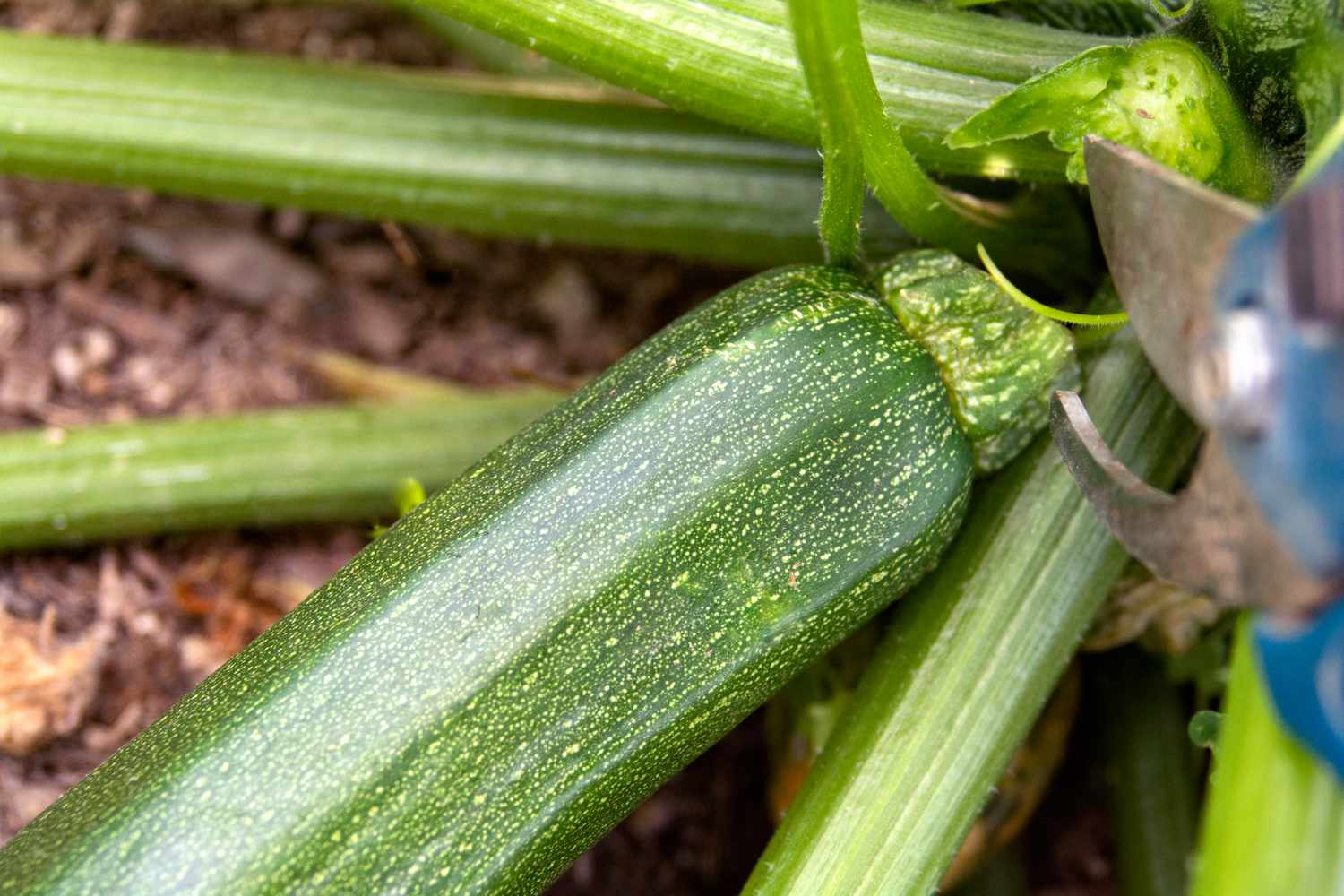
Have you ever stood in your garden, admiring your bountiful zucchini plants, only to wonder: is it better to cut or snap those beauties off the vine? It seems like a simple question, but the answer can have a significant impact on the health of your plant and the quality of your harvest. Let's dive into the best practices for harvesting zucchini to ensure a thriving garden and delicious meals.
When to Harvest Zucchini: A Key to Success
Knowingwhento harvest your zucchini is just as important ashowyou harvest it. Zucchini grows quickly, and a fruit that's perfectly sized today can become an oversized, bland behemoth in just a few days. The ideal size for harvesting most zucchini varieties is when they are between 6 and 8 inches long. At this stage, the skin is tender, the seeds are small, and the flavor is at its peak.
Signs of an Overripe Zucchini
- Large size: Anything significantly larger than 8 inches.
- Hard skin: The skin becomes thick and difficult to pierce with a fingernail.
- Large seeds: The seeds inside become noticeable and tough.
- Dull flavor: The taste becomes bland and watery.
While oversized zucchini isn't poisonous, it's simply not as enjoyable to eat. Regular harvesting encourages the plant to produce more fruit, so check your zucchini plants daily during peak season.
The Great Debate: Cut or Snap Zucchini From the Plant?
Now, let's address the core question: is it better tocut or snap zucchini off the plant? The short answer is:cutting is generally the preferred method. However, let's examine the pros and cons of each approach.
The Case for Cutting Zucchini
Cutting zucchini offers several advantages:
- Reduced Plant Stress: A clean cut minimizes the risk of tearing the plant, which can create an entry point for pests and diseases.
- Cleaner Harvest: Cutting ensures a neat separation of the zucchini from the stem, preventing damage to the surrounding foliage.
- Disease Prevention: A clean cut wound heals faster than a torn stem, reducing the risk of fungal or bacterial infections.
To cut your zucchini, use a sharp knife or a pair of pruning shears. Make the cut about 1-2 inches from the base of the zucchini, leaving a small stem attached to the fruit. This stem helps to prolong the zucchini's shelf life.
Having the right tools for the job makes all the difference, and a good pair of gardening scissors like theFiskars Bypass Pruning Shears, which can effortlessly make clean cuts thanks to its sharp, rust resistant steel blade and 5/8-Inch Cut Capacity, can make harvesting much easier. You can find it here:https://amzn.to/4i LKbs8.
The Case for Snapping Zucchini
While not the ideal method, snapping zucchinicanbe done in certain circumstances. However, it comes with caveats.
- Convenience: Snapping is faster and requires no tools.
- Possible when Young: If the zucchini is very young and the stem is still tender, it might snap cleanly without causing significant damage.
However, snapping zucchini often results in:
- Plant Damage: Tearing the stem can create open wounds, attracting pests and diseases.
- Incomplete Harvest: The stem might not break cleanly, leaving a ragged edge that can rot.
If you choose to snap zucchini, do so with extreme care. Gently twist and pull the fruit until it detaches. If it doesn't come off easily, abandon the attempt and grab a knife or pruning shears. Assess the remaining stem on the plant for any damage, and keep an eye on it for signs of infection.
Tools of the Trade: Essential Harvesting Gear
Having the right tools can make your zucchini harvest more efficient and less stressful on your plants. Here's a list of essential gear:
- Sharp Knife or Pruning Shears: As mentioned, a sharp cutting tool is crucial for a clean harvest. Bypass pruners are generally preferred over anvil pruners, as they make a cleaner cut.
- Gloves: Protect your hands from prickly stems and potential irritants.
- Basket or Bucket: Keep your harvested zucchini organized and prevent them from rolling around and getting bruised.
- First-Aid Kit: Accidents can happen, so it's always good to have a basic first-aid kit on hand for minor cuts or scrapes.
Post-Harvest Care: Extending the Life of Your Zucchini
Once you've harvested your zucchini, proper storage is essential to maintain its freshness and flavor. Here are some tips for post-harvest care:
- Don't Wash Immediately: Washing zucchini before storing it can promote mold growth. Wipe off any excess dirt, but wait to wash until you're ready to use it.
- Store in the Refrigerator: Place zucchini in a perforated plastic bag in the crisper drawer of your refrigerator.
- Optimal Temperature: The ideal storage temperature for zucchini is between 40°F and 50°F (4°C and 10°C).
- Shelf Life: Properly stored zucchini can last for up to a week in the refrigerator.
Preserving Your Zucchini Harvest
If you have a bumper crop of zucchini, consider preserving some for later use. Here are a few popular methods:
- Freezing: Shredded zucchini can be frozen for use in baking. Blanching before freezing helps to preserve the color and texture.
- Pickling: Zucchini can be pickled in a variety of sweet or savory brines.
- Dehydrating: Zucchini chips are a healthy and delicious snack.
- Making Zucchini Bread or Muffins: Bake zucchini bread or muffins and freeze them for a quick and easy treat.
Troubleshooting Common Zucchini Problems
Even with the best harvesting practices, you might encounter some common problems with your zucchini plants. Here's a quick troubleshooting guide:
- Blossom End Rot: Caused by calcium deficiency. Ensure proper watering and consider adding calcium to the soil.
- Powdery Mildew: A fungal disease that appears as a white, powdery coating on the leaves. Improve air circulation and use a fungicide if necessary.
- Squash Vine Borers: These pests can burrow into the stems of your zucchini plants, causing them to wilt and die. Use row covers to prevent them from laying eggs, or inject Bacillus thuringiensis(Bt) into the stems.
Conclusion: Harvest with Care for a Thriving Garden
Ultimately, the best way tocut or snap zucchini off your plant is to prioritize the health of the plant itself. By using a sharp cutting tool and practicing proper harvesting techniques, you can minimize the risk of damage and ensure a bountiful harvest of delicious zucchini all season long. Happy gardening!