Have you ever looked at your zucchini plant, overflowing with summer squash, and wondered if you could use more than just the fruit? You might be surprised to learn that there's a lesser-known edible part: the stalk! Yes, that sturdy stem supporting your prolific zucchini can be a delicious addition to your kitchen creations, reducing waste and adding a unique flavor to your meals. Exploring the Edibility of Zucchini Plant Stalk Many gardeners are familiar with the delight of harvesting fresh zucchini, but few consider the potential of the zucchini plant stalk. Understanding the nutritional value, preparation techniques, and safety considerations surrounding zucchini stalks can unlock a whole new culinary dimension for your garden bounty. So, is the zucchini stalk edible? The short answer is yes, but with a few important caveats. We need to consider the age of the plant and potential bitterness. Mature zucchini stalks, especially those from older plants,...
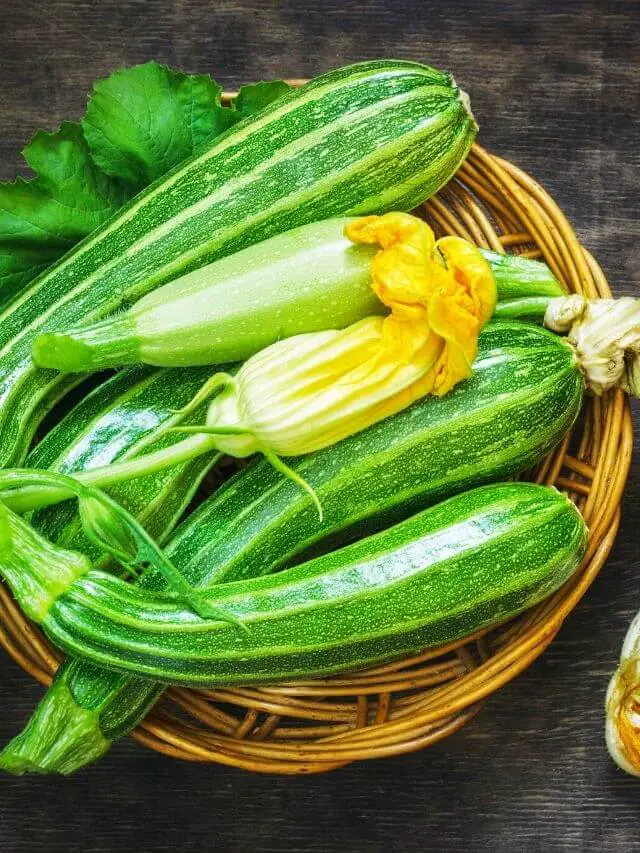
We all love our furry friends and want to keep them safe and healthy. As gardeners, we also love our plants and want to cultivate a thriving garden. But what happens when those two worlds collide? You might be wondering, "Are zucchini plants poisonous to cats?". It's a valid concern, and one we're going to explore in detail, helping you understand the risks and how to keep your kitty safe.
Are Zucchini Plants Really Poisonous to Cats?
The simple answer is that, in most cases,zucchini plants are not considered highly toxic to cats. However, like with many things in life, the devil is in the details. While the fleshy part of the zucchini fruit itself is generally safe for cats to nibble on in small quantities, other parts of the plant, particularly the leaves and stems, contain compounds that could cause digestive upset.
Understanding the Potential Dangers of Zucchini Plants for Felines
Let's delve deeper into what aspects of the zucchini plant could pose a problem for your curious feline companion. While zucchini itself isn't inherently toxic, cats have different digestive systems than humans. They are obligate carnivores, meaning their bodies are designed to primarily process meat. Plant matter, in general, can be more difficult for them to digest. Here’s a breakdown of potential risks:
- Tough Plant Fibers: The leaves and stems of zucchini plants are quite fibrous. If a cat ingests a significant amount of these fibers, it can lead to digestive issues like vomiting, diarrhea, or constipation.
- Pesticides and Herbicides: This is a big one! Even if the zucchini plant itself isn't toxic, any pesticides or herbicides used on the plant can be extremely harmful to cats. Always thoroughly wash any produce from your garden, even if you don't think you've used anything on it, just in case. Furthermore, make sure the products you do use are labeled as pet-safe.
- Choking Hazard: Smaller pieces of the plant, especially tougher stems, could present a choking hazard for cats.
It’s important to note that reactions can vary depending on the individual cat, the amount ingested, and the overall health of the cat. Some cats may experience only mild symptoms, while others may have a more pronounced reaction.
Symptoms to Watch Out For If Your Cat Eats Zucchini Plant
If you suspect your cat has ingested part of a zucchini plant, it's important to monitor them closely for any signs of distress. Common symptoms include:
- Vomiting
- Diarrhea
- Loss of appetite
- Lethargy (unusual tiredness)
- Excessive drooling
- Abdominal pain (indicated by restlessness, whimpering, or guarding the abdomen)
If you observe any of these symptoms, it’s best to contact your veterinarian. Even if the symptoms seem mild, it's always better to err on the side of caution. A vet can assess the situation and recommend the best course of action, which may include supportive care to help alleviate the symptoms.
When to Seek Immediate Veterinary Attention
While mild symptoms can often be managed at home with your vet's guidance, certain situations warrant immediate veterinary attention:
- Difficulty breathing: This could indicate an allergic reaction or a more serious problem.
- Collapse or loss of consciousness: This is a medical emergency.
- Severe vomiting or diarrhea: If your cat is unable to keep down food or water, they are at risk of dehydration.
- Seizures: This is a serious neurological sign.
In any of these cases, don't hesitate to take your cat to the nearest emergency veterinary clinic.
How to Keep Your Cat Safe Around Zucchini Plants
Prevention is always better than cure. Here are some practical tips to keep your cat safe around your zucchini plants:
- Create a Barrier: The simplest solution is often the most effective. Consider using fencing or netting to create a physical barrier around your zucchini plants, preventing your cat from accessing them.
- Supervise Your Cat: If you allow your cat access to the garden, always supervise them closely. Redirect their attention if they start showing interest in the zucchini plants.
- Provide Cat-Friendly Alternatives: Cats sometimes chew on plants out of boredom or curiosity. Provide them with plenty of cat-safe toys and cat grass to satisfy their natural instincts.
- Use Pet-Safe Pest Control: If you need to use pesticides or herbicides, make sure they are specifically labeled as safe for pets. Read the instructions carefully and follow them precisely.
- Keep Zucchinis Out of Reach: Even though zucchini itself is relatively safe, keep it out of your cat's reach to prevent them from overeating or developing a taste for it.
Alternatives to Zucchini for Cats
If you're looking for healthy treats to share with your cat, there are many better alternatives than zucchini. Cooked chicken, fish, or even some commercially available cat treats are much more suitable for their carnivorous diet. Always consult with your veterinarian before introducing any new foods into your cat's diet.
Maintaining your garden doesn't have to be a hassle when you have the right tools. For maintaining your plants with precision and care, I highly recommend checking out theseFiskars Bypass Pruning Shears. This gardening scissor is a reliable gardening tool to help you manage your garden with ease. Find the dependable Fiskars Bypass Pruning Shears here:https://amzn.to/4i LKbs8.
Conclusion: Zucchini Plants and Cats - Proceed with Caution
While zucchini itself isn't highly toxic to cats, it's important to be aware of the potential risks associated with the plant, particularly the leaves, stems, and any chemicals used on it. By taking preventative measures and monitoring your cat for any signs of distress, you can ensure that your garden remains a safe and enjoyable space for both you and your furry friend. When it comes to the question of are zucchini plants poisonous to cats, the answer leans towards a 'not particularly', but precaution is always best.