Have you ever looked at your zucchini plant, overflowing with summer squash, and wondered if you could use more than just the fruit? You might be surprised to learn that there's a lesser-known edible part: the stalk! Yes, that sturdy stem supporting your prolific zucchini can be a delicious addition to your kitchen creations, reducing waste and adding a unique flavor to your meals. Exploring the Edibility of Zucchini Plant Stalk Many gardeners are familiar with the delight of harvesting fresh zucchini, but few consider the potential of the zucchini plant stalk. Understanding the nutritional value, preparation techniques, and safety considerations surrounding zucchini stalks can unlock a whole new culinary dimension for your garden bounty. So, is the zucchini stalk edible? The short answer is yes, but with a few important caveats. We need to consider the age of the plant and potential bitterness. Mature zucchini stalks, especially those from older plants,...
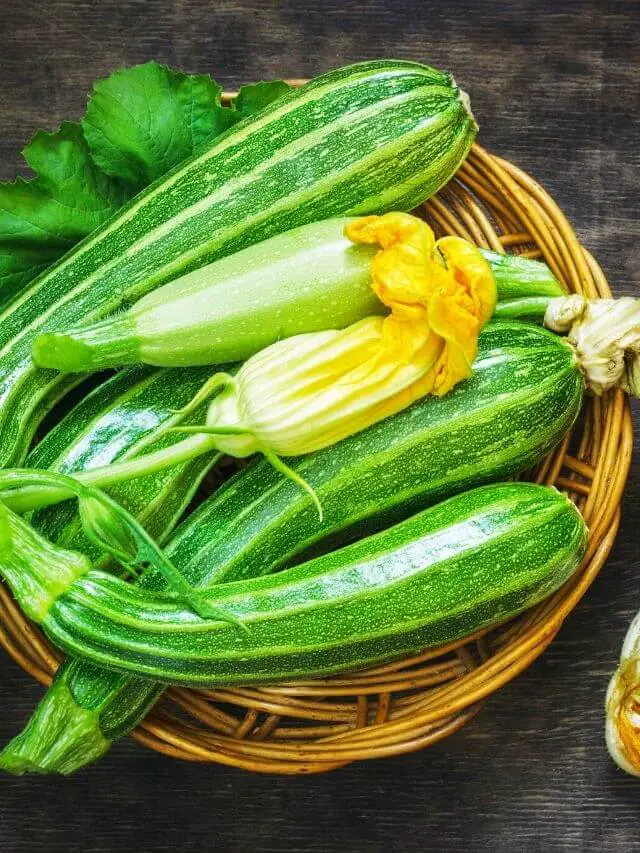
So, you're thinking about growing zucchini? Excellent choice! Nothing beats fresh, homegrown zucchini. But before you get started, you're probably wondering, how big do these things actually get? Understanding the size and growth habits of your zucchini plants is key to planning your garden and ensuring a bountiful harvest. Let's dive into everything you need to know about zucchini squash plant height and how to manage it.
Understanding Zucchini Squash Plant Height
Zucchini, scientifically known as Cucurbita pepo, is a summer squash that's prized for its prolific fruit production and ease of cultivation. When we talk aboutzucchini squash plant height, we're not just talking about how tall the plant stands straight up. We're also considering its overall spread and the potential for vining, though most zucchini varieties are bush types rather than vining types.
Typical Zucchini Plant Height:Bush vs. Vining Varieties
Most zucchini varieties are classified asbush types. This means they tend to grow in a more compact, upright form, rather than sprawling across the ground like their vining cousins (think pumpkins or some winter squashes). The average zucchini squash plant heightfor bush varieties typically ranges from 2 to 4 feet tall. Keep in mind that this is an average, and some varieties may be slightly shorter or taller. For example, some dwarf or compact varieties bred for container gardening might stay closer to 2 feet, while particularly vigorous specimens could push closer to 4 feet, especially under ideal growing conditions.
While most zucchini plants are bush varieties, it's important to note that somesemi-vining or vining zucchini varieties do exist. These types will naturally grow much taller, require more space, and will need support like a trellis or fence to keep the fruits off the ground and prevent diseases. These vining types could reach 6 feet or more in height when provided support.
Factors Influencing Zucchini Plant Height
Several factors can influence the finalheight of your zucchini squash plant. Understanding these factors can help you maximize your yield and manage your garden space more effectively.
- Variety: As mentioned above, the variety of zucchini you choose is the primary determinant of its ultimate size. Research different varieties to find one that fits your garden space and your desired yield. Consider varieties like 'Black Beauty', 'Costata Romanesco', or 'Golden Zucchini'.
- Soil Conditions: Zucchini plants thrive in well-drained, fertile soil rich in organic matter. Poor soil can stunt growth and lead to smaller plants. Adding compost or well-rotted manure to your garden bed before planting can significantly improve soil quality.
- Sunlight: Zucchini needs at least 6-8 hours of direct sunlight per day to grow properly. Insufficient sunlight will result in leggy, weak plants that are more susceptible to pests and diseases.
- Watering: Consistent watering is crucial, especially during fruiting. Irregular watering can stress the plants and affect their growth. Aim for about 1 inch of water per week, either from rainfall or irrigation.
- Fertilization: Zucchini plants are heavy feeders and benefit from regular fertilization. Use a balanced fertilizer (e.g., 10-10-10) or a fertilizer specifically formulated for vegetables.
- Pest and Disease Control: Pests like squash bugs, squash vine borers, and aphids can weaken plants and stunt their growth. Similarly, diseases like powdery mildew can inhibit photosynthesis and reduce plant vigor. Regular monitoring and appropriate pest and disease control measures are essential.
Managing Zucchini Squash Plant Height
Even though zucchini plants are generally compact, managing their size can still be important for maximizing space and promoting healthy growth. Here are some tips:
- Pruning: While not always necessary, you can prune zucchini plants to improve airflow and sunlight penetration. Remove any yellowing or damaged leaves. Be careful not to over-prune, as this can stress the plant.
- Spacing: Proper spacing is crucial. Bush-type zucchini plants should be spaced about 2-3 feet apart. This allows for adequate airflow and prevents overcrowding.
- Support: For semi-vining or vining varieties, provide a trellis or other support system to encourage vertical growth and keep the fruits off the ground.
- Container Gardening: If you're growing zucchini in containers, choose a large pot (at least 15 gallons) and select a compact variety. Regular watering and fertilization are essential in container gardening.
Zucchini Plant Height and Yield
While the height of a zucchini plant doesn't directly correlate to yield, a healthy and well-managed plant will undoubtedly produce more fruit. A plant growing vigorously towards its expectedzucchini squash plant height is generally a sign that it has adequate water, sunlight, and nutrients. These are all key for fruit production.
Stressed plants, which might be smaller due to insufficient water, sunlight, or nutrients, or because they are combating pests or disease, will generally produce fewer fruits, or lower quality fruits. So the overall health and vigor of the plant, partly indicated by how well it achieves its potentialheight, is a good indicator of yield potential.
Real-World Examples of Zucchini Growth
Here's a glimpse into the experiences of home gardeners with zucchini plants:
- Case Study 1: Compact Variety Success. Sarah from Ohio reported that her 'Patio Star' zucchini plants, grown in containers, reached a manageable height of just under 2 feet. They produced a steady stream of zucchinis throughout the summer with regular watering and feeding.
- Case Study 2: Overcrowding Issues. Mark from California planted his zucchini plants too close together, resulting in smaller plants that reached about 2.5 feet in height. He noticed reduced airflow and a higher incidence of powdery mildew. After thinning out the plants, he saw a significant improvement in both plant health and yield.
- Case Study 3: Optimizing Growth Conditions. Emily from Texas amended her heavy clay soil with compost and ensured her zucchini plants received at least 8 hours of sunlight daily. Her 'Black Beauty' plants reached a robust height of 3.5 feet and produced an abundance of zucchini.
To keep your zucchini in great shape you might even want to use a handy pair of garden clippers. If you need some durable and sharp gardening scissors with a rust resistant blade to keep your zucchini trimmed up, you can find some excellent Fiskars Bypass Pruning Shears here: https://amzn.to/4i LKbs8.
Conclusion: Mastering Zucchini Squash Plant Height
Understanding theheight of your zucchini squash plant is more than just a matter of curiosity; it's a crucial aspect of successful zucchini cultivation. By choosing the right variety, providing optimal growing conditions, and managing plant size through pruning and spacing, you can ensure a healthy and productive zucchini harvest. So, get out there, plant those seeds, and enjoy the delicious fruits (or rather, vegetables) of your labor!