Have you ever looked at your zucchini plant, overflowing with summer squash, and wondered if you could use more than just the fruit? You might be surprised to learn that there's a lesser-known edible part: the stalk! Yes, that sturdy stem supporting your prolific zucchini can be a delicious addition to your kitchen creations, reducing waste and adding a unique flavor to your meals. Exploring the Edibility of Zucchini Plant Stalk Many gardeners are familiar with the delight of harvesting fresh zucchini, but few consider the potential of the zucchini plant stalk. Understanding the nutritional value, preparation techniques, and safety considerations surrounding zucchini stalks can unlock a whole new culinary dimension for your garden bounty. So, is the zucchini stalk edible? The short answer is yes, but with a few important caveats. We need to consider the age of the plant and potential bitterness. Mature zucchini stalks, especially those from older plants,...
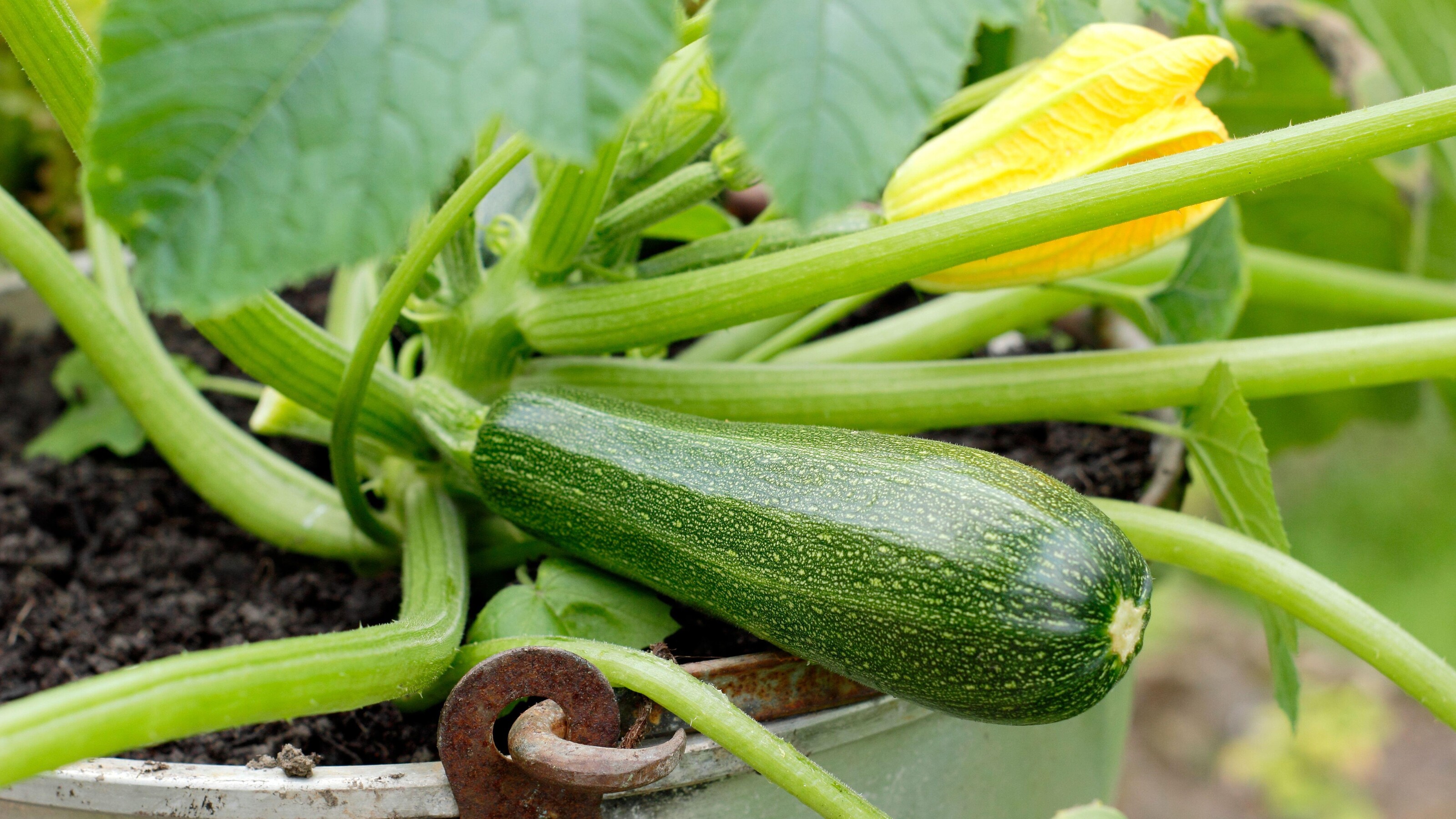
Have you ever felt the frustration of watching your zucchini plants bloom with beautiful, promising flowers, only to find that they never turn into the delicious green squash you were eagerly anticipating? It's a common gardening woe, but thankfully, it's often a problem that can be solved. Let's explore why your zucchini plants are flowering but not producing fruit and what you can do to encourage a bountiful harvest.
Why are My Zucchini Plants Flowering But Not Fruiting?
There are several reasons why you might be experiencing this problem. Understanding the underlying cause is the first step in finding a solution. We'll delve into the most common culprits, from pollination issues to environmental factors, and offer practical advice to get your zucchini plants producing.
Pollination Problems: The Main Reason for No Zucchini
One of the most frequent reasons for zucchini flowers failing to produce fruit is inadequate pollination. Zucchini plants have separate male and female flowers. The female flowers are the ones that will eventually produce the zucchini, but only if they are properly pollinated by a male flower. Bees are the primary pollinators, transferring pollen from the stamen of the male flower to the pistil of the female flower. Without this crucial step, the female flower will wither and die, leading to the dreaded "flower but no fruit" scenario.
Identifying Male and Female Zucchini Flowers
Knowing how to distinguish between male and female zucchini flowers is essential for understanding pollination. Here's how to tell the difference:
- Female Flowers: These have a small, immature zucchini fruit (a tiny swelling) at the base of the flower. The pistil is the central part of the flower.
- Male Flowers: These grow on long, thin stems and lack the immature fruit at the base. They contain the stamen, covered in pollen.
The Role of Bees and Other Pollinators
Bees are the workhorses of zucchini pollination, diligently flitting between male and female flowers. However, bee populations are declining in many areas due to habitat loss, pesticide use, and other environmental factors. Other pollinators, such as butterflies, moths, and even the wind, can also play a role, but bees are by far the most efficient. If you're not seeing many bees in your garden, you may need to take action to attract them.
Hand-Pollination: A Solution When Bees Aren't Enough
When natural pollinators are scarce, hand-pollination is a simple and effective solution. Here's how to do it:
- Identify a freshly opened male flower (ideally one that's shedding plenty of pollen).
- Gently pluck the male flower from the plant.
- Remove the petals to expose the stamen.
- Gently rub the stamen onto the pistil of a female flower.
- Repeat with other female flowers, using a fresh male flower for each.
The best time to hand-pollinate is in the early morning when the flowers are fully open and the pollen is most viable. You can tell if hand pollination was successful if the tiny zucchini starts to grow noticeably within a few days.
Environmental Factors Affecting Zucchini Fruit Production
Even with proper pollination, environmental factors can still prevent zucchini plants from producing fruit. Stressful conditions can weaken the plant, making it less likely to set fruit. Let's look at some of the key environmental considerations.
Temperature Fluctuations
Zucchini plants thrive in warm temperatures, ideally between 65°F and 75°F (18°C and 24°C). Extreme heat or cold can inhibit fruit production. High temperatures can cause the flowers to drop before pollination occurs, while cool temperatures can slow down plant growth and reduce the activity of pollinators. If you live in an area with unpredictable weather, consider providing your zucchini plants with some protection during temperature extremes, such as row covers or shade cloth.
Watering and Soil Conditions
Consistent watering is crucial for zucchini plants, especially during flowering and fruiting. Aim for deep, infrequent watering to encourage strong root growth. Avoid overhead watering, as this can promote fungal diseases. The soil should be well-draining and rich in organic matter. Amending your soil with compost or well-rotted manure before planting can help improve drainage and provide essential nutrients.
Sunlight Requirements
Zucchini plants need at least 6-8 hours of direct sunlight per day to thrive. Insufficient sunlight can weaken the plant, reduce flower production, and inhibit fruit set. Make sure to plant your zucchini in a location that receives plenty of sunshine throughout the day.
Nutrient Deficiencies That Hinder Zucchini Production
Just like any other plant, zucchini requires a balanced supply of nutrients to produce healthy fruit. Deficiencies in certain nutrients can lead to flowering without fruiting. Common nutrient deficiencies in zucchini include:
- Nitrogen: Promotes leafy growth. A lack of nitrogen can stunt the plant and reduce overall vigor.
- Phosphorus: Essential for root development and flowering. A phosphorus deficiency can lead to poor flower production and reduced fruit set.
- Potassium: Important for fruit development and overall plant health. A potassium deficiency can result in small or misshapen fruit.
A soil test can help you determine if your soil is lacking any essential nutrients. Amend your soil with appropriate fertilizers or organic matter to correct any deficiencies.
Other Potential Causes of Zucchini Flower Drop
Besides the factors already mentioned, other issues can contribute to zucchini flowers dropping without producing fruit:
- Plant Age: Sometimes, the first few flowers on a zucchini plant may drop off naturally as the plant establishes itself. This is usually not a cause for concern.
- Overcrowding: If zucchini plants are planted too close together, they may compete for sunlight, water, and nutrients, leading to reduced fruit production.
- Pests and Diseases: Pests like squash vine borers and diseases like powdery mildew can weaken the plant and inhibit fruit set.
Regularly inspect your plants for signs of pests or diseases and take appropriate action to control them. Make sure to space your zucchini plants adequately to allow for proper air circulation and sunlight penetration.
Preventative Measures for a Bountiful Zucchini Harvest
Taking preventative measures is key to ensuring a successful zucchini harvest. Here are some tips to help you avoid the "flower but no fruit" dilemma:
- Choose the right variety: Some zucchini varieties are more productive than others. Do some research and choose a variety that is well-suited to your climate and growing conditions.
- Prepare the soil properly: Amend your soil with compost or well-rotted manure before planting to improve drainage and fertility.
- Provide adequate sunlight: Plant your zucchini in a location that receives at least 6-8 hours of direct sunlight per day.
- Water consistently: Water deeply and infrequently, especially during flowering and fruiting.
- Attract pollinators: Plant flowers that attract bees and other pollinators, such as sunflowers, lavender, and borage.
- Hand-pollinate if necessary: If you're not seeing many bees, hand-pollinate your zucchini flowers to ensure proper fruit set.
- Monitor for pests and diseases: Regularly inspect your plants for signs of pests or diseases and take appropriate action to control them.
By understanding the reasons why zucchini plants flower but don't fruit and taking preventative measures, you can increase your chances of a bountiful harvest. Remember to be patient and observant, and don't be afraid to experiment with different techniques to find what works best for your garden.
Maintaining your garden requires the right tools. For precision pruning and deadheading, I highly recommend the Fiskars Bypass Pruning Shears, a wonderful gardening clipper with sharp, rust-resistant steel blades. You can find a pair of these trusty shears here: https://amzn.to/4i LKbs8. Investing in quality tools will make your gardening experience more enjoyable and productive.