Have you ever looked at your zucchini plant, overflowing with summer squash, and wondered if you could use more than just the fruit? You might be surprised to learn that there's a lesser-known edible part: the stalk! Yes, that sturdy stem supporting your prolific zucchini can be a delicious addition to your kitchen creations, reducing waste and adding a unique flavor to your meals. Exploring the Edibility of Zucchini Plant Stalk Many gardeners are familiar with the delight of harvesting fresh zucchini, but few consider the potential of the zucchini plant stalk. Understanding the nutritional value, preparation techniques, and safety considerations surrounding zucchini stalks can unlock a whole new culinary dimension for your garden bounty. So, is the zucchini stalk edible? The short answer is yes, but with a few important caveats. We need to consider the age of the plant and potential bitterness. Mature zucchini stalks, especially those from older plants,...
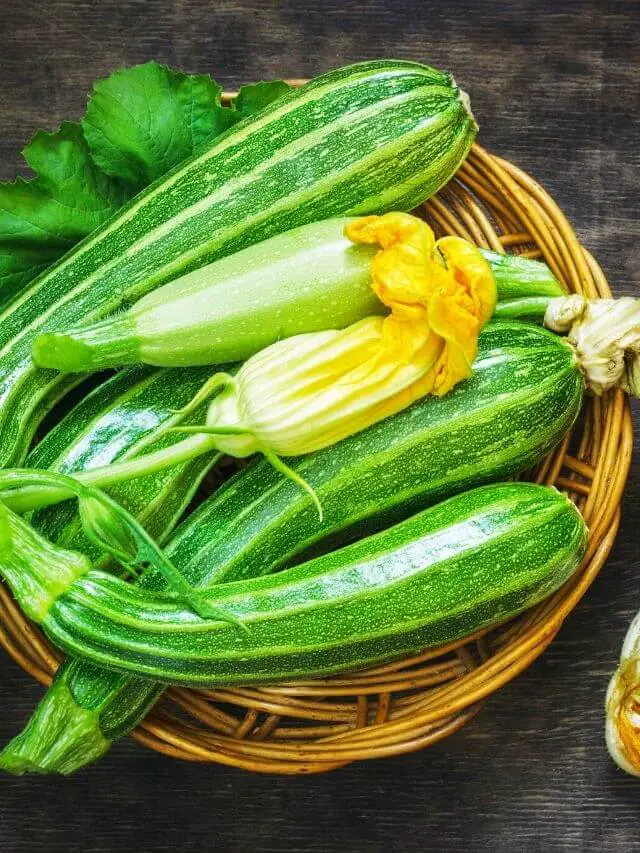
Ever dream of harvesting fresh, delicious zucchini right from your patio? Imagine stepping outside and picking a zucchini for tonight's dinner, all grown in a container you nurtured yourself. Well, the good news is, you absolutely can! Growing zucchini in containers is easier than you might think and a great way to enjoy homegrown goodness, even with limited space. Let's dive into how you can make it happen.
Why Grow Zucchini Plant In Containers?
There are so many reasons why growing a zucchini plant in containers is a fantastic idea. First and foremost, it's perfect for anyone with limited garden space. Whether you have a small balcony, a patio, or just a sunny corner, you can still enjoy fresh, homegrown zucchini. Container gardening also gives you more control over the soil and growing conditions, which can lead to healthier and more productive plants. Plus, it's just plain fun to watch your zucchini grow from a tiny seed to a harvestable veggie!
Advantages of Container Gardening for Zucchini
Container gardening offers several key advantages when it comes to growing zucchini. One significant benefit is*pest control. Container plants are often less susceptible to ground-dwelling pests and diseases. You can easily monitor your plants and take action at the first sign of trouble. For example, you can manually remove squash bugs or aphids before they become a major problem.
Another advantage is*soil control. You can use a high-quality potting mix that provides excellent drainage and nutrients, ensuring your zucchini plant gets the best possible start. You also avoid issues like compacted soil or soilborne diseases that might be present in a garden bed. Furthermore, you have the freedom to amend the soil according to your plant's needs. Want to increase the phosphorus content? Simply add bone meal to your container!
Mobilityis another often-overlooked advantage. If the weather turns unexpectedly cold, you can easily move your container zucchini plant indoors to protect it from frost. Or, if you find that your plant isn't getting enough sunlight in its current location, you can simply move the container to a sunnier spot. This flexibility is invaluable for ensuring your zucchini plant thrives.
Choosing the Right Container for Your Zucchini Plant
Selecting the right container is crucial for the success of your zucchini plant. Remember, zucchini plants are vigorous growers with extensive root systems, so they need plenty of room to spread out. Let's explore what factors to consider when choosing a container.
Size Matters:Container Dimensions
The most important factor when choosing a container for your zucchini plant is its size. A good rule of thumb is to choose a container that is at least24 inches in diameter and 24 inches deep. This will provide enough space for the plant's roots to grow and prevent it from becoming root-bound. Smaller containers might work temporarily, but your zucchini plant will quickly outgrow them, leading to stunted growth and reduced fruit production.
While plastic pots are affordable and lightweight, terracotta pots offer better aeration for the roots. Fabric pots are another great option, as they allow the roots to "air prune" themselves, which encourages more branching and a healthier root system. Whatever material you choose, make sure the container has adequate drainage holes to prevent waterlogging.
Material Considerations:Plastic, Terracotta, or Fabric?
The material of your container can also affect the health and growth of your zucchini plant. Here's a quick rundown of the pros and cons of different materials:
- Plastic Pots: Lightweight, affordable, and retain moisture well. However, they can overheat in direct sunlight and may not be as aesthetically pleasing as other options.
- Terracotta Pots: Provide excellent aeration and drainage, which is beneficial for zucchini plants. They are also more durable and aesthetically pleasing. However, they are heavier and can dry out quickly, requiring more frequent watering.
- Fabric Pots: Allow for excellent aeration and drainage, and the roots can "air prune" themselves, leading to a healthier root system. They are also lightweight and portable. However, they may dry out quickly and require more frequent watering.
No matter which material you choose, ensure that the container is sturdy and able to support the weight of a mature zucchini plant. Consider using a plant support or trellis to help support the plant's stems and prevent them from breaking.
Thinking about starting some of your seedlings indoors? Make sure you have a sharp pair of pruning shears for your gardening tasks. TheFiskars Bypass Pruning Shears with their sharp, rust-resistant steel blades, are ideal for shaping young zucchini plants and ensuring healthy growth. You can find them here: https://amzn.to/4i LKbs8. These garden clippers, with a 5/8-Inch Cut Capacity, are a valuable tool for any container gardener.
Planting and Caring for Your Container Zucchini
Once you've chosen the right container, it's time to plant and care for your zucchini. Let's walk through the steps to ensure your zucchini plant thrives in its container environment.
Choosing the Right Soil Mix
The soil you use in your container zucchini plant is critical to its success. Avoid using garden soil, as it can be too heavy and compact, leading to poor drainage and root rot. Instead, opt for a high-quality potting mix specifically designed for containers. These mixes are typically made from a blend of peat moss, perlite, and vermiculite, which provide excellent drainage and aeration.
You can also amend your potting mix with compost or other organic matter to provide additional nutrients. A good starting point is a mix of 60% potting mix, 20% compost, and 20% perlite. As your zucchini plant grows, you may need to supplement with additional fertilizer to ensure it gets all the nutrients it needs.
Sunlight, Watering, and Fertilizing
Zucchini plants are sun-loving vegetables, so they need at least6-8 hours of direct sunlight per day. Choose a location for your container that gets plenty of sun, such as a south-facing balcony or patio. If you don't have enough sunlight, you may need to supplement with grow lights.
Watering is another critical aspect of caring for your container zucchini plant. Zucchini plants need consistent moisture, especially during hot, dry weather. Water deeply whenever the top inch of soil feels dry to the touch. Be sure to water at the base of the plant to avoid wetting the leaves, which can lead to fungal diseases. A good way to check if your plant needs water is to stick your finger into the soil about an inch deep. If it feels dry, it's time to water.
Avoid overwatering, as this can lead to root rot. Ensure that your container has adequate drainage holes to prevent water from pooling at the bottom.
Zucchini plants are heavy feeders, so they need regular fertilization to thrive. Start fertilizing your zucchini plant about two weeks after transplanting it into its container. Use a balanced fertilizer with an NPK ratio of 10-10-10 or 20-20-20. Apply the fertilizer according to the package instructions. You can also use organic fertilizers, such as compost tea or fish emulsion.
Pollination:Helping Your Zucchini Set Fruit
Zucchini plants have separate male and female flowers. The female flowers have a small zucchini fruit at the base, while the male flowers have a long, slender stem. For zucchini to develop, the female flowers need to be pollinated by the male flowers. This is typically done by bees or other pollinators.
However, in some cases, especially in urban areas or when growing zucchini indoors, pollination may be insufficient. In these cases, you can hand-pollinate your zucchini flowers.
To hand-pollinate, use a small paintbrush or cotton swab to collect pollen from the male flower and transfer it to the female flower. Do this in the morning, when the flowers are open. You can identify the male flowers because they grow on a long, thin stem while the female flowers have a small fruit at the base. Gently rub the pollen onto the stigma of the female flower. Repeat this process for all of the female flowers.
Common Problems and Solutions When Growing Zucchini Plant In Containers
While growing zucchini in containers is relatively easy, there are a few common problems that you might encounter. Here's how to address them:
- Powdery Mildew: This fungal disease appears as a white, powdery coating on the leaves. To prevent powdery mildew, ensure good air circulation around your zucchini plant. Water at the base of the plant to avoid wetting the leaves. If powdery mildew does appear, treat it with a fungicide or a homemade remedy, such as baking soda spray.
- Squash Bugs: These pests can quickly decimate a zucchini plant. Regularly inspect your plant for squash bugs and their eggs (which are typically laid on the undersides of leaves). Hand-pick the bugs and eggs and dispose of them. You can also use insecticidal soap or neem oil to control squash bugs.
- Blossom End Rot: This condition causes the end of the zucchini fruit to rot. It's typically caused by a calcium deficiency. To prevent blossom end rot, ensure your soil has enough calcium and water your zucchini plant consistently. You can also add calcium to the soil by incorporating bone meal or crushed eggshells.
- Lack of Pollination: As mentioned earlier, insufficient pollination can lead to small or misshapen zucchini fruit. Hand-pollinate your zucchini flowers to ensure proper pollination.
Harvesting and Enjoying Your Homegrown Zucchini
Harvest your zucchini when it's about 6-8 inches long. Use a sharp knife to cut the zucchini from the plant, leaving a short stem attached. Regular harvesting will encourage the plant to produce more fruit.
Enjoy your homegrown zucchini in a variety of ways. You can grill it, roast it, sauté it, or even use it in baking. Zucchini bread is a classic favorite, but you can also use zucchini in muffins, cakes, and even cookies. The possibilities are endless!
Growing zucchini in containers is a rewarding experience that allows you to enjoy fresh, homegrown vegetables even if you have limited space. With the right container, soil, and care, you can harvest a bountiful crop of zucchini all season long. So, why not give it a try? You might just surprise yourself with how easy and enjoyable it is.