Have you ever looked at your zucchini plant, overflowing with summer squash, and wondered if you could use more than just the fruit? You might be surprised to learn that there's a lesser-known edible part: the stalk! Yes, that sturdy stem supporting your prolific zucchini can be a delicious addition to your kitchen creations, reducing waste and adding a unique flavor to your meals. Exploring the Edibility of Zucchini Plant Stalk Many gardeners are familiar with the delight of harvesting fresh zucchini, but few consider the potential of the zucchini plant stalk. Understanding the nutritional value, preparation techniques, and safety considerations surrounding zucchini stalks can unlock a whole new culinary dimension for your garden bounty. So, is the zucchini stalk edible? The short answer is yes, but with a few important caveats. We need to consider the age of the plant and potential bitterness. Mature zucchini stalks, especially those from older plants,...
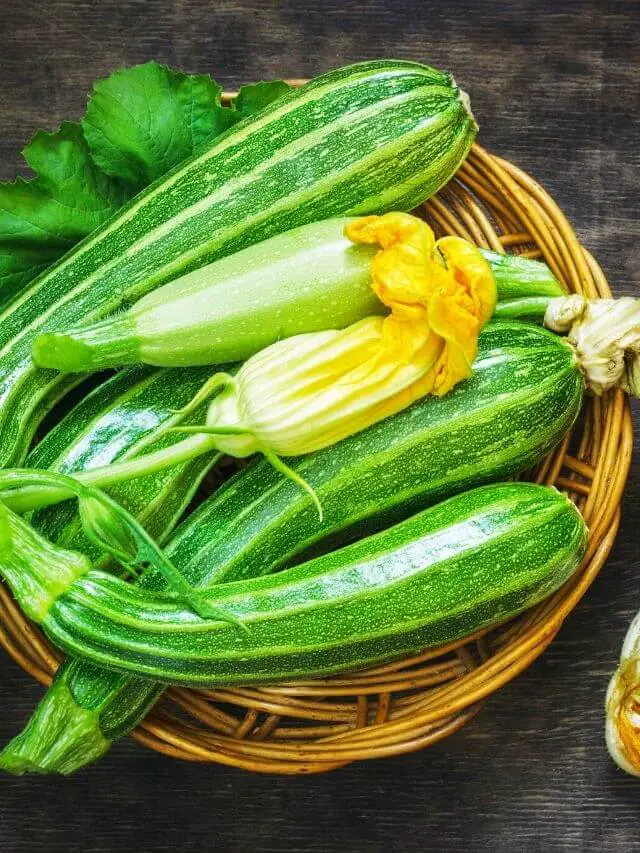
Ever watched a tiny zucchini seed transform into a sprawling plant laden with delicious, green squash? It's a gardening marvel! Growing zucchini is a rewarding experience, but understanding the different stages of its development is key to a successful harvest. Let's dive into the fascinating journey of the zucchini plant, from seed to table.
Understanding the Zucchini Plant Grow Stages
The life cycle of a zucchini plant, much like any other plant, is a fascinating journey. Understanding these stages allows you to anticipate the plant's needs and provide the best possible care. Let’s break down each phase, ensuring you know exactly what to expect and how to nurture your zucchini throughout its growth cycle. Knowing the stages of zucchini plant growth is crucial for maximizing your yield and preventing common problems.
Stage 1: Germination - The Beginning of the Zucchini Plant Journey
Germination is the initial stage where the magic begins! It's when the seed sprouts and begins to grow. This critical stage depends on a few key factors: moisture, warmth, and good soil. Zucchini seeds typically germinate quickly, usually within 5-10 days, when the soil temperature is consistently between 65°F and 75°F (18°C to 24°C). Providing consistent moisture without waterlogging is key. You can start zucchini seeds indoors a few weeks before the last expected frost or directly sow them into the garden soil once the soil has warmed up. Be sure to plant them about an inch deep and a few inches apart. If you are starting indoors, peat pots or biodegradable pots are a great option. If you don't want to disturb the roots during transplanting. It is important to keep them in a warm, bright place.
Here are some tips for successful germination:
- Use fresh seeds: Older seeds may have a lower germination rate.
- Soak the seeds (Optional): Soaking the seeds in lukewarm water for a few hours before planting can speed up germination.
- Maintain consistent moisture: Keep the soil consistently moist, but not soggy.
- Provide warmth: Use a heat mat if starting seeds indoors.
Stage 2: Seedling Stage - Tender Beginnings of Zucchini Plants
Once the seed has sprouted, it enters the seedling stage. The first signs are the appearance of cotyledons, also known as "seed leaves." These small, rounded leaves provide the initial nourishment for the young plant. Soon after, true leaves will emerge, which look like miniature versions of the mature zucchini leaves. During this stage, the seedling is still quite delicate and needs protection from harsh weather, pests, and diseases. Ensure the seedlings receive plenty of sunlight or supplemental light if grown indoors. Water regularly, allowing the soil surface to dry slightly between waterings to prevent damping off, a common fungal disease that can affect young seedlings. If the seedlings are grown indoors, start hardening them off. This means gradually exposing them to outdoor conditions for a week or so before transplanting them into the garden. This process helps them adjust to the sun, wind, and temperature fluctuations, which reduces the risk of shock when transplanted.
Important factors for the seedling stage:
- Sunlight: Seedlings need at least 6 hours of sunlight per day.
- Watering: Water regularly, but avoid overwatering.
- Protection: Protect from pests such as snails and slugs.
- Fertilizing (lightly): Use a diluted liquid fertilizer formulated for seedlings.
Stage 3: Vegetative Growth - Lush Greenery of Zucchini Development
The vegetative growth stage is characterized by rapid development of the plant's foliage. The plant focuses on growing larger leaves and stronger stems, preparing itself for flowering and fruit production. This stage requires ample sunlight, water, and nutrients. Zucchini plants are heavy feeders, so regular fertilization with a balanced fertilizer is essential. Ensure the soil is well-draining to prevent root rot. Mulching around the plant can help retain moisture, suppress weeds, and regulate soil temperature. As the plant grows, it will develop a bushy habit and can spread quite a bit. Providing enough space between plants is crucial to allow for adequate airflow and sunlight penetration. Regularly inspect the leaves for any signs of pests or diseases, and take prompt action to prevent problems from escalating.
Key aspects of vegetative growth:
- Sunlight: Zucchini needs at least 6-8 hours of direct sunlight daily.
- Watering: Water deeply when the top inch of soil feels dry.
- Fertilizing: Use a balanced fertilizer every 2-3 weeks.
- Pest Control: Monitor for pests like squash bugs and squash vine borers.
Stage 4: Flowering - The Bloom Before the Bounty
The flowering stage marks the transition to fruit production. Zucchini plants produce both male and female flowers. Male flowers appear first and are borne on long, slender stems. Female flowers have a small, immature fruit (the zucchini) at the base of the flower. Pollination is necessary for the female flowers to develop into mature zucchini. Bees and other pollinators play a crucial role in this process. If pollination is insufficient, the young zucchini will turn yellow and wither. You can also hand-pollinate the flowers by transferring pollen from the male flowers to the female flowers using a small brush or cotton swab. To hand-pollinate, gently remove a male flower (without the immature fruit at the base) and brush the pollen from the stamen onto the stigma of the female flower. The best time to do this is in the morning when the flowers are fully open and the pollen is fresh. Sometimes, blossom end rot can be a problem; this is often a sign of inconsistent watering or calcium deficiency. Regular, consistent watering is essential to prevent blossom end rot. Proper soil p H can also affect a plant's ability to take up calcium.
Consider these for a successful flowering stage:
- Attract pollinators: Plant flowers that attract bees and other pollinators.
- Watering: Maintain consistent watering to prevent blossom end rot.
- Hand-pollination (if needed): Hand-pollinate if you notice poor fruit set.
Stage 5: Fruiting - Harvesting the Rewards of Zucchini Plant Growth
After successful pollination, the female flowers will begin to develop into mature zucchini fruits. This stage is when you can begin to harvest the zucchini. The ideal harvest size depends on the variety, but generally, zucchini are best when they are 6-8 inches long. Harvesting them at this size ensures they are tender and flavorful. Regularly check your plants for mature zucchini and harvest them promptly. Leaving zucchini on the plant for too long will cause them to become oversized and less flavorful, and it can also reduce the plant's overall productivity. Use a sharp knife or garden shears to cut the zucchini from the plant, leaving a small portion of the stem attached. With consistent watering, fertilization, and pest control, zucchini plants can produce a bountiful harvest throughout the growing season.
Tips for a great zucchini harvest:
- Harvest regularly: Pick zucchini when they are 6-8 inches long.
- Use a sharp knife: Cut the zucchini from the plant carefully.
- Monitor plant health: Keep the plant healthy to ensure continued production.
To keep your zucchini plants productive throughout the season, regular maintenance is essential. Deadheading spent flowers can help redirect the plant's energy towards fruit production. Removing yellowing or damaged leaves will improve air circulation and prevent the spread of disease. Regular fertilization will provide the plant with the nutrients it needs to support continued growth and fruiting. Also, maintaining consistent watering is crucial to prevent stress and ensure a steady supply of moisture to the developing fruits. Speaking of keeping things trimmed and healthy, a pair of dependable garden shears is a must-have for any gardener. I highly recommend theFiskars Bypass Pruning Shears. These garden clippers with sharp, rust-resistant steel bladesare perfect for snipping off spent blooms, harvesting zucchini, and other general garden tasks. You can grab a pair here:https://amzn.to/4i LKbs8.