Have you ever looked at your zucchini plant, overflowing with summer squash, and wondered if you could use more than just the fruit? You might be surprised to learn that there's a lesser-known edible part: the stalk! Yes, that sturdy stem supporting your prolific zucchini can be a delicious addition to your kitchen creations, reducing waste and adding a unique flavor to your meals. Exploring the Edibility of Zucchini Plant Stalk Many gardeners are familiar with the delight of harvesting fresh zucchini, but few consider the potential of the zucchini plant stalk. Understanding the nutritional value, preparation techniques, and safety considerations surrounding zucchini stalks can unlock a whole new culinary dimension for your garden bounty. So, is the zucchini stalk edible? The short answer is yes, but with a few important caveats. We need to consider the age of the plant and potential bitterness. Mature zucchini stalks, especially those from older plants,...
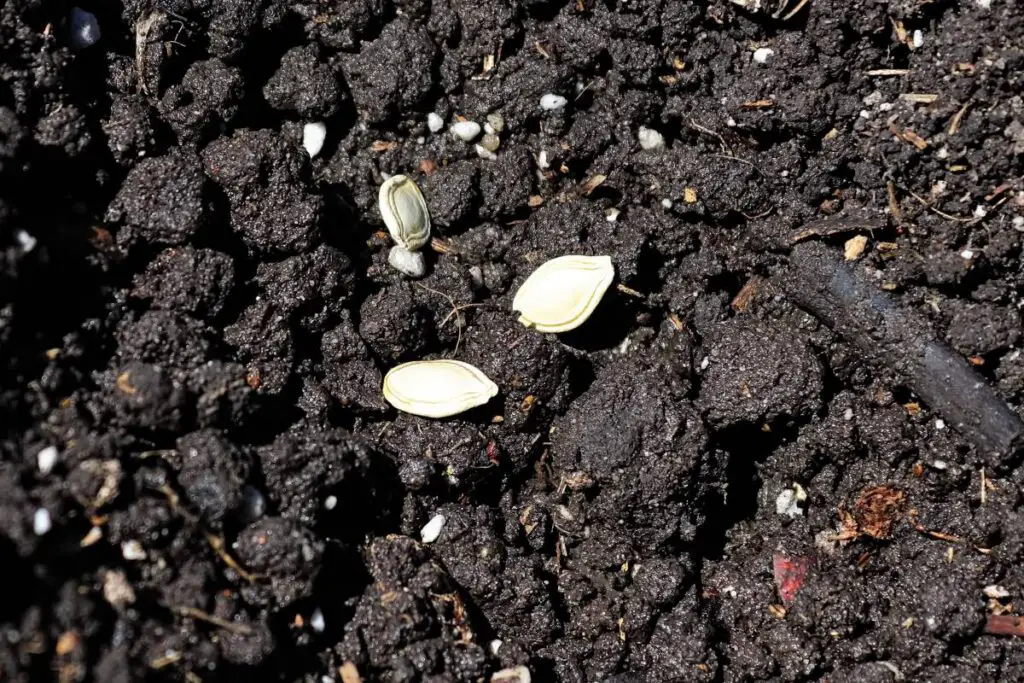
Ah, zucchini. The prolific garden vegetable that can quickly go from a few promising seedlings to an avalanche of green goodness! But before you’re overwhelmed with zucchini bread recipes, you need to get the timing right. Planting too early or too late can mean the difference between a bumper crop and a disappointing yield. Let's dive into the details of when to plant zucchini seeds for the best results.
Understanding the Zucchini Growing Season
Before we discuss the ideal timing for planting zucchini seeds, it's crucial to understand the factors influencing its growth. Zucchini, a type of summer squash, is awarm-season crop, meaning it thrives in warm soil and air temperatures. It is very sensitive to frost, and even a light frost can damage or kill young plants. Therefore, timing is crucial. To figure out the best time for planting zucchini, consider these key factors:
- Soil Temperature: Zucchini seeds germinate best when the soil temperature is consistently above 60°F (16°C). An ideal temperature range for germination is 65°F to 75°F (18°C to 24°C).
- Air Temperature: Similarly, air temperatures should be consistently warm, with daytime temperatures ideally between 70°F and 85°F (21°C to 29°C). Avoid planting if there's a risk of frost or prolonged periods of cold weather.
- Last Frost Date: Knowing your area's average last frost date is essential. This date represents the historical average of the last time frost is likely to occur in the spring.
You can find your local average last frost date from your local extension office or online resources. Understanding these factors sets the foundation for determiningwhen the perfect time is to plant zucchini seeds in your region.
When to Plant Zucchini Seeds: A Regional Guide
The optimal time for planting zucchini seeds varies considerably depending on your geographical location and the climate you experience. Here's a regional breakdown to help you determine the best planting window:
Cool Climates (Short Growing Seasons)
If you live in a region with a short growing season, such as the northern parts of the US or Canada, you'll need to start your zucchini seeds indoors about 2-4 weeks before your last expected frost. This gives the plants a head start. Once the danger of frost has passed and the soil has warmed up, carefully transplant the seedlings outdoors. A good rule of thumb is toplant zucchini seeds after the last frost date. You can also use row covers to help protect young plants from late frosts and keep the soil warmer. Here’s a quick rundown:
- Starting Indoors: 2-4 weeks before last frost.
- Transplanting Outdoors: After last frost, when soil temperature is consistently above 60°F (16°C).
Temperate Climates (Moderate Growing Seasons)
In temperate climates, you have more flexibility in terms ofwhen you should plant your zucchini seeds. You can either direct sow the seeds into the ground after the last frost, or you can start them indoors a couple of weeks earlier for a head start. The key is to wait until the soil has warmed up sufficiently. You can use a soil thermometer to check the temperature. Mulching around the plants can also help to retain soil warmth and moisture. Generally, waiting until two weeks after the last expected frost to plant zucchini seeds*is a safe bet in these climates.
Warm Climates (Long Growing Seasons)
If you're fortunate enough to live in a warm climate with a long growing season, you can directly sow zucchini seeds into the ground after the last frost. You can even plant a second crop later in the summer for a fall harvest. Just be sure to provide adequate water, especially during hot, dry periods. In very hot climates, providing some afternoon shade can help prevent the plants from getting stressed. Direct sowing in these areas is very feasible; just ensure the soil temperature is optimal beforeplanting zucchini seeds.
Direct Sowing vs. Starting Seeds Indoors
There are two main methods for planting zucchini seeds:direct sowing and starting seeds indoors. Each method has its pros and cons.
Direct Sowing
Direct sowing involves planting the seeds directly into the garden soil. This method is simple and avoids the need for transplanting, which can sometimes shock young plants. However, it's only suitable when the soil has warmed up sufficiently and there's no risk of frost. To direct sow zucchini seeds, follow these steps:
- Prepare the soil by loosening it and adding compost or other organic matter.
- Sow the seeds about 1 inch deep and 2-3 feet apart.
- Water gently but thoroughly.
- Keep the soil moist until the seeds germinate, which usually takes 5-10 days.
A great advantage of direct sowing is that it eliminates the risk of transplant shock. However, your young plants will be more vulnerable to pests and diseases in their early stages. Therefore, monitoring your plants regularly and taking action quickly if you see any problems is essential. Direct sowing provides a no-fuss way forplanting zucchini seeds effectively.
Starting Seeds Indoors
Starting seeds indoors allows you to get a head start on the growing season, especially in cooler climates. It also gives you more control over the growing environment and protects the seedlings from pests and diseases. To start zucchini seeds indoors, follow these steps:
- Sow the seeds in small pots or trays filled with seed-starting mix.
- Keep the soil moist and warm (around 70°F or 21°C).
- Provide plenty of light, either from a sunny window or a grow light.
- Harden off the seedlings by gradually exposing them to outdoor conditions for a week before transplanting.
When transplanting, be careful not to damage the roots. Dig a hole slightly larger than the root ball, place the seedling in the hole, and backfill with soil. Water thoroughly. While this method gives you a head start, transplanting requires a delicate touch and can sometimes set the plants back slightly. Choosing between starting indoors or direct sowing largely depends on your climate and personal preference, and both helpwhen planting zucchini seeds.
Tips for Successful Zucchini Planting
Here are a few extra tips to help you grow a bountiful crop of zucchini:
- Choose the Right Variety: Select a zucchini variety that is well-suited to your climate and growing conditions. Some varieties are more resistant to pests and diseases than others.
- Prepare the Soil: Zucchini plants need well-drained soil that is rich in organic matter. Amend the soil with compost or aged manure before planting.
- Water Regularly: Zucchini plants need consistent moisture, especially during fruit development. Water deeply and regularly, but avoid overwatering.
- Fertilize: Feed your zucchini plants with a balanced fertilizer every few weeks.
- Watch for Pests and Diseases: Keep an eye out for common zucchini pests and diseases, such as squash bugs, squash vine borers, and powdery mildew. Take action quickly to control any problems.
- Harvest Regularly: Harvest zucchini fruits when they are young and tender, about 6-8 inches long. Regular harvesting encourages the plant to produce more fruit.
By following these tips, you can increase your chances of enjoying a plentiful harvest of delicious zucchini. Remember that proper preparation and diligent care are just as crucial as the correct timing for planting. Ensure the soil is well-prepared, the plants receive sufficient water and nutrients, and are protected from pests and diseases.
Troubleshooting Common Zucchini Planting Problems
Even with the best planning, sometimes things don't go as expected. Here are some common problems you might encounter when planting zucchini and how to address them:
- Poor Germination: If your zucchini seeds don't germinate, it could be due to cold soil, poor-quality seeds, or overwatering. Make sure the soil is warm enough and use fresh, high-quality seeds. Avoid overwatering, which can cause the seeds to rot.
- Slow Growth: If your zucchini plants are growing slowly, they may not be getting enough sunlight, water, or nutrients. Ensure they are in a sunny location and provide regular watering and fertilization.
- Yellowing Leaves: Yellowing leaves can be a sign of nutrient deficiencies, pests, or diseases. Check the plants for pests and diseases and treat accordingly. Fertilize with a balanced fertilizer to address nutrient deficiencies.
- Lack of Fruit Production: If your zucchini plants are not producing fruit, it could be due to poor pollination, inadequate watering, or stress. Ensure there are pollinators in your garden, water deeply and regularly, and protect the plants from extreme temperatures.
Addressing these issues promptly can help ensure that your zucchini plants thrive and produce a bountiful harvest. Regular observation and quick action are crucial for overcoming these challenges. Being proactive and informed can mitigate potential problems and ensure a more successful growing season for your zucchini.
To keep your zucchini plants healthy and productive throughout the season, remember to equip yourself with the right tools. Maintaining clean and precise cuts is key for pruning and harvesting. Consider using Fiskars Bypass Pruning Shears, a garden clipper with sharp, rust-resistant steel blades, to ensure healthy cuts on your zucchini plants. Get yours today at https://amzn.to/4i LKbs8.