Have you ever looked at your zucchini plant, overflowing with summer squash, and wondered if you could use more than just the fruit? You might be surprised to learn that there's a lesser-known edible part: the stalk! Yes, that sturdy stem supporting your prolific zucchini can be a delicious addition to your kitchen creations, reducing waste and adding a unique flavor to your meals. Exploring the Edibility of Zucchini Plant Stalk Many gardeners are familiar with the delight of harvesting fresh zucchini, but few consider the potential of the zucchini plant stalk. Understanding the nutritional value, preparation techniques, and safety considerations surrounding zucchini stalks can unlock a whole new culinary dimension for your garden bounty. So, is the zucchini stalk edible? The short answer is yes, but with a few important caveats. We need to consider the age of the plant and potential bitterness. Mature zucchini stalks, especially those from older plants,...
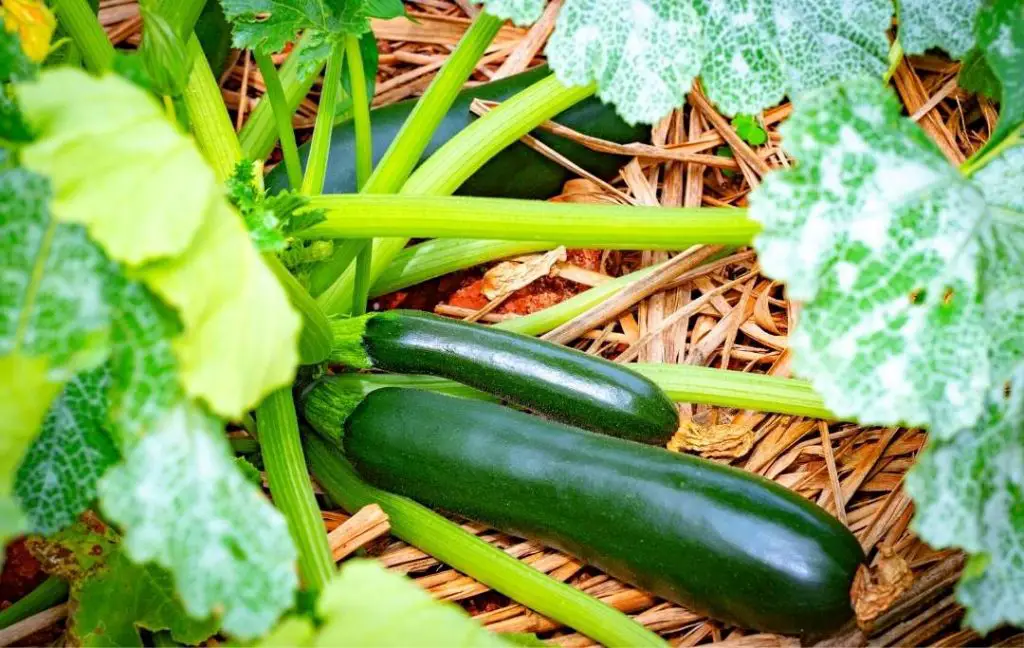
Ever wondered what that sprawling, leafy beast in your neighbor's garden is? Or perhaps you're planning your own vegetable patch and want to be sure you can identify your prized zucchini plants. The world of gardening can seem overwhelming, but don't worry, distinguishing a zucchini plant is easier than you think! This guide will walk you through all the visual cues, from the seeds to the mature fruit, helping you confidently identify a zucchini plant at any stage of its growth.
What Does a Zucchini Plant Look Like? A Comprehensive Guide
Understanding the appearance of a zucchini plant involves observing several key features: its leaves, stems, flowers, and of course, the zucchini fruit itself. These characteristics evolve as the plant grows, making it possible to identify it at different stages of development. When observing a zucchini plant, note the overall size and shape. Zucchini plants tend to be bushy, rather than vining like some other squash varieties.
Identifying Zucchini Plant Leaves
The leaves of a zucchini plant are one of its most distinctive features. They are generally large, ranging from 1 to 2 feet in diameter, and are typically a deep green color. The leaf shape is also quite unique, being broadly lobed or heart-shaped with serrated (toothed) edges. The leaves have a slightly rough, almost prickly texture due to tiny hairs on their surface. These hairs help to deter some pests, but can be slightly irritating to the skin, so wear gloves when handling the plant for extended periods.
The leaf veins are also prominent, creating a textured appearance on the leaf surface. These veins radiate outwards from the point where the leaf attaches to the stem. In terms of arrangement, zucchini plant leaves grow alternately along the stem, meaning that each leaf sprouts from a different point on the stem rather than in pairs.
Leaf Color Variations and Potential Issues
While healthy zucchini leaves are usually a vibrant green, changes in color can indicate problems. Yellowing leaves may suggest nutrient deficiencies (such as magnesium or nitrogen), overwatering, or the presence of pests or diseases. White spots on the leaves could be a sign of powdery mildew, a common fungal disease that affects squash plants. Brown or wilted leaves could indicate underwatering or root rot. Regular observation of the leaf color and overall health is crucial for early detection and treatment of potential issues. Sometimes this is because thegardening scissors you're using aren't clean, so make sure to wipe them down. It might be time for a fresh pair of garden clippers, like the Fiskars Bypass Pruning Shears, 5/8-Inch Cut Capacity Garden Clippers, Gardening Scissors with Sharp, Rust Resistant Steel Blade; check it out here: https://amzn.to/4i LKbs8.
Examining Zucchini Plant Stems
The stems of zucchini plants are sturdy and thick, providing support for the large leaves and heavy fruit. They are typically round and slightly hairy. The color is usually a shade of green, similar to the leaves. Unlike some vining squash varieties, zucchini plants have a more compact, bushy growth habit, with stems that are relatively short and do not spread far along the ground. The stems emerge directly from the base of the plant and support the foliage and developing zucchini.
Stem Issues and Considerations
Just like the leaves, the stems can provide clues about the health of the plant. Soft, mushy stems may indicate stem rot, a fungal disease that can be fatal to the plant. Damage to the stems, such as splits or breaks, can be caused by strong winds or pests like squash vine borers. It's important to regularly inspect the stems for any signs of damage or disease and take appropriate action to prevent further problems. For example, you may need to prune off damaged portions of the stem using clean, sharp pruning shears.
Recognizing Zucchini Plant Flowers
Zucchini plants produce large, bright yellow flowers. These flowers are essential for fruit production, as they are responsible for pollination. The plants produce both male and female flowers. Male flowers tend to have long, slender stems, while female flowers have shorter stems and a small, immature zucchini fruit at the base. Both types of flowers are edible and can be used in culinary dishes, such as fried squash blossoms.
Pollination and Flower Development
Pollination is crucial for zucchini plants to produce fruit. Bees and other pollinators play a vital role in transferring pollen from the male flowers to the female flowers. If pollination is insufficient, the zucchini fruit may fail to develop or may become misshapen. In some cases, hand-pollination may be necessary, especially in areas with low pollinator activity. This involves using a small brush to transfer pollen from the male flowers to the female flowers. After successful pollination, the female flower will begin to swell, and the small zucchini fruit at its base will start to grow rapidly. It will usually be ready for harvesting in about 45 to 55 days.
Identifying the Zucchini Fruit
Of course, the most obvious way to identify a zucchini plant is by its fruit. Zucchinis are elongated, cylindrical squash that typically range from 6 to 10 inches in length when harvested, though they can grow much larger if left on the plant. The skin is usually smooth and thin, and the color can vary depending on the variety. Common zucchini colors include dark green, light green, and yellow. Some varieties may also have striped or mottled skin.
Zucchini Varieties and Color Differences
There are many different varieties of zucchini, each with its unique characteristics. Some popular varieties include Black Beauty (dark green), Gold Rush (yellow), and Costata Romanesco (light green with ridges). These different varieties offer a range of colors, shapes, and flavors, allowing gardeners to choose the zucchini that best suits their preferences. No matter the variety, the basic shape and texture of the zucchini fruit remain consistent.
Below is a list of just some of the varieties of zucchini:
- Black Beauty
- Costata Romanesco
- Gold Rush
- Eight Ball
- Astia
Common Problems for Zucchini Plants
Zucchini plants are prone to some common issues, including squash vine borers, squash bugs, powdery mildew, and blossom end rot. Squash vine borers are pests that burrow into the stems of the plant, causing it to wilt and die. Squash bugs are sap-sucking insects that can weaken the plant and transmit diseases. Powdery mildew is a fungal disease that causes white spots to appear on the leaves. Blossom end rot is a condition caused by calcium deficiency that results in the end of the zucchini becoming dark and rotten. Regular monitoring of the plant and prompt treatment of any problems is essential for maintaining a healthy zucchini plant. You can use various methods, such as organic pesticides, crop rotation, and proper watering techniques, to manage these issues.