Have you ever looked at your zucchini plant, overflowing with summer squash, and wondered if you could use more than just the fruit? You might be surprised to learn that there's a lesser-known edible part: the stalk! Yes, that sturdy stem supporting your prolific zucchini can be a delicious addition to your kitchen creations, reducing waste and adding a unique flavor to your meals. Exploring the Edibility of Zucchini Plant Stalk Many gardeners are familiar with the delight of harvesting fresh zucchini, but few consider the potential of the zucchini plant stalk. Understanding the nutritional value, preparation techniques, and safety considerations surrounding zucchini stalks can unlock a whole new culinary dimension for your garden bounty. So, is the zucchini stalk edible? The short answer is yes, but with a few important caveats. We need to consider the age of the plant and potential bitterness. Mature zucchini stalks, especially those from older plants,...
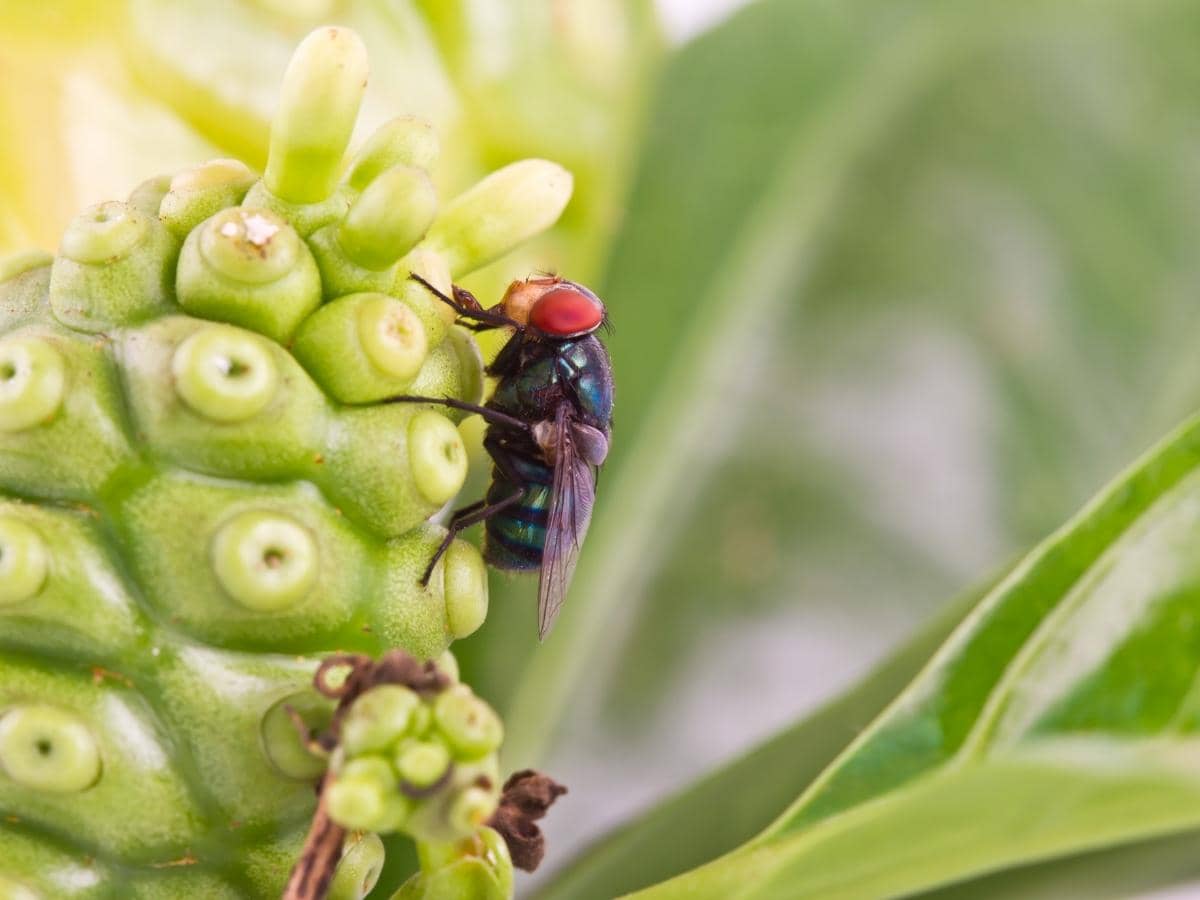
Seeing your zucchini plants thrive, bursting with potential for summer squash galore, is a gardener's dream. But what happens when those lush green leaves start to look a little…off? What if you notice tiny holes, wilting sections, or even the unmistakable presence of flies buzzing around your precious plants? The culprit might be closer than you think, and understanding who's feasting on your zucchini is the first step to reclaiming your harvest.
Understanding What Eats Your Zucchini Plants
Before we dive into the specifics of flies, let's broadly consider the threats to your zucchini plants. Zucchini, like all garden vegetables, are susceptible to a range of pests and diseases. Identifying the actual cause of the damage is crucial before employing any control measures. Remember, not all insects are harmful; many are beneficial and play a vital role in a healthy garden ecosystem.
Common Pests that Target Zucchini Plants
Several insect species can wreak havoc on zucchini plants. Knowing their characteristics and the type of damage they inflict is key to accurate identification and effective management. Let's explore some common offenders:
Squash Bugs: The Sap-Sucking Scourge
Squash bugs are among the most devastating pests of zucchini and other cucurbits. These brownish-black, shield-shaped insects feed on plant sap, causing wilting, yellowing, and ultimately, plant death. Both adults and nymphs (immature squash bugs) are damaging. They typically cluster on stems and under leaves, making them difficult to spot. Eggs are laid in clusters on the undersides of leaves, appearing as shiny, bronze-colored specks.
- Damage: Wilting leaves, yellowing, stunted growth, plant death.
- Identification: Brownish-black, shield-shaped bugs; bronze-colored eggs on leaf undersides.
- Control: Hand-picking, insecticidal soap, row covers.
Squash Vine Borers: Insidious Internal Eaters
Squash vine borers are moth larvae that tunnel into the stems of zucchini plants, disrupting water and nutrient flow. The adult moths are day-flying and resemble wasps, making them easily mistaken for something harmless. They lay their eggs near the base of the plant, and the larvae quickly bore into the stem. The first sign of infestation is often sudden wilting of the entire plant, despite adequate watering. You may also see frass (larval excrement) near the entry holes.
- Damage: Sudden wilting, frass near stem base.
- Identification: Wasplike moths; entry holes in stems.
- Control: Stem surgery (carefully slitting the stem to remove the borer), row covers, Bacillus thuringiensis (Bt) injections.
Aphids: Tiny Sap-Suckers, Big Problems
Aphids are small, soft-bodied insects that feed on plant sap. They come in various colors, including green, yellow, and black. Aphids often congregate in large numbers on new growth, causing distorted leaves, stunted growth, and the secretion of honeydew, a sticky substance that attracts ants and can lead to sooty mold growth.
- Damage: Distorted leaves, stunted growth, honeydew secretion.
- Identification: Small, soft-bodied insects; often clustered on new growth.
- Control: Insecticidal soap, horticultural oil, strong spray of water, beneficial insects (ladybugs, lacewings).
Cucumber Beetles: A Double Threat
Cucumber beetles are small, striped or spotted beetles that feed on foliage, flowers, and fruits. They can also transmit bacterial wilt and squash mosaic virus, which can devastate zucchini plants. There are two main types: striped cucumber beetles and spotted cucumber beetles. The larvae feed on roots, further weakening the plant.
- Damage: Foliage damage, transmission of diseases.
- Identification: Small, striped or spotted beetles.
- Control: Row covers, insecticidal soap, neem oil, pyrethrin-based insecticides.
What About Flies? Do Flies Eat Zucchini Plants?
While adult flies themselves typically aren't directlyeatingthe zucchini plant in the same way that beetles or caterpillars do, their presence can indicate problems and contribute to the plant's decline. It's more about the association than the direct consumption of plant material. Here's how flies become involved:
Fungus Gnats: A Sign of Overwatering
Fungus gnats are small, dark, mosquito-like flies that are often seen buzzing around the soil surface, especially in overly moist conditions. They themselves don't eat the plant leaves, but their larvae feed on decaying organic matter and fungi in the soil. While they typically don't directly damage healthy zucchini roots, heavy infestations can weaken seedlings or plants already stressed by other factors. The presence of fungus gnats is a strong indicator that you are overwatering your zucchini plants, which can lead to root rot and other fungal diseases. Healthy soil should drain well, preventing these flies from thriving.
- Association with Zucchini Plants: Indicate overwatering and potential root rot.
- Damage: Larvae may feed on decaying matter and fungi, potentially weakening seedlings.
- Control: Allow soil to dry between waterings, use yellow sticky traps, apply Bacillus thuringiensis israelensis (Bti) to the soil.
Fruit Flies (Drosophila): A Signal of Rotting Zucchini
Fruit flies are attracted to ripe, overripe, or rotting fruits and vegetables. If you see fruit flies around your zucchini plants, it usually means there's a zucchini fruit that's starting to rot or is already damaged. This could be due to blossom end rot, pest damage, or a physical injury to the fruit. Fruit flies aren't directly attacking the healthy plant, but they are taking advantage of a compromised fruit. Their presence is a signal to remove the damaged zucchini to prevent further spread of rot and to avoid attracting more pests.
- Association with Zucchini Plants: Indicate rotting zucchini fruit.
- Damage: None directly to the healthy plant, but a sign of existing problems.
- Control: Remove rotting fruit, address underlying causes of fruit damage (e.g., blossom end rot, pest damage).
Other Flies and Decaying Matter
Certain types of flies are attracted to decaying organic matter. If your zucchini plant has damaged leaves or stems, or if there's mulch that's breaking down excessively, these flies may be attracted. While they're not directly eating the zucchini leaves, their presence indicates that something isn't quite right. It might be a sign of a fungal disease, insect damage, or simply the natural decomposition of plant material. Addressing the underlying issue is key.
Preventing Fly Problems on Your Zucchini Plants
The best way to manage flies and other pests on your zucchini plants is through preventative measures. Creating a healthy growing environment is crucial. Here are some tips:
- Healthy Soil: Ensure your soil is well-draining and rich in organic matter.
- Proper Watering: Avoid overwatering, which can lead to fungal diseases and attract fungus gnats. Water at the base of the plant, rather than overhead.
- Good Air Circulation: Space plants adequately to promote good air circulation, reducing the risk of fungal diseases.
- Regular Inspection: Regularly inspect your plants for signs of pests or diseases. The sooner you identify a problem, the easier it will be to manage.
- Remove Debris: Remove any decaying leaves, fruit, or other debris from around your plants.
- Crop Rotation: Rotate your crops each year to prevent the buildup of soilborne pests and diseases.
- Use Row Covers: Use row covers to protect your plants from pests, especially during the early stages of growth.
Identifying Damage and Taking Action
Accurate identification is crucial for effective pest management. Look closely at the type of damage, the insects present, and the overall health of your plant. Use online resources, field guides, or consult with your local extension office to identify the specific pest or disease affecting your zucchini plants.
Once you've identified the problem, choose the most appropriate control measures. Start with the least toxic options, such as hand-picking pests, using insecticidal soap, or applying neem oil. If these methods are not effective, you may need to consider using a stronger insecticide, but always follow the instructions carefully and use it as a last resort.
Speaking of tools that can help with maintaining a healthy garden, consider adding a quality pair of pruning shears to your gardening arsenal. The Fiskars Bypass Pruning Shears, a garden clipper known for their sharp and rust-resistant steel blade, can help you quickly remove damaged leaves or stems, preventing the spread of disease. Check them out here: https://amzn.to/4i LKbs8.
Conclusion
While flies themselves may not be directly eating your zucchini plants, their presence can be a valuable clue to underlying problems. By understanding the relationship between flies and your zucchini, you can take proactive steps to prevent pest infestations, manage diseases, and ensure a bountiful harvest. Remember, a healthy garden is a resilient garden!